A Country With No Shortage of Sea, 2,000 Kilometres From It: How Inland China Farms Seafood
Baidu's trending board is asking how a country manages to produce seafood from places as far from the ocean as it is possible to be. The answer - desert-edge prawn ponds in Xinjiang, salmon in the Tianshan foothills, shrimp in Shaanxi salt lakes - says a lot about China's food security instincts.
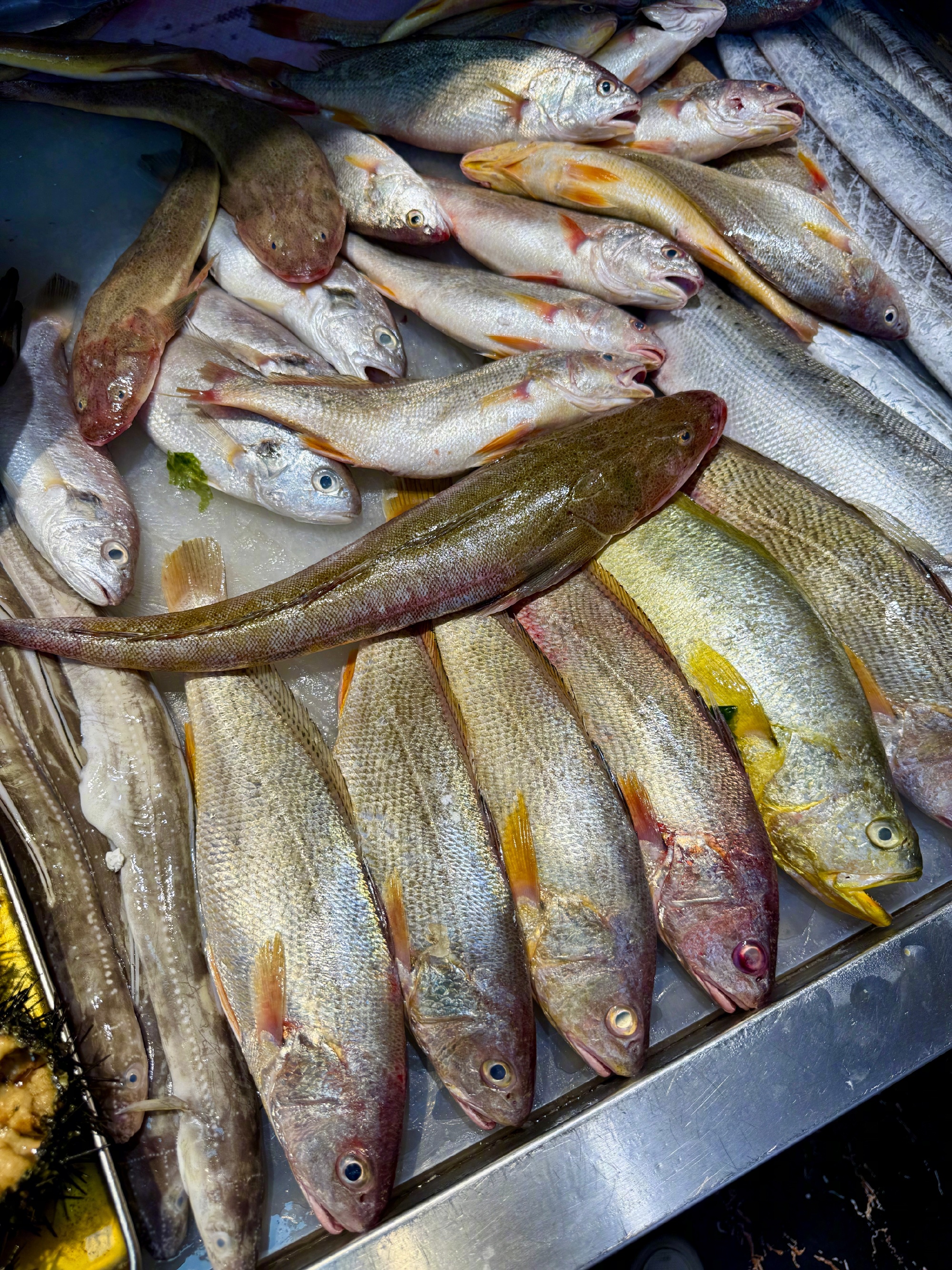
The question trending on Baidu this week sounds like a riddle: 没有海却出海鲜 — "no sea, yet it produces seafood — how do the Chinese manage it?" The answers are not a joke. In Xinjiang, in the Tarim Basin's desert edge and the foothills of the Tianshan, commercial operations are raising salmon and South American white shrimp in water that began as desert salt-alkali, thousands of kilometres from the nearest coast.
The scale is real. Nilka county, in the Tianshan's interior, has become Xinjiang's largest salmon-farming base, reaching a 3,000-tonne annual output that ships to Shanghai and Dalian — as provincial media have documented — with the catch sold fresh into markets better known for their own coastlines. In Shaanxi's Dingbian county, fourteen natural salt lakes have been turned to shrimp: the first phase of the white-leg shrimp project covers 8,600 square metres, produces 200,000 jin a year, and generates about 2.7 million yuan in annual output with thirty jobs attached.
The trick, in the trending explainer, is that the water was already there — just unusable. On heavily compacted saline-alkali land at the desert's edge, farmers pump the salt-laden runoff that drainage flushes from reclaimed fields into ponds, and rear shrimp strains acclimatised to it. The arrangement improves the land while it produces protein: the shrimp absorb calcium, magnesium and other salts as they grow, and their waste returns to the soil, gradually lowering its alkalinity. Aquaculture as soil remediation is the detail that has travelled furthest in the discussion — an economy stacked on a problem.
The phenomenon has an inland constituency with opinions of its own. China's food bloggers have taken up the question of what "seafood" even means once it comes from a pond a continent away from the sea: one widely shared take argues that inland diners should stop demanding live seafood altogether, since anything held days in a holding tank of artificial seawater loses its sweetness — flash-frozen at sea beats barely alive, and cold-chain logistics have made that a practical choice rather than a compromise.
Underneath the trend sits the obvious point, which is food security. China imports a large share of the seafood it eats, and its coastal waters face their own pressures; teaching alkaline wasteland in Xinjiang and Shaanxi to produce shrimp and salmon converts land nobody wanted into a hedge. The riddle's answer, in other words, is not that the sea is unnecessary — it is that a country which has experienced scarcity plans as if it might be.