The iPhone Feature Chinese Gossip Fans Can't Wait to Use: Photos That Can't Be Dismissed as AI
A meme about which 'sister-in-law' will first use the iPhone 18's new photo-provenance feature has become the week's sharpest tech joke in China: cryptographic proof that a photo is real, arriving in the exact culture where celebrity teams dismiss inconvenient photos as AI fakes.
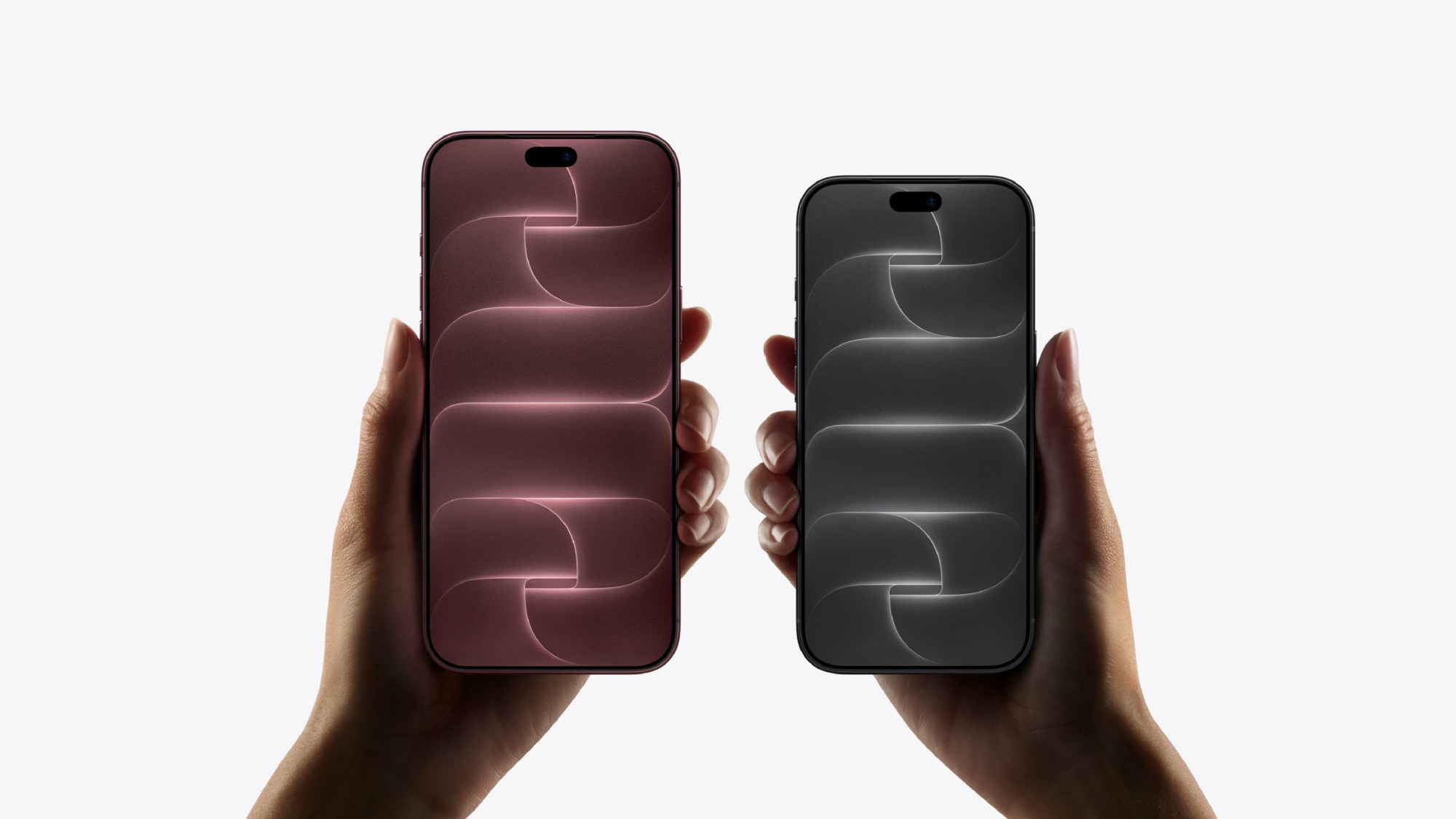
Within hours of Apple's September 10 event — where the company shipped its first foldable and the iPhone 18 line (our launch coverage) — Chinese social media had already found a use for one of the least-hyped software features. The meme spreading under the hashtag "Which sister-in-law will be the first to use the iPhone's new feature?" (哪位嫂子会用上iPhone的新功能) is, at heart, an argument about evidence.
"Sister-in-law" (嫂子) is fan-community slang for a woman romantically linked to a male celebrity — a relationship the fans usually learn about from a leaked photo, not an announcement. The new Apple feature, dubbed by the meme "Reference Image" authentication, attaches a provenance credential to photos taken on the device: proof, cryptographically speaking, that the picture is an unaltered original from a real camera. To gossipers, that is not a photography tool. It is a weapon.
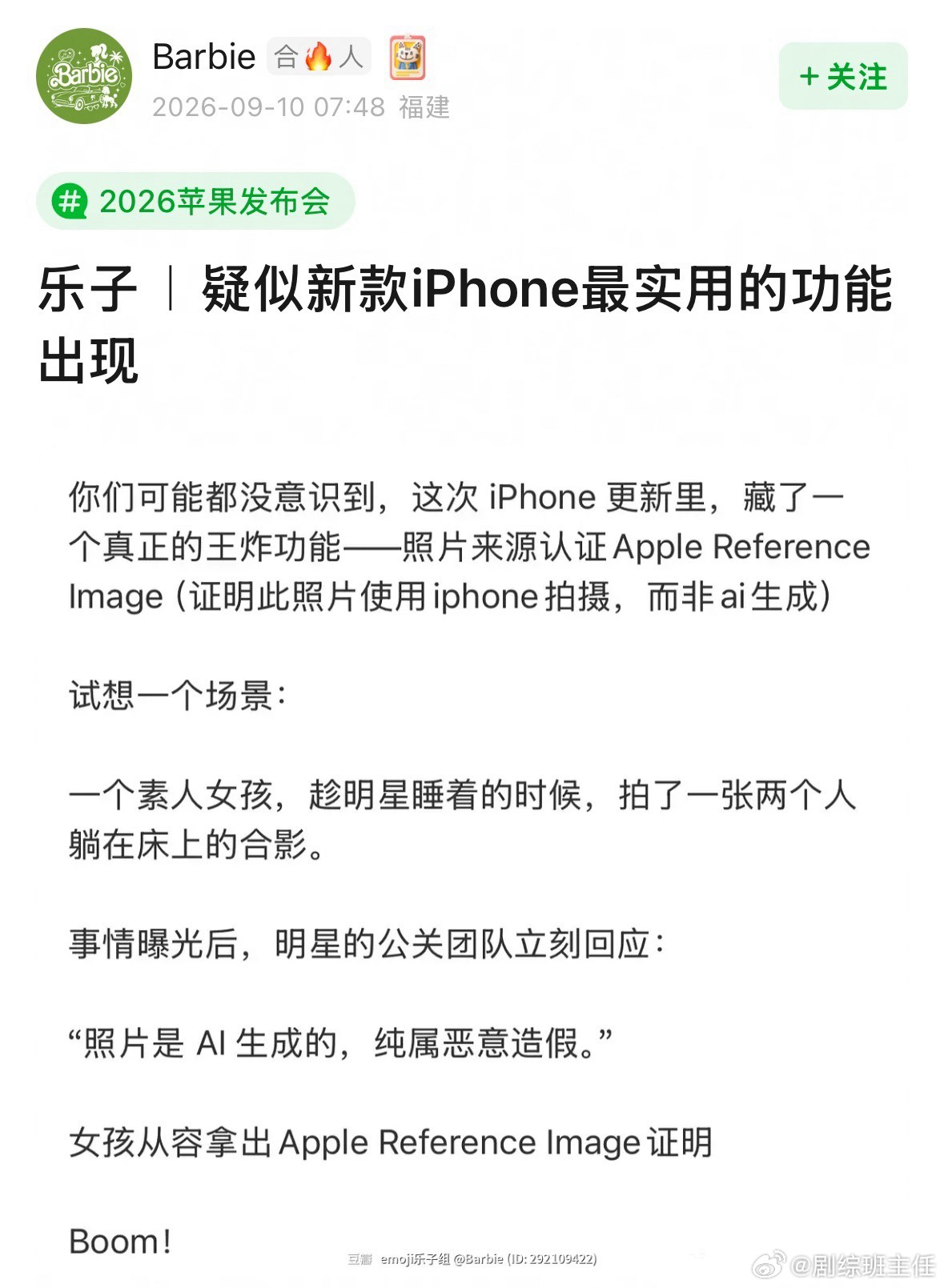
The scenario the internet is rehearsing: a rumored couple is photographed together at a private dinner; the star's team responds, as teams now reliably do, that the photo is AI-generated; except this time the picture carries a verifiable original capture credential, and the denial collapses. "In the past, when a star's relationship was exposed, the team's first move was always to blame AI — now Apple has effectively issued ID cards for photos," explained one breakdown of the meme that drew thousands of likes (the post is here). The joke's origin post was liked more than 30,000 times in a day.
The meme has legs because the denial it targets is real. Just this month an actress's AI double starred in a zombie film with her blessing, while her lawyers warned impersonators — the moment deepfake defenses became standard star-team boilerplate (our coverage). A widely mocked recent case even involved a tourist who claimed an unflattering viral photo of himself must be AI-generated. Cryptographic provenance, Chinese posters have grasped, cuts both ways: it protects stars from fakes, and pins down stars who used to dismiss genuine photos as fake.
Whether it works is another matter. A metadata credential is only as strong as the willingness of platforms, courts and PR departments to treat it as evidence, and celebrity denials in China are rarely tested that far. But as one poster put it, the feature amounts to issuing ID cards to photographs — and the people most eager to see them checked are the fans.