Japan Ends China's 36-Year Reign in Asian Games Men's Table Tennis
On the same night in Nagoya, Japan's men beat China 3-2 for their first Asian Games table tennis team gold in 60 years, while China's women swept the same opponent 3-0 for a sixth straight title.
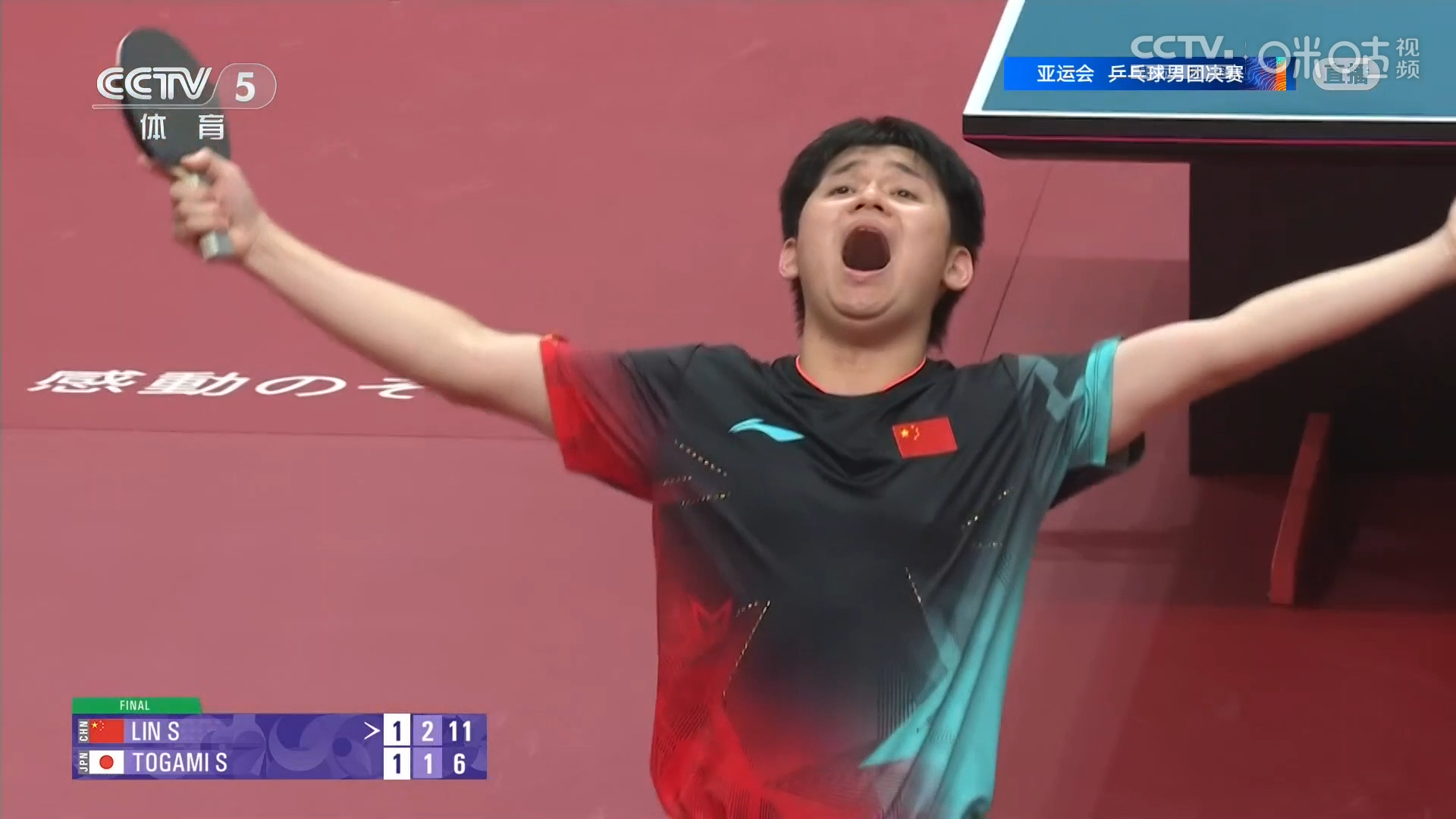
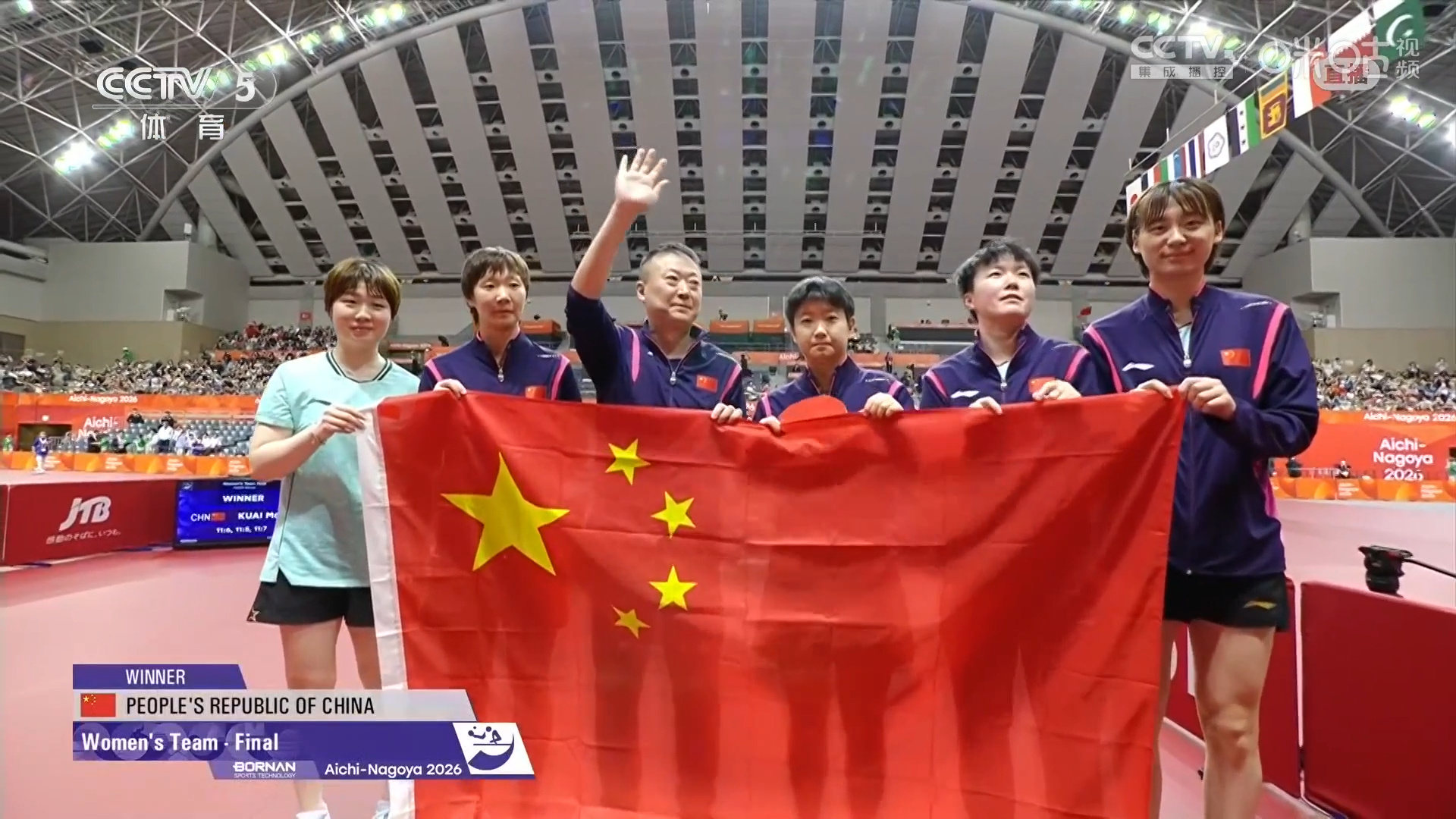
China's table tennis teams walked into the same Nagoya arena a few hours apart on Thursday night and walked out with opposite endings. The men lost 2-3 to Japan in the Asian Games team final — their first defeat in the event since the 1990 Beijing Asian Games, and Japan's first men's team title in 60 years. A few hours later, the women beat the same opponent 3-0 without losing a rubber, taking a sixth consecutive team crown.
The men's final turned on a gamble. Since the lineup was announced, Chinese fans had debated it as "Tian Ji's horse racing" (田忌赛马) — the ancient stratagem of conceding one contest to engineer favourable matchups — after Lin Shidong was moved down to third singles and the less experienced Wen Ruibo was slotted second to attack Tomokazu Harimoto. The plan asked everything of Wang Chuqin, the top singles player, who was expected to bank two points. He nearly did: after dropping the first two games to Matsushima Sora, he clawed back three straight to level the tie, and Lin Shidong put China ahead 2-1. But Harimoto then beat Wang 3-0, and Wen lost the decider to Matsushima. It was a bitter stretch for a squad whose time in Nagoya had already been complicated by the Games' hotel chaos, and by Lin Shidong's shock earlier loss to a Thai 16-year-old.
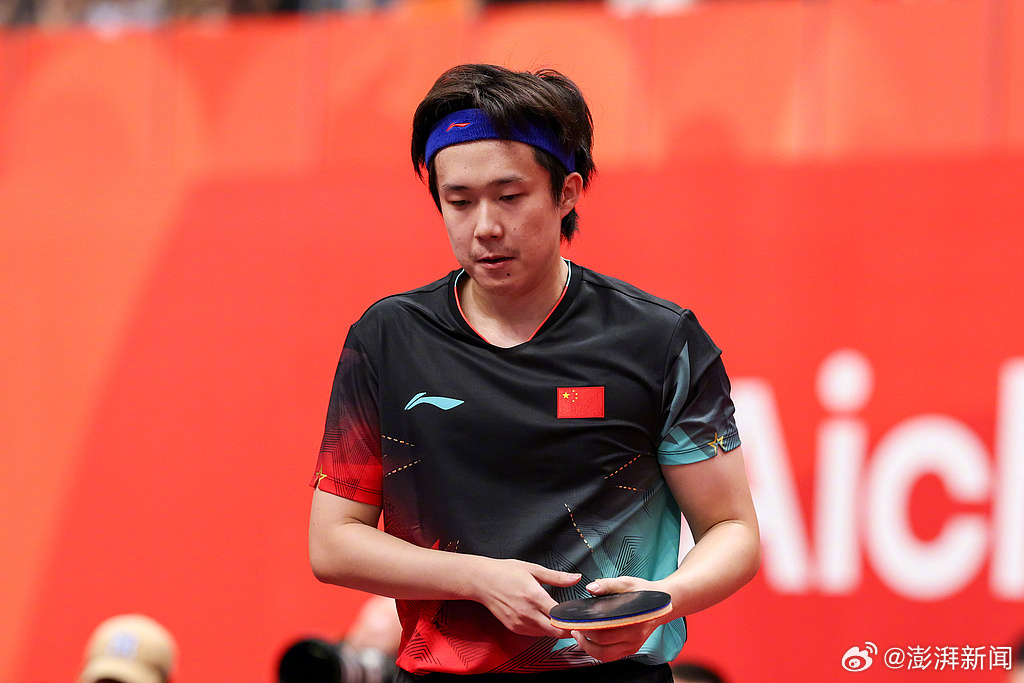
Asked about the selection, Wang declined to second-guess it. "This was the coach's decision," he said. "We athletes are just the ones who execute it — better not to speculate about the coach's intentions." Deng Yaping, the Olympic champion turned commentator, defended the gamble in a widely shared post: the lineup "left almost no margin for error on Wang Chuqin", she wrote, but "losing is normal" — the job now was to put it aside before the individual events.
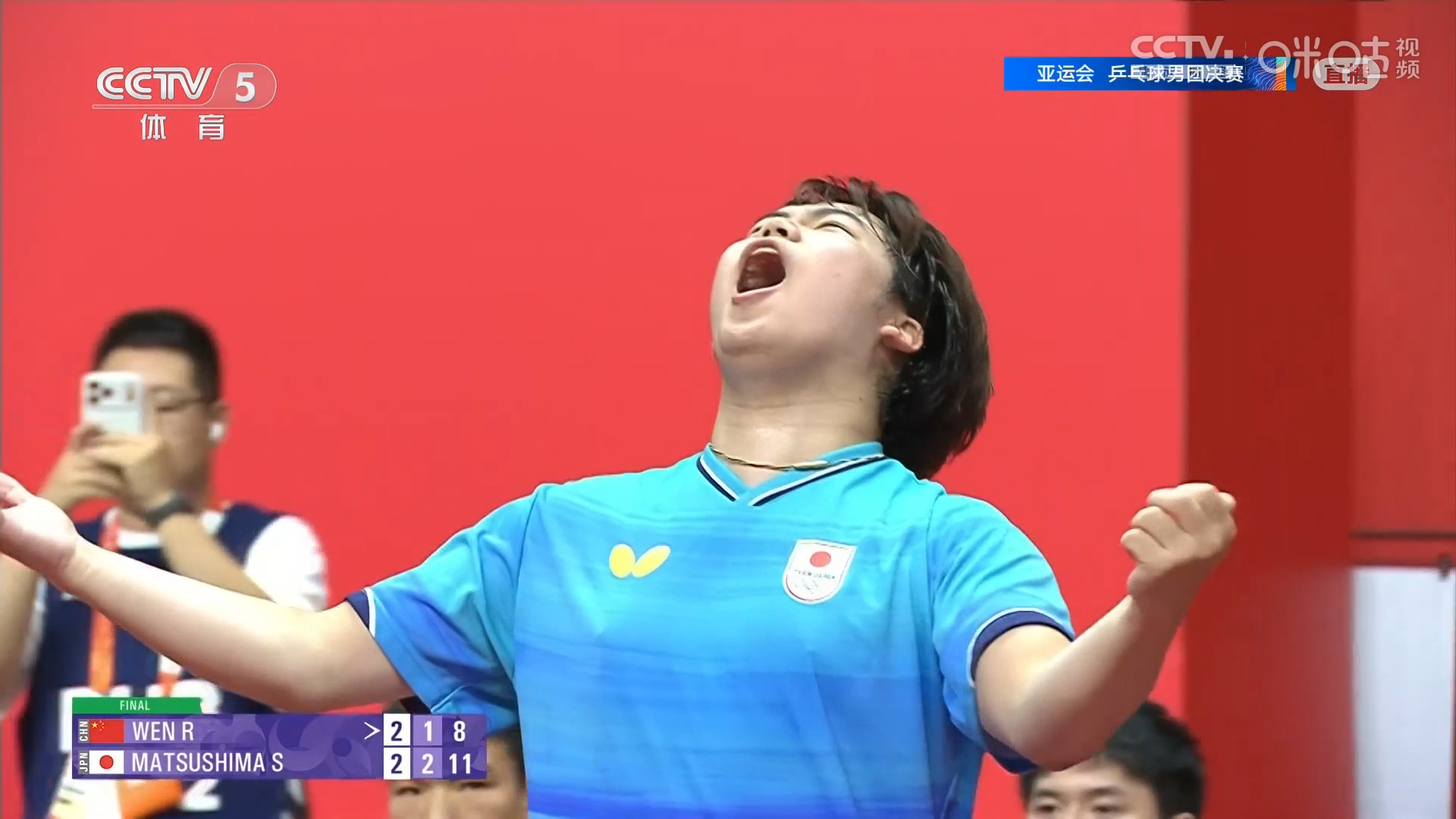
Harimoto's own verdict was colder than any Chinese critic's. Winning, he said, was "not a surprise" — Japan had simply filled in the self-belief it used to lack. He pointed at the deep bench China once took for granted: "In the past, China had another three or so players at the same level as the three on court. That era lasted a decade or two." On Zhihu, the final was the evening's most-read question, and The Paper ran an editorial arguing that what Chinese table tennis needs now is a Matsushima Sora of its own — a hungry young rival inside the system.
The women's final, played in the same hall, was the counterargument. Sun Yingsha, back from a long injury layoff, beat Hayata Hina 3-1 for a 20th straight win over her; Wang Manyu survived a five-game thriller against Harimoto Miwa, taking the decider 12-10 while Sun stood courtside applauding every point; Kuai Man then swept Ito Mima 11-6, 11-5, 11-7.
The team events are settled, but the singles and doubles in Nagoya are still to come. Harimoto, for one, has named his target: a Japanese side so strong it no longer needs to say it wants to win.