Scientists Reconstruct the Face of a Qin Prince Executed in a Royal Purge
A Northwest University team has reconstructed the face of a man about thirty years old from a tomb beside the First Emperor's mausoleum — his skull pierced by a bronze arrowhead, his body taken apart before burial. Archaeologists believe he was one of Qin Shi Huang's sons, killed in the purge that followed his brother Hu Hai's succession, though no DNA or inscription has confirmed it.
When Shaanxi TV posted the reconstructed face on Saturday evening, it was shared nearly 600 times within hours and liked more than 11,000. The face belongs to no one alive. It is a forensic reconstruction of a man buried more than 2,000 years ago in one of seventeen high-status tombs east of the First Emperor's mausoleum at Shangjiao village. He had almond-shaped eyes and a high nose bridge. A bronze arrowhead was still lodged in his right temporal bone, and his head and limbs had been separated and laid hastily inside the coffin.
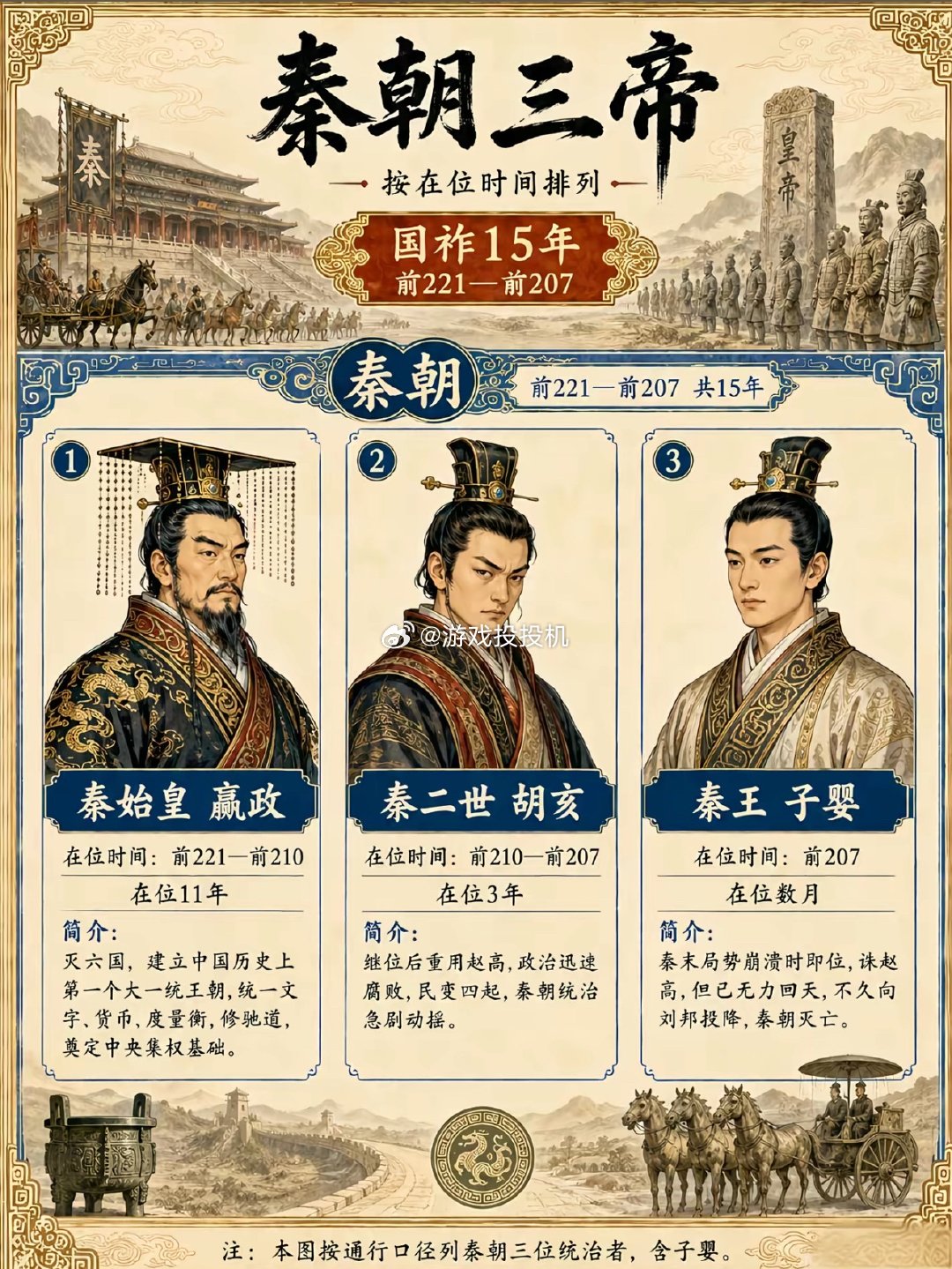
The grave goods left little doubt about rank: gold and silver objects and a bronze sword came out of the tomb. What the tomb cannot yet prove is his name. Working from the Records of the Grand Historian, archaeologists believe the seventeen tombs hold children of Qin Shi Huang killed after his son Hu Hai took the throne in 210 BC — a purge engineered by the eunuch Zhao Gao that the historian Sima Qian compressed into a few words: the princes were all put to death. The dismembered remains are the physical counterpart of that sentence, which is why the reconstruction struck such a nerve on Weibo. One Weibo user put it: "We love to debate an emperor's grand strategy or the secrets of his harem, but we rarely look at the individuals crushed under the wheel of history. He may once have ridden out in fine clothes with his own ambitions and his own weaknesses, yet in the slaughter of power he could not even keep his body whole."
The face itself is partly an act of inference. The Northwest University team built it from a craniofacial database, so skin tone and hairstyle are artistic assumptions, and the identification remains probable rather than proven — there is no DNA result and no epitaph naming the occupant. The argument for royal blood leans on Sima Qian, who described Qin Shi Huang as high-nosed and long-eyed; the reconstruction's features fit that description of the imperial line, which is what made the image feel, to many readers, like a portrait of the family itself.
The story broke in the same week that Shaanxi revised the Qin Mausoleum Protection Regulation, as Shaanxi TV reported: unauthorized construction, blasting, drilling or digging inside the mausoleum's protection zone can now draw fines of up to 10 million yuan for a company, on top of the cost of restoring any damaged relics, and serious offenders can be stripped of their work qualifications altogether.
For an international reader, the appeal is less the gore than the revision. Qin Shi Huang is China's founding figure — the unifier whose army of terracotta soldiers fingerprint research this month suggested was built partly by women and teenagers — and Shaanxi archaeology keeps adding uncomfortable texture to the legend: a Tang eunuch's epitaph published last week corroborated another emperor's murder, and now a skull gives Hu Hai's purge a face. The report stopped short of naming the man. He remains, in every official account, a "suspected" prince — a thirty-year-old killed with an arrow and a blade, whose name the tombs still keep.