Japan Falls Out of China's Top Ten Holiday Destinations a Year After Topping the List
Tuniu's Golden Week data shows Japan missing from China's ten most-booked overseas destinations after leading it last year, as Chinese visits to Japan fall by more than half amid the diplomatic freeze — with Australia, Hong Kong and Southeast Asia absorbing the spend.
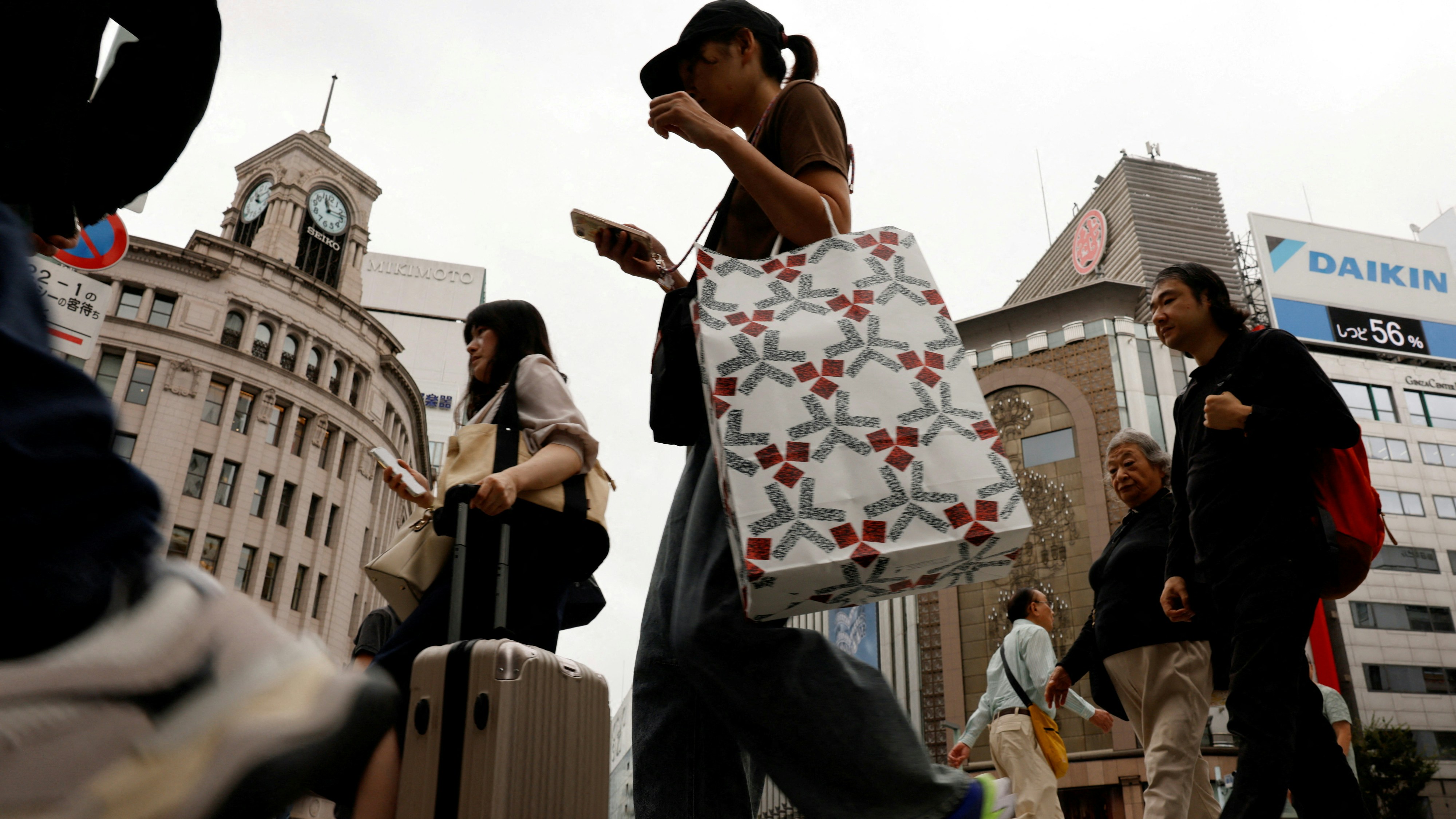
China's longest holiday of the year has redrawn its travel map. Data released on October 1 by the booking platform Tuniu showed Japan missing from the ten most popular overseas destinations for the Mid-Autumn and National Day break — a list the country topped during the same period last year. In the first half of 2026, visits by Chinese travelers to Japan fell 56.4 percent year on year, a decline that began well before this week's holiday.
The cause is political, not economic. The rupture traces to last November 7, when Japanese Prime Minister Sanae Takaichi suggested in the Diet that a Taiwan contingency could constitute a 'survival-threatening situation' for Japan — remarks that drew Chinese government criticism, an official travel advisory, and a broad cooling in everything from flight bookings to fan events. Indonesia, Turkey and South Korea now head the destination list instead.
The reshuffle is happening inside the largest travel wave on earth. Officials projected 2.13 billion cross-regional trips over the eight-day break, as the site covered when the holiday opened; the crowds pressing into major domestic sights are part of why many travelers are heading for small county towns instead.
The redirected flow is visible at the destinations taking Japan's place. In Australia, a traveler's September 28 video of a scenic spot packed with Mandarin speakers went viral; on October 1 the poster said Chinese visitors made up as much as 90 percent of the crowd at popular sites, leaving locals, in the post's phrasing, momentarily unable to tell whether they were in China or Australia. Industry figures attribute the surge to the double-festival 'super-long holiday' and to Australia's emergence as the best-value stand-in for long-haul trips.
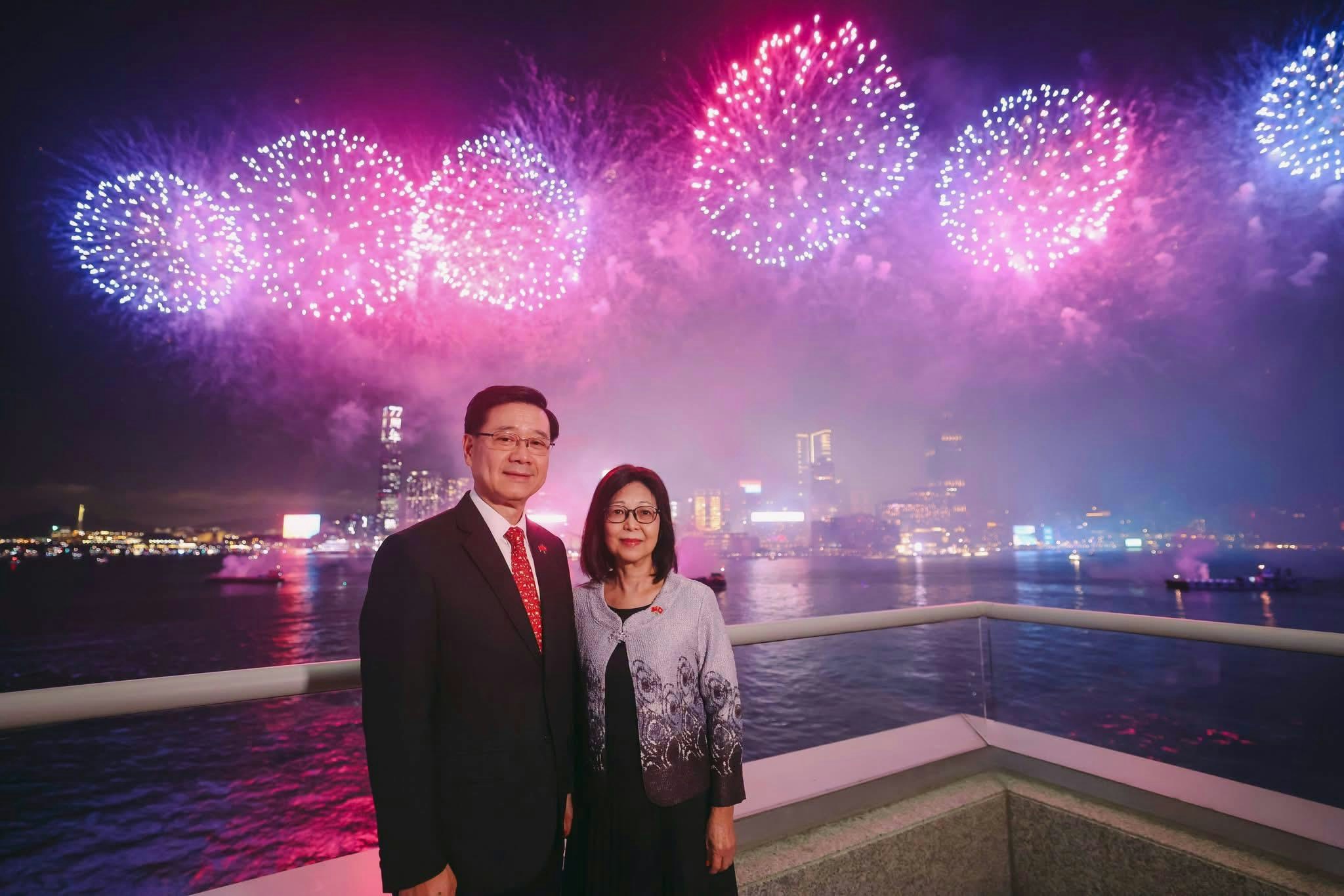
Hong Kong, an easy rail ride away, is another beneficiary. Its October 1 National Day fireworks show sent more than 30,000 shells over Victoria Harbour in 23 minutes; HK01 reported that afterward the cross-border bus terminal in Tsim Sha Tsui saw queues of up to 500 people waiting for coaches to the Huanggang checkpoint, and that McDonald's branches in the district were full of mainland visitors past midnight — the unglamorous footprint of a visitor surge bigger than the city's hotel stock.
For destinations, the lesson of this Golden Week is that Chinese holiday spending now tracks the political weather more than the price of a plane ticket. Whether Japan returns to next year's list depends less on exchange rates or marketing than on whether the two governments find their way back to talking — a question this holiday did nothing to answer.