Thirty Meters From the Sea: A Tech Blogger's 8.7-Million-Yuan Homestay Bet
Technology blogger Li Jieling bought his first home — a Shenzhen house thirty meters from the sea — at a judicial auction for 8.7 million yuan, and plans to run it as a guesthouse. His friend's public warning about salt air turned the purchase into a national argument about property, discounts and hustle.
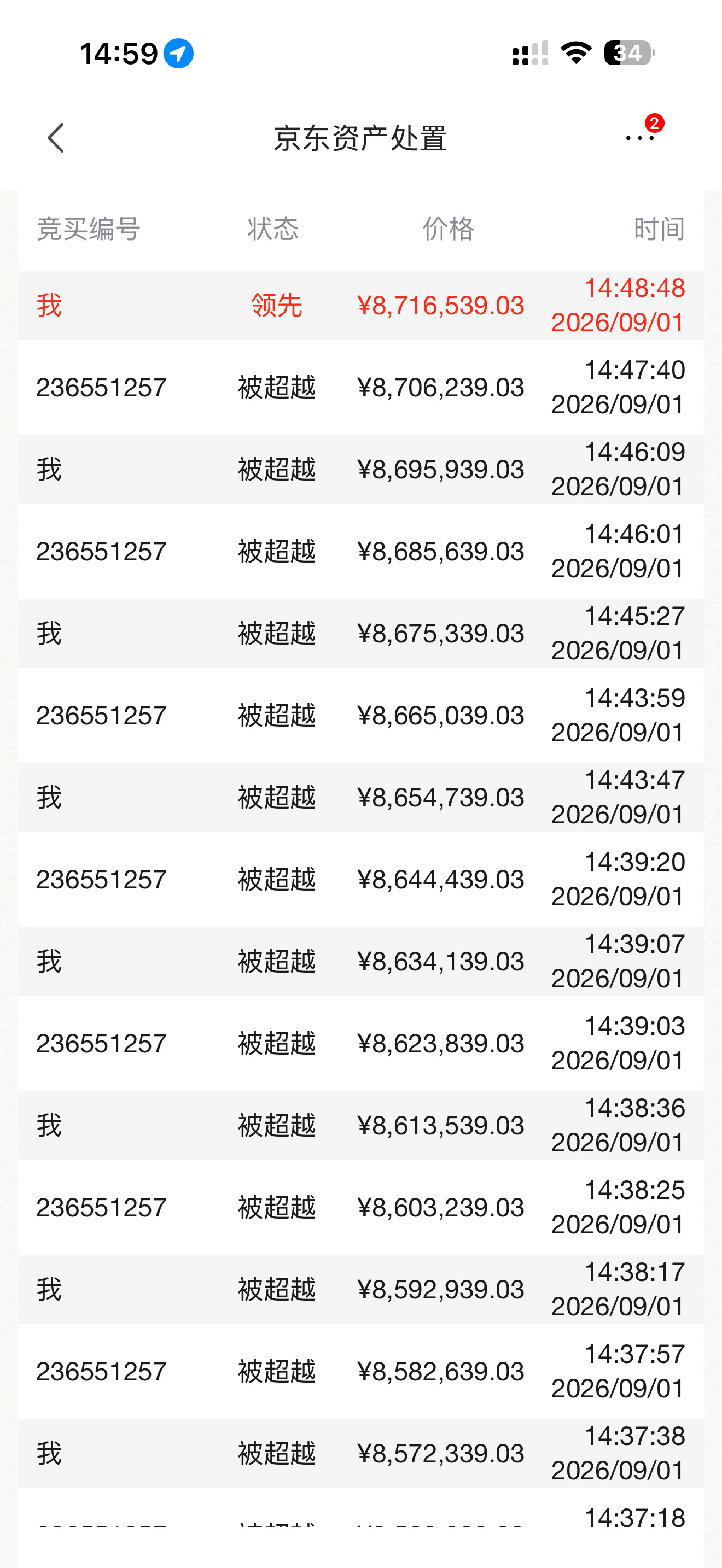
The house sits in Shuitou Village on Shenzhen's Dapeng peninsula, a three-storey pile with a glass-fronted ground floor whose listed distance to the water is, by the purchaser's own count, thirty metres. On Monday, Li Jieling — a well-followed technology blogger — told his readers he had won it at a judicial auction on JD.com's asset-disposal platform, for 8,716,539 yuan (about $1.2 million), after a rival bidder drove the price up from a 2-million-yuan start before standing down (his announcement, liked more than 5,000 times). It is, he noted, the first home he has ever owned.
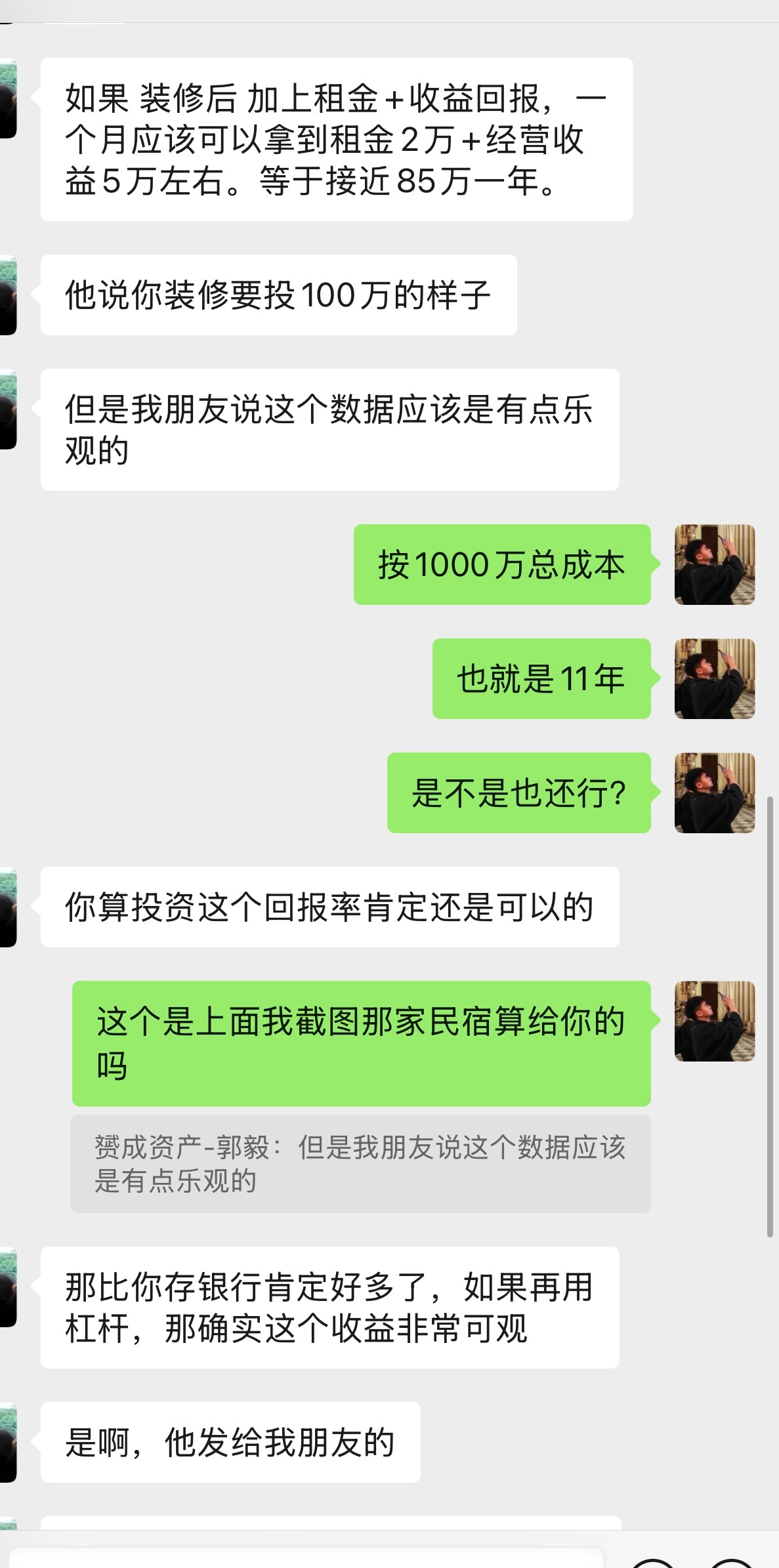
The plan is not to live in it. Li intends to run the house as a minsu — a guesthouse — and he laid out the arithmetic in the same post: a 15 percent down payment of 1.3 million yuan, another million for renovation, 2.3 million in cash in total. Operators nearby, he said, reckon the house price would take about eleven years to earn back. A chat screenshot he shared shows the projected annual operating income at around 850,000 yuan, with a friend's caution that the numbers look optimistic (the screenshot).
What turned a property purchase into a trending topic was the public intervention of his friend Han Lu, one of China's best-known car bloggers. "Brothers, little Han failed — I couldn't talk him out of it," Han wrote under the announcement, envisaging what salt air does to a building thirty metres from the tide: "six months after renovation, everything warps and every piece of equipment corrodes. Anyone who knows, knows. I can't stop him, so I can only wish him well" (Han Lu's post). Li had, in fairness, waveringly admitted as much himself — "I wavered several times, but couldn't quite give up," he wrote of the bidding duel, which ended when his rival "yielded" at 8.7 million.
Underneath the banter sit two real features of China's property market in 2026. The first is the channel: judicial auctions have become one of the main ways distressed property changes hands, and the price Li paid — a fifth of what the bidding started to climb toward at the start — is the kind of discount that only the auction pipe produces. The second is the psychology. Authorities have spent the past year stretching mortgages to forty years and coaxing families back into buying (as we covered when the rules changed), and a blogger crowdfunded by attention buying a guesthouse with 15 percent down reads, to many commenters, as a miniature of the government's hopes.
Li himself got the joke before anyone else could make it. "This made the trending list too?" he wrote within hours. "Is real-money support for the property market really that scarce these days?" (his follow-up). A friend offered the affectionate verdict that captures the whole saga: Fujianese people, he wrote, are simply built for this kind of hustle — the rooftop homestay Li already runs in Shenzhen is nearly always full, and the plan is to keep one room in each for himself, swapping between mountain and sea.