Mahjong's Second Life: How China's Twenties and Thirties Turned the Family Game into a Chain-Store Business
New industry figures show people in their twenties and thirties now make up nearly 70 percent of China's mahjong players, and one self-service parlor chain has opened 14,000 venues in 38 months. The game once associated with retired grandparents has become young China's affordable night out — and a small-business phenomenon.
The stereotype of the mahjong player in China used to be a grandparent, clacking tiles through a smoky afternoon. The industry numbers moving across Baidu's news board this week describe someone else entirely: people aged 20 to 39 now account for nearly 70 percent of the country's mahjong players. On August 28 the story trended on Baidu with a plain headline: young people love to rub tiles, and mahjong parlors have been卷 — "rolled" into chain stores, in the slang of hyper-competition.
The scale is the striking part. One self-service parlor brand opened 14,000 stores in 38 months, spreading across more than 300 cities. The format that grew fastest is the unstaffed one: rooms of automatic shuffling tables running without staff on the floor, what the industry data calls a shift from traditional parlors to self-service operation. It is the same playbook that rebuilt China's convenience stores and karaoke boxes — strip the service, keep the space, price it by the hour.
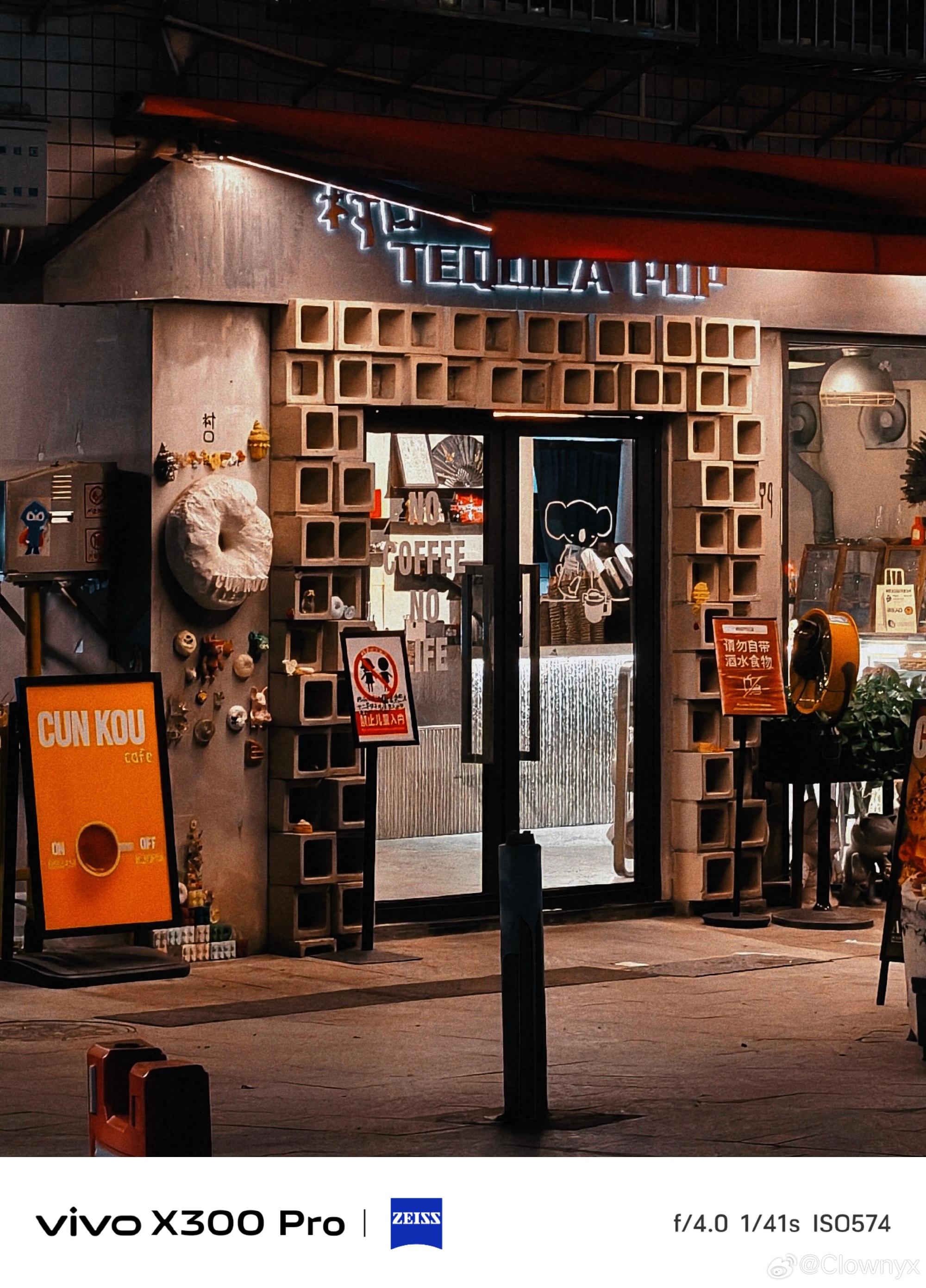
Why mahjong, and why now? The economics are legible in the posts young players write about it. One city-dweller described the scene on his own street: restaurants closing with "for transfer" signs one after another, replaced by mahjong parlors and small bars that fill up at night — "not loud, but with a sense of temporarily escaping." A table costs a fraction of a dinner party, the game fills three or four hours by itself, and unlike KTV, nobody has to sing. For a generation whose consumption habits have turned frugal since the property downturn, it is a night out that respects the budget.
There is also a quieter social current underneath. Another Weibo user recounted visiting a parlor an old classmate opened — sixteen tables, full on a weekday morning, the owner "radiant," unrecognizable from two years ago when he wore a face full of worry. Mahjong has always doubled as a social contract in China: a way to see people regularly without the obligation of a meal or the intimacy of a confession. The self-service parlor industrializes that contract — you rent the room and bring the friendship.
The game's reinvention is also a reminder of how unfixed "tradition" is. Mahjong survived the cultural registration of grandparents' living rooms, provincial tournaments and online anti-addiction debates to arrive here: an app-booked, camera-monitored, chain-store version of itself, played by the people meant to be too busy to play. What the parlors are really selling is not the game — it is permission to sit down with three friends for an evening and do nothing productive at all.