Mbappé Apologizes for a Mao Meme, but His Chinese Accounts Stay Muted
The Real Madrid striker's apology came a day after Chinese brands dropped him and the Foreign Ministry was asked about him at its briefing — but his Weibo and Xiaohongshu accounts remained muted, and Real Madrid has still said nothing.
Kylian Mbappé's apology reached China the way his troubles did: through Chinese media, translated and circulated within hours. "In a recent interview I responded to an image that used me as its subject. My remarks were inappropriate, and I now understand they hurt many people in China and Chinese communities around the world. I am deeply sorry," the Real Madrid forward said in a statement Sina News posted on Tuesday. Within hours "Mbappé apologizes" was among Baidu's top-trending searches. The apology arrived a day after the institutional responses were already complete.
The trouble began as a lighthearted answer on The Bridge, the podcast hosted by his Real Madrid teammate Aurélien Tchouaméni. Asked about his favorite memes, Mbappé singled out a sticker showing his face superimposed onto Mao Zedong — the former leader whose portrait hangs over Tiananmen — and said he often sent it to friends while gaming. To an international reader this can look like an ordinary footballer's joke. In China it landed very differently: Mao's image carries a gravity approaching the sacred, and a foreign athlete who has made millions from Chinese endorsements treating it as a laughing sticker is read as mockery. Guangming Daily set out the official view in a Tuesday editorial: influence must not ride above respect, and no one gets a pass for insulting a departed great leader of China.
Over roughly a day, the response ran through every layer of China's commercial and platform power. Dongpeng Beverage, Mengniu and the cheese brand Miaokelando terminated their contracts and deleted campaign material — the purge we covered on Monday morning. CCTV pulled his advertisements and suspended broadcasts of La Liga matches featuring him. Lawyers quoted in Chinese media noted that endorsement contracts typically carry image clauses, so the brands can walk away without paying compensation. His trademark applications, filed across several product categories, were rejected as invalid.
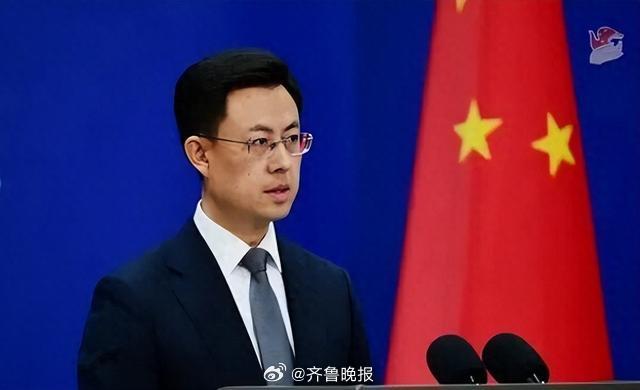
Then came the state. On Tuesday the Foreign Ministry was asked about the case at its daily briefing. "Words and deeds that hurt the feelings of the Chinese people will naturally meet the collective rejection of all quarters of Chinese society," spokesperson Guo Jiakun said, as Qilu Evening News reported from the briefing. By evening, La Liga had issued a formal apology in Spanish and Chinese: Mbappé's remarks were "in no way representative of La Liga's position," the league's Chinese Weibo account wrote, committing the league and its clubs to cultural-awareness standards to prevent a repeat. That statement drew more than 15,000 likes within hours of posting.
What has not arrived is a word from Real Madrid. As of Tuesday night the club had said nothing, and the silence has become its own story — Chinese fans are debating whether the lapse belongs to the player alone or, as one trending phrase has it, to a club that let it happen. Reaction abroad has been harsh too. One Chinese account that follows European football noted that French and Spanish commenters were saying nearly what Chinese ones were: if you want to earn a country's money, understand and respect its culture and history first.
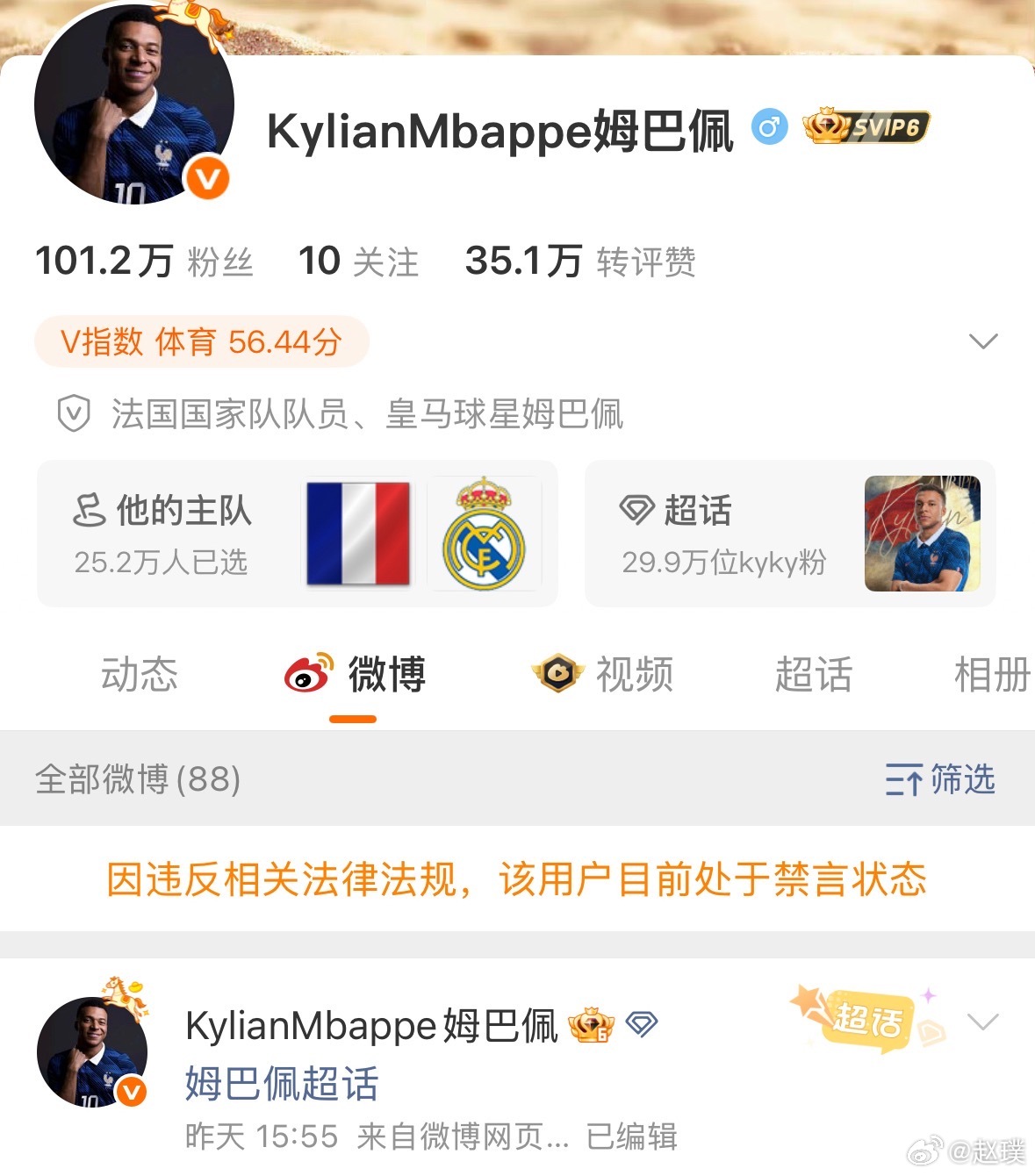
The apology may eventually calm the brands. It has not yet moved the platforms. Tuesday night, his Weibo profile — 1 million followers — still carried an orange banner saying he had been muted for violating laws and regulations, and his Xiaohongshu account was muted as well. A year's worth of Chinese marketing material has been deleted. For now the last word belongs to the mute banner, not the apology.