No Make-Up Workdays, No Free Tolls: What China's 'Pure' Mid-Autumn Break Says About Holiday Politics
China's Mid-Autumn Festival break runs September 25 to 27 without any weekend-shuffling 'tiaoxiu' — a first in years that state media celebrated and road-trippers noted comes with normal expressway tolls. The arrangement is a window into the calendar engineering Chinese workers love to hate.
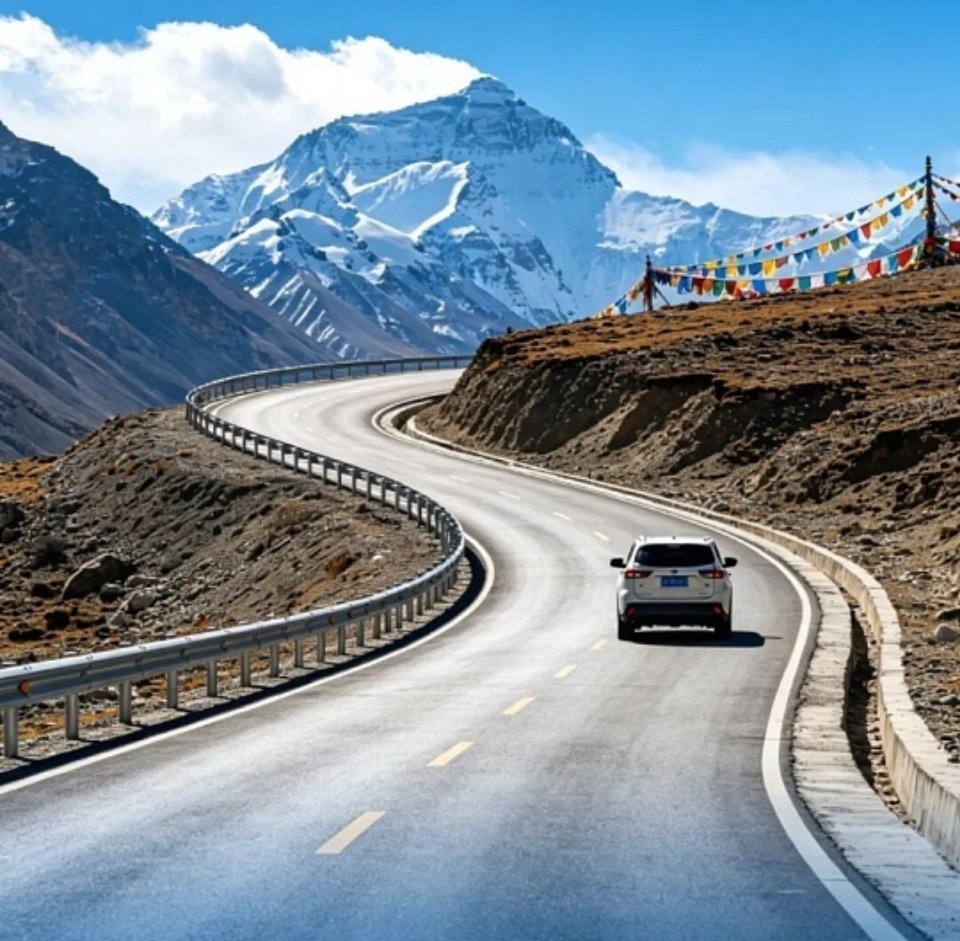
China's holiday calendar for the rest of 2026 is out, and the detail generating the most conversation is an absence: the Mid-Autumn Festival break, falling September 25 to 27, requires no "tiaoxiu" — the weekend-shuffling by which longer Chinese holidays are usually engineered. The three days run Friday to Sunday, naturally, and workers will not be asked to repay them with a weekend shift. State media framed it as a gift; one post calling it a "pure-enjoyment edition holiday" was among the most shared in the thread.
To an outsider this sounds like the bare minimum, and it is — which is exactly why it is news. Tiaoxiu is the administrative trick that manufactures China's "golden week" mega-holidays: a seven-day National Day break, say, is assembled by borrowing adjacent weekends, which are repaid with six- or even seven-day working weeks before and after. The practice is reliably among the most resented features of Chinese working life, an annual ritual of calendar-spreadsheet rage on Weibo. This year's Mid-Autumn arrangement — three days, no debts, no 6 a.m. Sunday alarm in service of the tourism economy — is being read as a small concession to that mood.
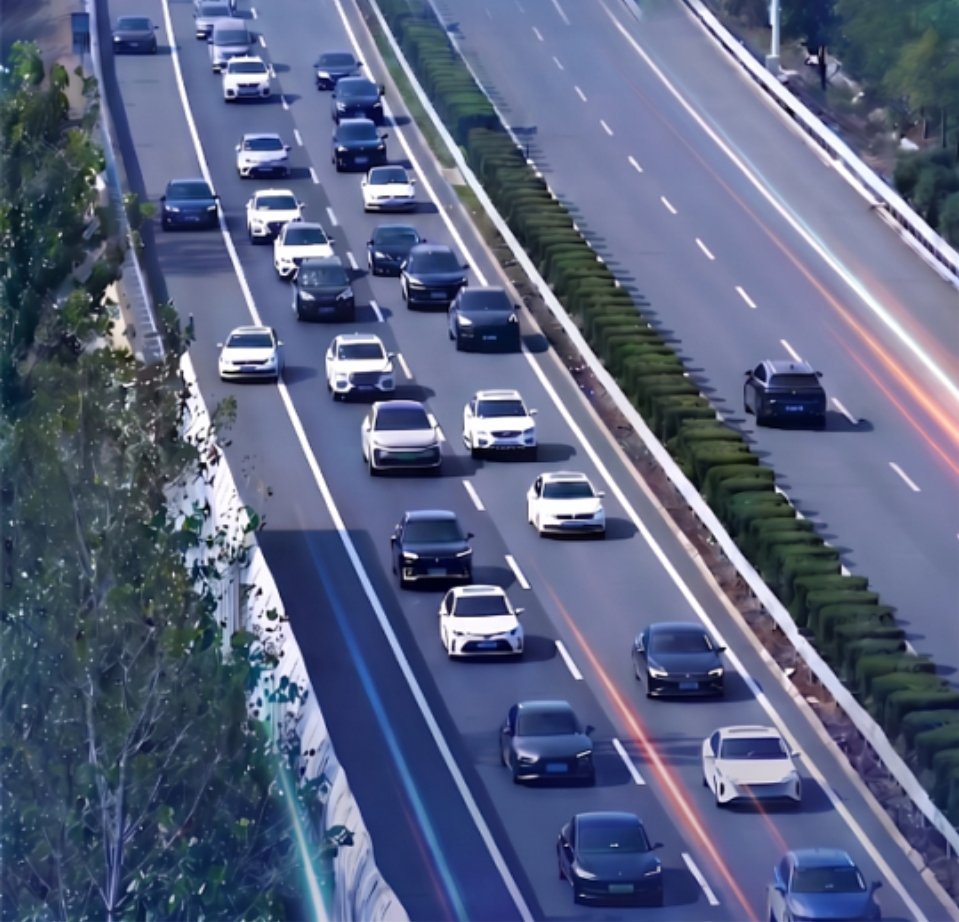
The fine print carries the second lesson: tolls. During major Chinese holidays, private cars travel the national expressway network free, a policy that produces legendary traffic jams. But only four festivals qualify — Spring Festival, Qingming, May Day and National Day. Mid-Autumn is not one of them, so September 25 to 27 will be tolled as normal. "Many people assume every mini-break means free roads," one blogger warned, walking readers through the policy. The exclusion is by design: a three-day break is considered too short for the long-distance journeys the free-toll policy is meant to smooth.
What the short break does invite is arithmetic. Mid-Autumn this year sits only three working days from the National Day golden week (October 1 to 7). Take September 28 to 30 off — three days of annual leave — and the two holidays fuse into a thirteen-day stretch, September 25 through October 7, without touching a weekend. State media actively promoted the hack, asking readers whether they were willing to burn three days of leave for a fortnight off. For the migrant worker or the long-distance couple, it is the difference between visiting family and touring Europe; for employers facing a fortnight of half-empty offices, rather less welcome.
There is a wry satisfaction in the sequence. The Mid-Autumn Festival, whose moon-gazing traditions date back over a thousand years, gets three untampered days; the modern impulse to stitch those days into something bigger remains as strong as ever. Between the no-tiaoxiu relief and the leave-stacking schemes, the Weibo conversation has managed to be grateful, resentful and scheming at once — perhaps the most Chinese-holiday response there is.