State Media Calls for a Full Mukbang Ban After a 24-Year-Old Streamer's Death
A month after mukbang streamer Ganfan Yingying died at 24 following years of extreme eating and purging, state-affiliated outlet ThePaper has called for China's eating-show genre to be banned outright, turning mourning into a debate about the traffic economy that paid for the spectacle.
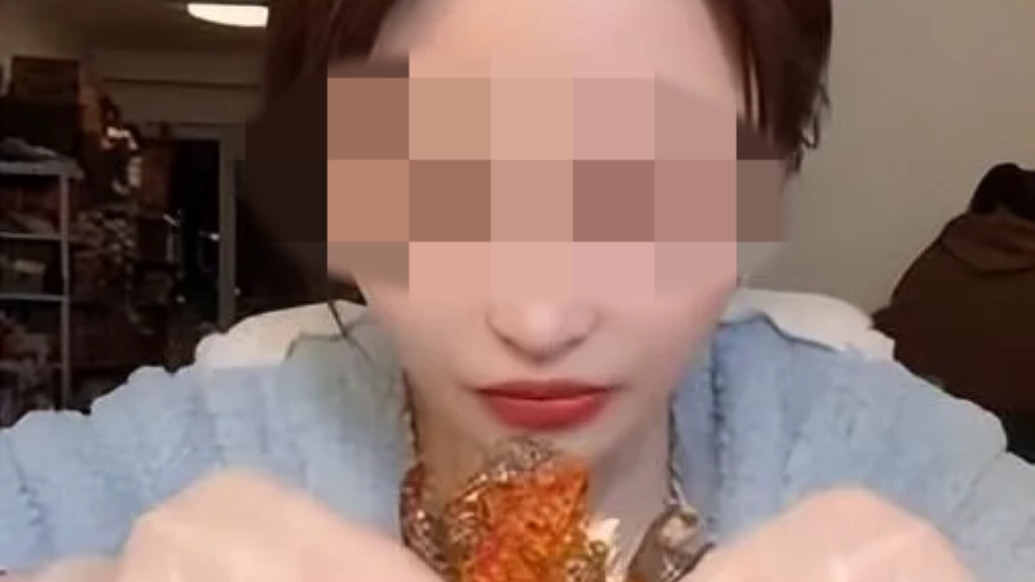
A month after the death of 24-year-old eating-show streamer "Ganfan Yingying," China's conversation about mukbang has moved on from grief to a harder question: whether the entire genre should exist. On September 8, ThePaper, one of the country's most-read state-affiliated news outlets, published an editorial arguing that such streams should be shut down outright — a striking call for a form of entertainment that has flourished on Chinese platforms for years.
Yingying, a streamer with more than a million followers, died on August 17. In an obituary her parents posted online, they said her health collapsed under years of extreme eating performed for livestream audiences: in one signature broadcast she consumed 60 to 70 century eggs in a single session. In her final video, three days before her death, she appeared with IV needles in the back of her hand and told viewers her blood potassium had fallen as low as 2.3 mmol/L — far below the level doctors consider safe — and that she believed the damage came from long-term purging. "Making money matters," she told her fans, "but health always comes first."
That detail is what turned mourning into argument. ThePaper's editorial, titled "This kind of mukbang should be banned outright," described an industry in which performers stuff themselves on camera and force themselves to vomit off camera — "eating desperately in front of the lens, purging desperately behind it" — to protect a "big stomach king" persona that draws the gifts and shopping sales on which the business runs. The editorial called for the traffic and commercial chain behind such streams to be cut off at its source: the algorithms that promote them. The phrase "#mukbang has become a traffic track that eats people#" climbed to the top of Baidu's trending board, and a related Weibo hashtag carried posts from major outlets.

Extreme-eating broadcasts are not a new scandal in China. Regulators have previously pushed platforms to suppress "big stomach king" content, partly as food-waste campaigning, partly out of health concerns — yet the genre adapted rather than disappeared, migrating toward livestream commerce where spectacular eating drives sales. Yingying's own streams were built for that economy. As we covered last week, her case has become shorthand for a wider pattern: creators spending their bodies as working capital in an attention market that pays for the spectacle and bills the performer.
The reaction online has been notably unsentimental. Alongside condolences, the most-liked comments argue that outrage at individual platforms misses the point — one widely shared reply put it flatly: "Which traffic track doesn't eat people?" That view treats mukbang not as an aberration but as the logic of the creator economy taken to its end: the audience rewards excess, the algorithm amplifies whatever the audience rewards, and the performer absorbs the cost.
What happens next is the real test. ThePaper is a state-affiliated outlet, and its editorials have previously preceded platform crackdowns. If regulators or platforms act, the measure of success will be whether the commercial mechanics — the gift economies and e-commerce link-ups that make dangerous eating profitable — change, or whether the shows simply return under new names, with a new cast of performers willing to eat until it hurts.