Pang Dong Lai Will Hire New Staff on Four-Year Contracts — and Never Renew Them
Yu Donglai, founder of China's most admired supermarket chain, announced that all new hires will be 'trainees' on four-year contracts that are never renewed, with graduates' names published online — a policy that has Chinese social media asking what a good job now even is.
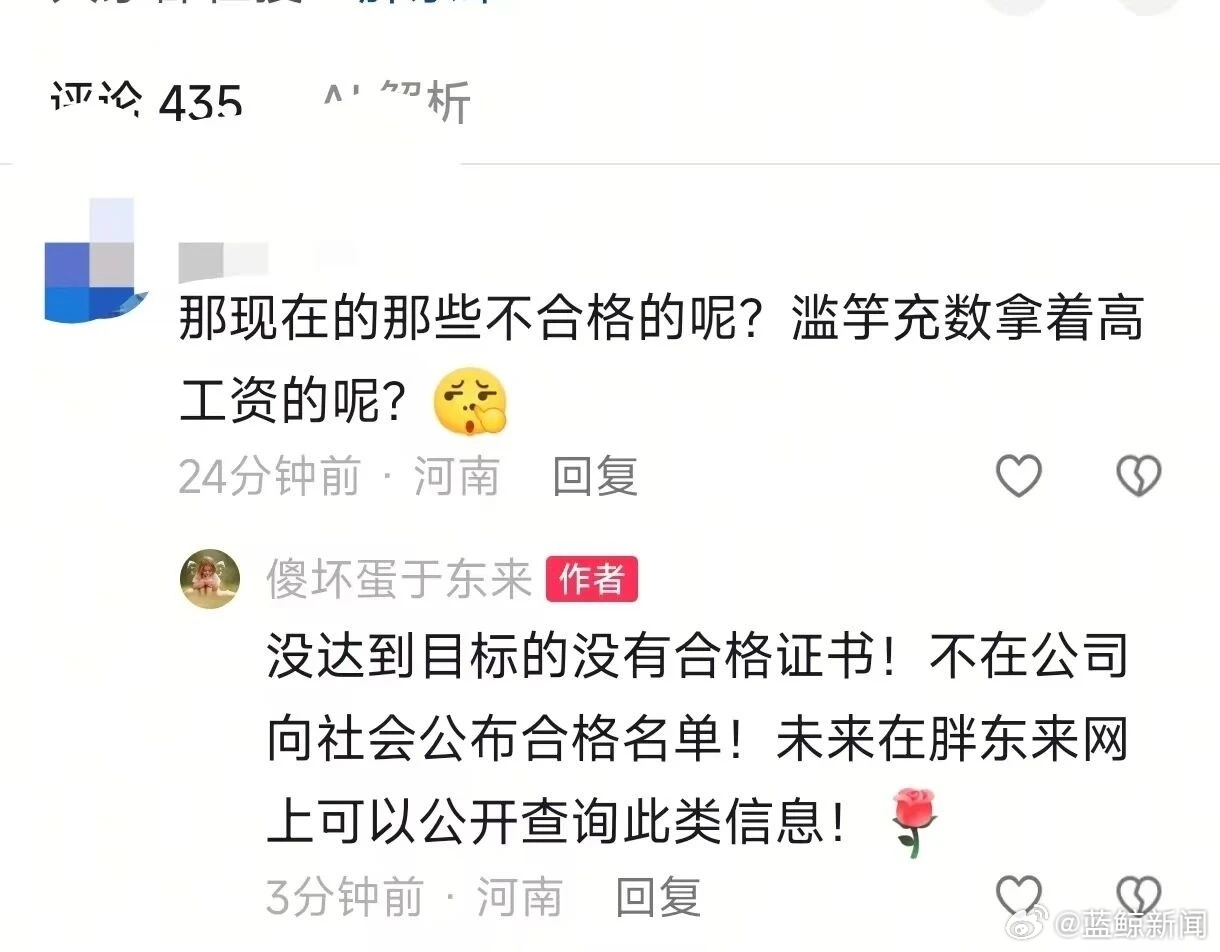
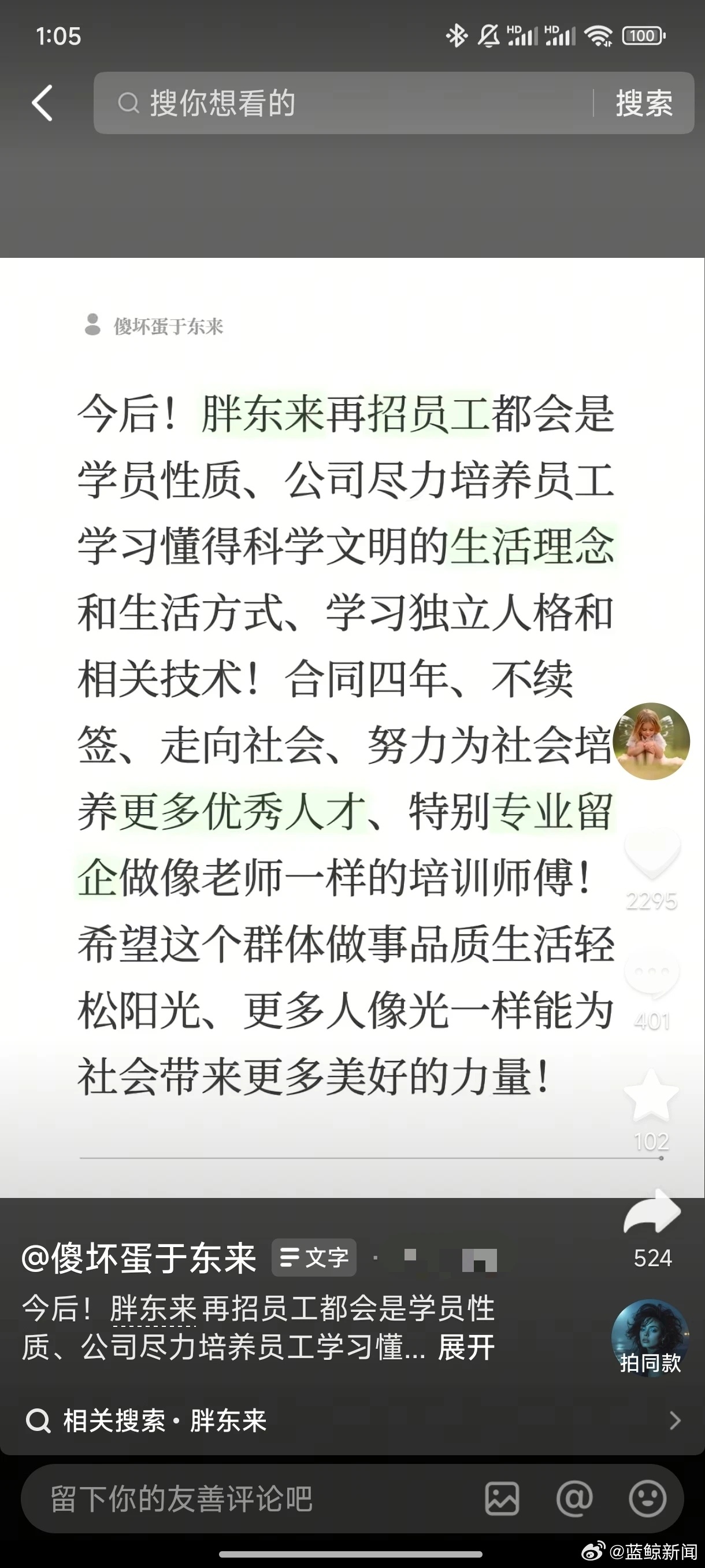
Yu Donglai, the founder of Pang Dong Lai, spent September 13 doing what he often does: announcing company policy as a personal post, one clause at a time, from an account whose name translates as "Silly Bad Egg Yu Donglai". This one landed differently from his usual welfare increments. New hires at the Henan supermarket chain, he wrote, will all be taken on as trainees — on four-year contracts that the company will not renew.
The stated purpose is almost philanthropic. The company will "do its utmost to cultivate employees who understand scientific and civilised ideas about life, independent character and real skills", the post read, and "work to cultivate outstanding talent for society", including future in-house trainers "like teachers". Staff who fail to meet their goals will not receive a qualification certificate; the list of those who pass will be published, and anyone will be able to look it up on Pang Dong Lai's website.
Why this company, of all companies
The announcement ricocheted because of who issued it. Pang Dong Lai is the chain Chinese social media treats as the anti-workplace: a regional supermarket famous for paying well above the local norm, closing early, giving staff long holidays and even paying a 50,000-yuan reward to employees who marry without a bride price, a policy this site has covered before. Its revenue reached 19.5 billion yuan in the first eight months of this year, remarkable scale for a business famous for caring how its cashiers feel. When China's most admired employer says new staff are, by design, temporary, readers do not take it as one company's quirk — they take it as a signal about what a "good job" now means.
The comments on the announcement ran to open puzzlement. "I genuinely don't know how to evaluate this," one user wrote under the news. Another put the arithmetic bluntly: everyone taking the job "knows that in four years they'll be out of work." A third read it as the founder managing costs — preferring young trainees to older, better-paid staff — and concluded it was one more reason young people chase civil-service exams: "No wonder everyone wants to sit the civil service exam. Stability."
That last reaction is the cultural hinge. A fixed-term contract with guaranteed exit is standard retail practice almost anywhere; in China's private sector it reads as the opposite of the 铁饭碗, the "iron rice bowl" of permanent state employment that millions of graduates now spend years trying to win back. The most admired private employer in the country announcing that even its own jobs are deliberately non-permanent lands in the middle of that argument — a company famous for generosity telling its next generation of workers that it will teach them a way of living, certify it, and then let them go.
Yu's comment thread suggested he intends the turnover literally: those without certificates will not stay, and the passing list will be public. Whether a supermarket can hand out meaningful "qualification certificates" for a way of life — or whether the policy simply formalises churn while keeping the brand halo — is what the next four years of hiring will show.