China's Viral Payslip Meme Meets the Official Wage Statistics
A viral meme in which people post screenshots of their payslips to settle what their lifestyles imply landed in the same week China released its national average wage data — and the gap between the two says a lot about how earnings really feel in China.
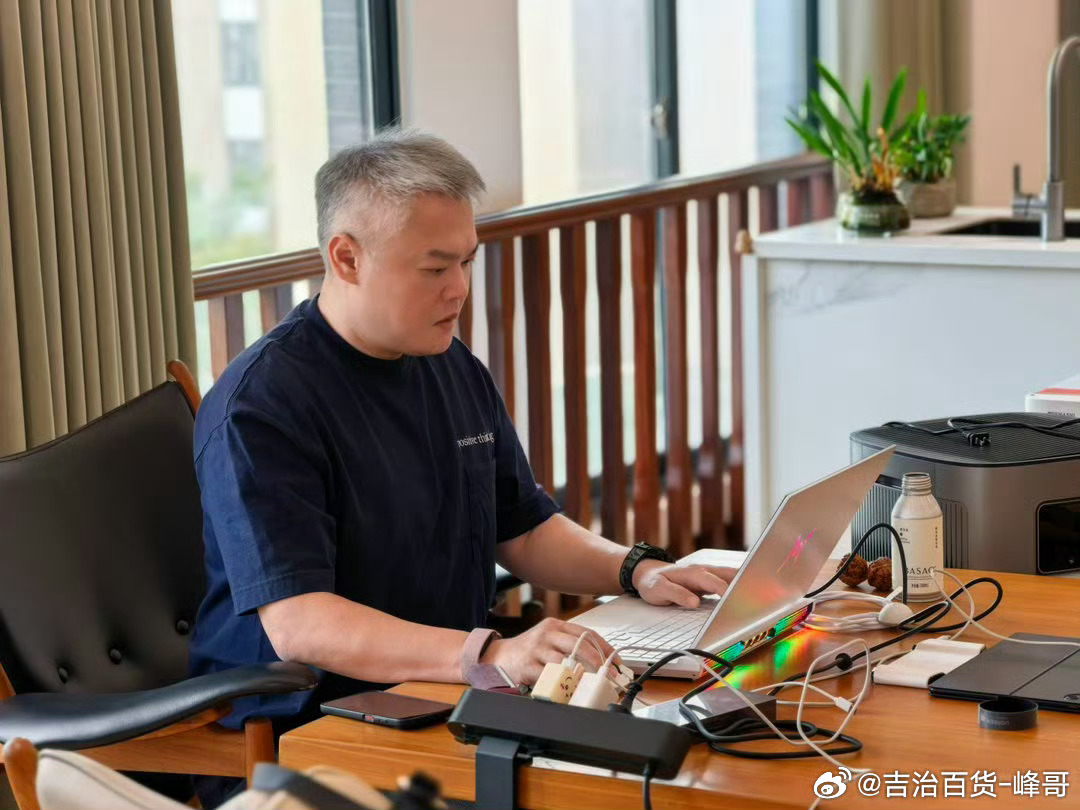
The meme that ran through Chinese social media this week is a reveal in a single sentence: "They all thought I didn't work — until I opened my salary card" (他们都以为我不上班呢直到我打开了我的工资卡). The joke is a gap between two things that never quite line up: how someone lives, and what they actually earn. In the most-shared version, a Guiyang variety-store owner who goes by 峰哥 posted a group-chat screenshot in which friends tease him to "go try working eight hours a day" — a line that nods to the country's most famous slacker meme, "working is impossible, not in this lifetime" (打工是不可能打工的) — and then followed it with a bank app screenshot: a China Construction Bank account showing income of 170,545 yuan over three months, against spending of just 227 yuan (the post).
The version that went viral is the flex. The screenshot is a joke about being a man who looks like he never works, and whose payslip says otherwise.
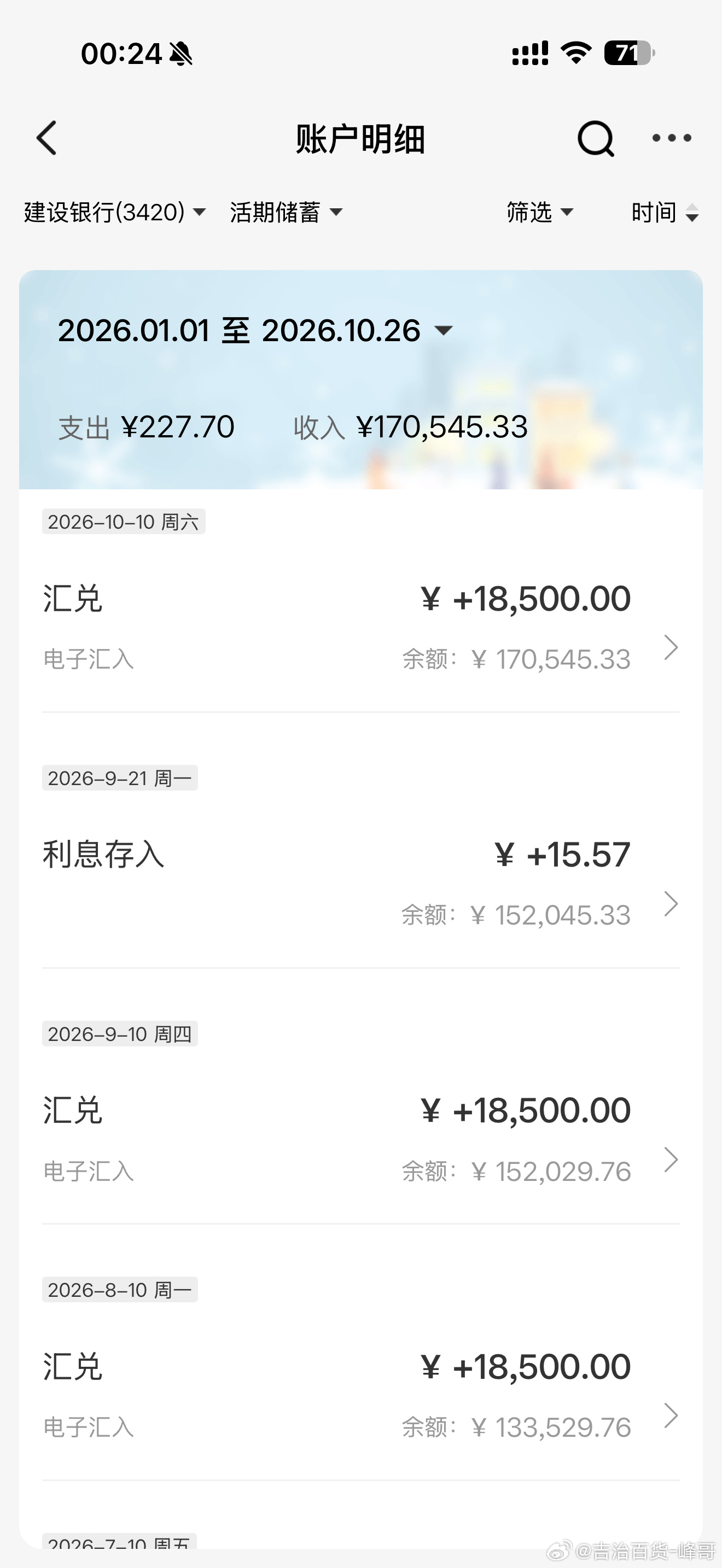
But the meme's real appeal is the one underneath it. The other versions of the joke — the ones that don't come with a 170,000-yuan bank statement — are self-deprecating, and they land because the same gap runs in the opposite direction for most people: a life that looks like a steady job, and a payslip that doesn't explain it. The reveal is a confession.
The meme's arrival coincided with the release of the government's own numbers, and the two never quite fit. The 2025 average wage for workers in China's non-private sector — state-owned enterprises, foreign firms, listed companies — was 129,441 yuan a year, or about 10,800 yuan a month, up 4.3 percent from a year earlier. The average for the private sector was 71,590 yuan, or about 5,966 yuan a month, up 3.0 percent. The figures come from the National Bureau of Statistics' 2026 statistical yearbook, and the question that ran through Chinese social media after the release was the one that always runs through them: "31 provinces released their average wages — what else is worth attention?" (the Zhihu discussion).
What is worth attention is the gap inside the statistics themselves. The non-private average is nearly double the private one, and that split is the cleanest single statistic on China's labour market: the same job, in the same city, can pay radically differently depending on whether the employer is a state-owned enterprise, a foreign firm, or a small private company. Neither number is a median — the average is pulled upward by a small group of high earners — which means the figures describe an economy's shape rather than a typical worker's life. The payslip meme, in other words, is doing the same job the statistics do, from the other side: it is a record of what people actually earned, posted one at a time, and the collection never adds up to the official average.
The meme's persistence is a small cultural fact with a large one behind it. Chinese social media has spent years processing a slowdown in wage growth and a housing market that no longer reliably multiplies what a worker earns, and the meme — the flex, the confession, the reveal — is how the gap between the two gets talked about. A country's wage statistics are published once a year. Its payslips are published every day.