Why Chinese Netizens Are Telling Each Other to Buy Their Parents an iPhone
A trending hashtag urging Chinese families to give their elderly relatives Apple phones is really an argument about Android's ad-choked app ecosystem — and about who pays the price when apps can trick a 70-year-old into a loan he never meant to take.
The hashtag that trended on Sunday evening looked, at first glance, like a tech-brand argument: "strongly recommend giving your family's elderly an Apple phone" (强烈建议给家里老人用苹果手机). But the posts underneath it were not about iPhone versus Android. They were about what happens when an app ecosystem is financed by advertising that treats a 70-year-old as the easiest target on the internet.
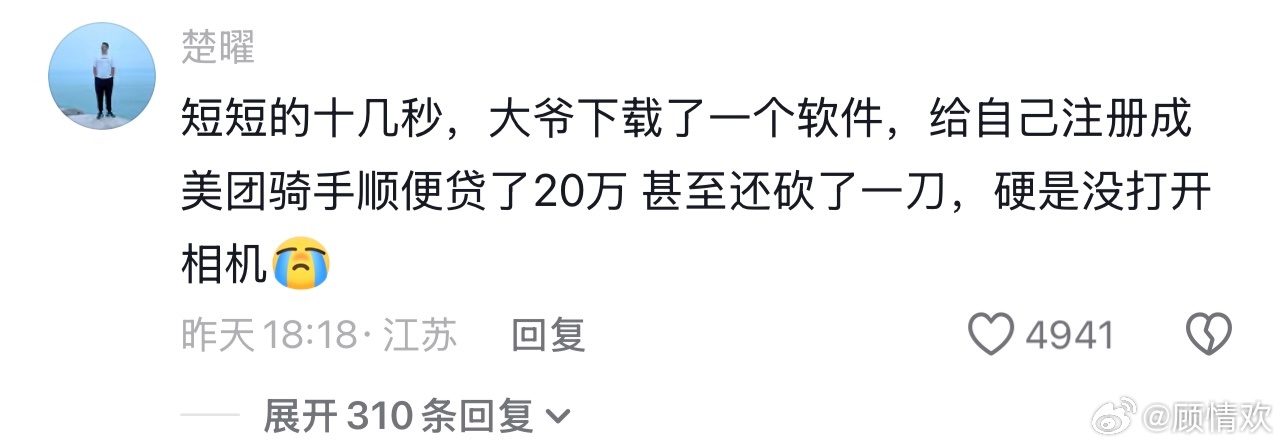
The original post, by a user named 小鹿先生ING, came with a video and a blunt sentence: "The apps these days are terrifying. I strongly recommend giving your family's elderly an Apple phone" (the post). It struck a nerve, and the replies turned into a catalogue of the ways Chinese Android phones seem to work against their oldest owners. One user, whose comment drew nearly 5,000 likes, described an experience that has become a genre of its own: "In just over ten seconds, my dad downloaded an app, registered himself as a Meituan rider, and took out a 200,000 yuan loan. He even had fees sliced off the top, but absolutely couldn't open the camera" (the most-liked comment). A 200,000-yuan loan — roughly $28,000 — opened by a man who only wanted to watch a video.
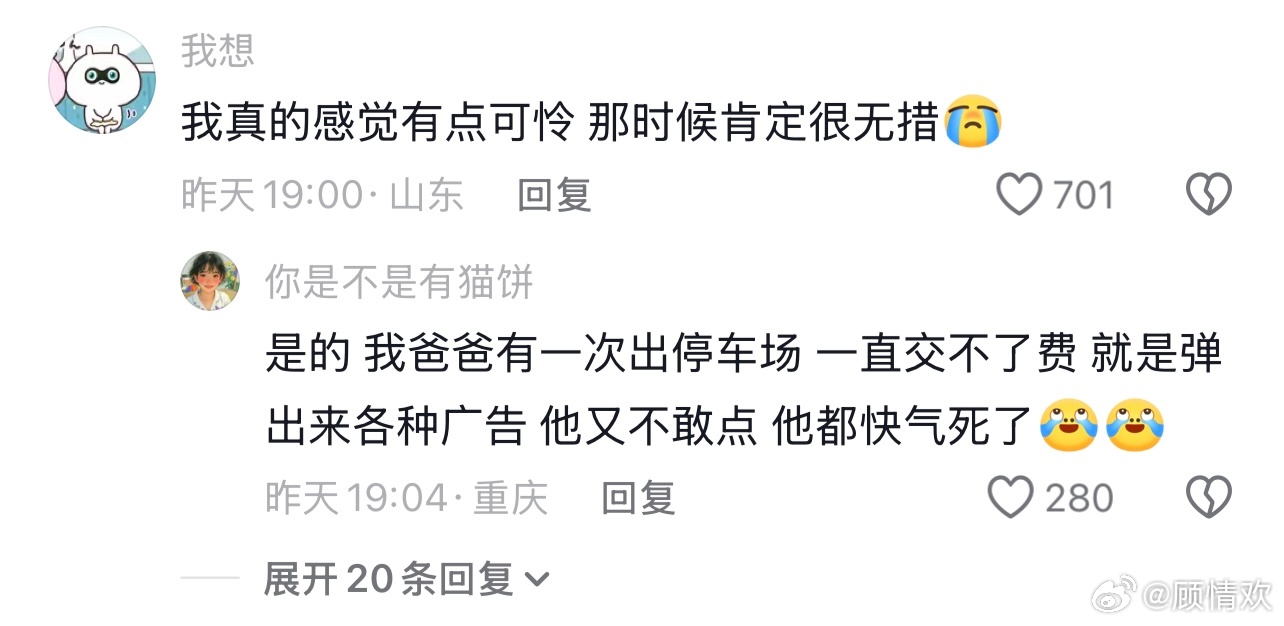
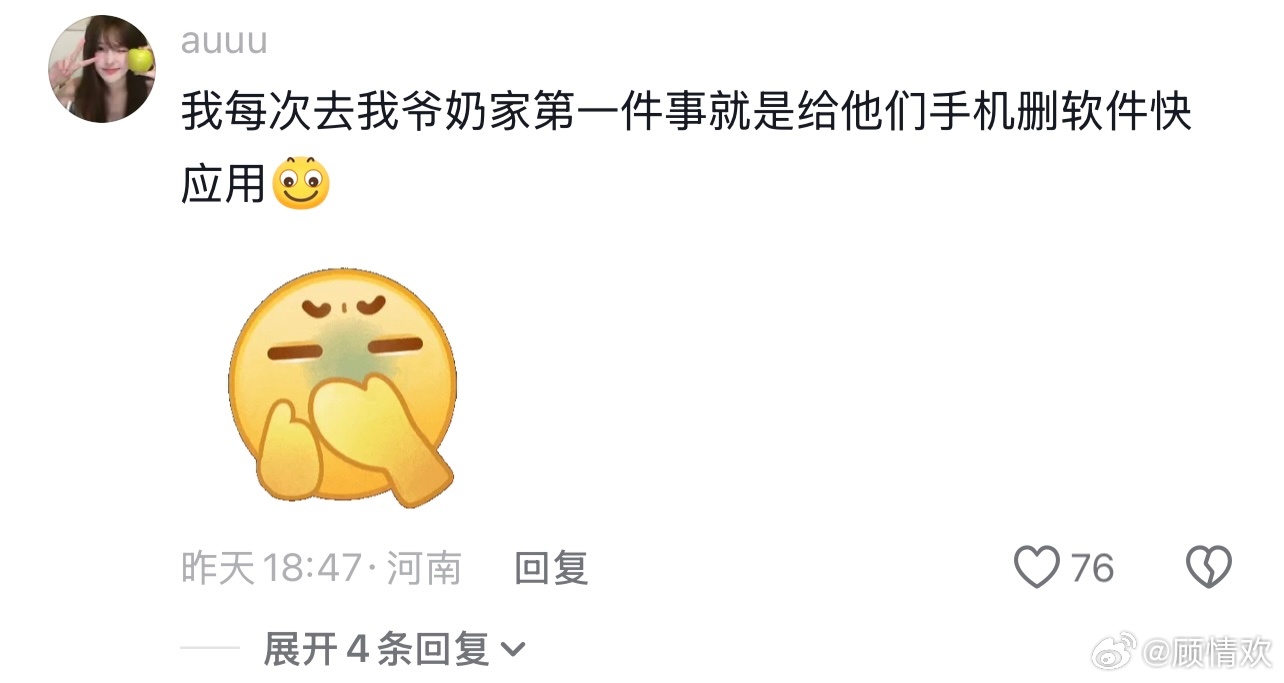
The comment sections assembled an argument about design. On Android, users complained, a single mis-tap on an ad can install an app outright, and the ads are engineered to look like system buttons — the grey "×" that closes a pop-up is a small moving target beside a huge, bright "download" bar. One user described their father stuck in a parking lot, unable to pay the exit fee because pop-up ads kept covering the screen and he "didn't dare to tap anything" (the exchange). Another, whose first act at their grandparents' house is to clean the phone: "Every time I go to my grandparents' home, the first thing I do is delete software and quick apps from their phones" (the post).
Apple's phones, by contrast, ask for a face scan or a password before any install, and ship without the aggressive third-party ad layers Chinese Android users have come to expect. A widely shared post by the veteran tech writer Fenng put it sardonically: "Filial sons and daughters curse the ads on phones for the elderly, and then still give them Android phones. Cold fact: an Apple phone has no ads when it calls. Even a retired iPhone has no ads" (Fenng's post). The irony of advising an American brand for the most vulnerable user in a Chinese household was not lost on anyone — one reply joked that patriotism was intact, since the iPhone's price included plenty of tax.
The debate is really about a specific failure of China's mobile market. The Chinese Android app ecosystem is enormous, cheap, and financed by in-app advertising and pre-installed "quick apps" — lightweight programs that open without a store download and have historically been the worst offenders for misleading buttons and hidden subscriptions. Regulators have cracked down periodically, but the ecosystem's economics are unchanged, and the burden of surviving them falls on whoever is least equipped to do so. Elderly users, who adopt smartphones late and often through a child's hand-me-down, sit at the bottom of that funnel.
It also explains why the hashtag's answer is not "teach your parents" but "give them a different phone." The instruction children are giving each other is a design verdict: the system is not going to be fixed for the people it harms, so route around it. The fact that a foreign phone — the one brand the government has courted domestic alternatives to replace — is the recommended tool for Chinese grandparents is the kind of contradiction the internet is happy to point out and equally happy to live with.
Whether the trend changes anyone's shopping list, the next generations of the debate are already written in the replies: cheaper Android phones with stricter "elderly modes," App Store policies, and the question of who is responsible when an app tricks a man into a loan. For now, the safest phone for a Chinese parent, according to the internet, is one made in California — and its best feature is a set of permissions that simply refuse to say yes.