Protecting Your Skin from the Hidden Dangers of Spring Sunlight
As the warmth of spring beckons people outdoors, it's essential to remind everyone of the critical need for sun protection. The season's stronger sunlight, coupled with increased outdoor activities, heightens the risk of sunburn and long-term skin damage. Scientific research suggests that spring is a critical period for protecting ourselves against UV radiation, as the ozone layer, which helps block UV radiation, is still recovering from the winter months, making it less effective at shielding us from the sun's harmful rays. Additionally, the increased reflection of UV radiation from snow, water, and other surfaces can enhance the intensity of the radiation.
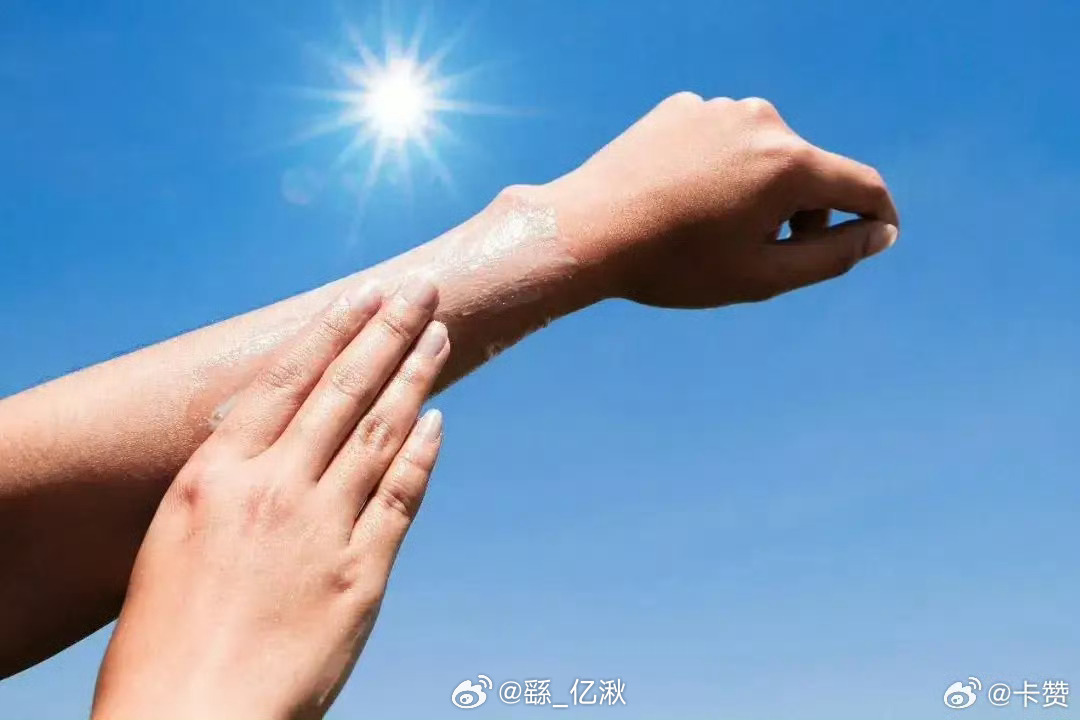
The common misconception about spring having "softer" sunlight can lead to a false sense of security. Even though the sun's rays may feel less intense compared to the peak summer months, UV radiation remains a significant threat, especially during peak sun hours when the sun is highest in the sky. Furthermore, reflective surfaces like water, sand, and even clouds can increase UV exposure, thereby amplifying the risk of skin damage. UV radiation from the sun or artificial sources like tanning beds consists of two main types: UVA and UVB. UVA rays penetrate deep into the skin, causing aging, wrinkling, and age spots. UVB rays, on the other hand, are primarily responsible for causing sunburn and play a key role in the development of skin cancer. Both types of radiation can lead to the formation of genetic mutations that may result in skin cancer.
As people enjoy the outdoors during spring, they are excited to share their outdoor activities and sun-kissed moments on social media using the term "晒晒" (basking in the sun). However, while enjoying the warmth and sunshine, it's essential to remember the potential harm of spring UV radiation and take measures to protect our skin. According to dermatologists, spring sunlight can be just as damaging to our skin as summer sun, even though the temperatures may not be as high. The increased UV radiation during this time can lead to sunburn, premature aging, and even skin cancer.
To ensure we can safely enjoy the sunny weather, we should take preventive measures such as wearing protective clothing, seeking shade, and using broad-spectrum sunscreen with high SPF. Applying sunscreen daily, even on cloudy days, is crucial as UV rays can pass through cloud cover. Also, don't forget to wear sunglasses, wide-brimmed hats, and lip balm with SPF to protect our lips and eyes. By taking these simple steps, we can shield our skin from the harsh spring UV radiation and maintain healthy, glowing skin.
To protect themselves, individuals should apply broad-spectrum sunscreen with a high SPF regularly, wear protective clothing like hats and long-sleeved shirts, and seek shade during peak sun hours. Moreover, donning UV-protective sunglasses and hats can further reduce exposure. Given the risks associated with UV radiation, adopting comprehensive sun protection strategies is vital. This includes using sunscreen, wearing protective clothing, and seeking shade, as well as avoiding tanning beds, which emit UVA radiation and increase the risk of melanoma and other types of skin cancer.
In conclusion, as people enjoy the outdoors during spring, it's crucial to remind them of the importance of taking preventive measures against the harmful effects of UV rays. By understanding the risks and taking simple, practical steps, individuals can safely enjoy the spring sunshine. By embracing these habits, people can bask in the joy of spring while guarding their skin against harmful UV rays, making the most of the season without compromising their health.