China's Psychiatric Hospitals Are Scrubbing the Words Off Their Signs
Psychiatric hospitals in Chenzhou, Fangchenggang and Zhuzhou are dropping 'mental illness' from their names for People's Hospital and Brain Hospital brands — an official 'ice-breaking act' against the stigma that keeps patients from walking through the door, and a sign that mental health is becoming a market China's public hospitals want.
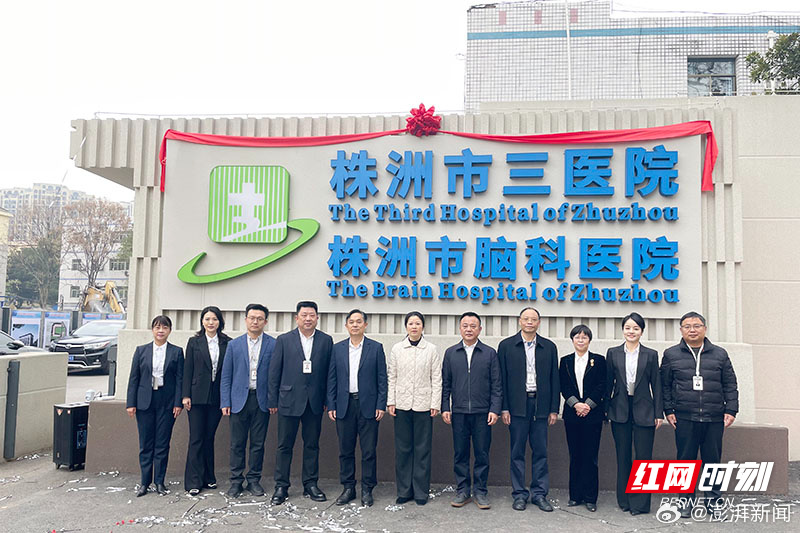
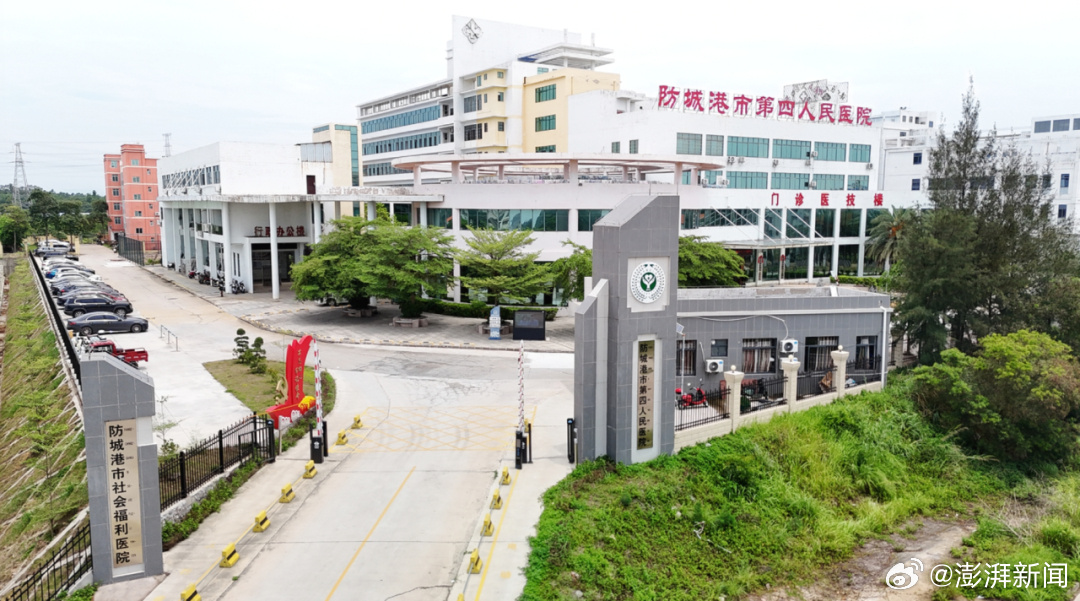
The plaque came down quietly, the way it has in several Chinese cities this summer. Chenzhou's psychiatric hospital is now Chenzhou No. 6 People's Hospital — reapproved by local authorities and announced on September 4 with unusual candor about why: "not just a name change, but an ice-breaking act against illness-shame" (病耻感), the city's official account said. Fangchenggang's psychiatric hospital became Fangchenggang No. 4 People's Hospital in June. Zhuzhou's became "the Brain Hospital." One by one, psychiatric hospitals across China are taking the word 精神病 — mental illness — off their front gates.
The motive is access, and the announcements describe the barrier in detail. In Chenzhou's telling, residents endured severe insomnia or emotional breakdowns rather than walk through a gate marked "psychiatric hospital," afraid of the label more than the disease. Zhuzhou's hospital president, Li Xiaobin, told the local paper that residents with ordinary psychological troubles — or brain-related conditions with no psychiatric dimension at all — hesitated to come, which left medical resources idle and patients untreated while their conditions compounded. In an era when everything gets labeled, Fangchenggang's statement observed, the old name made people keep their distance.
The names were doing real work, the wrong kind. In Chinese, 精神病 remains a common insult, and a family member's psychiatric admission was long treated as something to conceal — hospitals of this type were widely imagined as institutions for the severely ill, a last resort rather than a door to walk through early. That is the stigma the renamings attack: not the medicine, the signage. Several hospitals keep a "mental health center" as a sub-brand on the new plaque, a compromise that lets old patients find them while new ones see something less forbidding.
There is strategy beneath the semantics. The renamed institutions describe a pivot from treating severe mental illness to full-lifecycle psychological services — the shift Chenzhou announced as moving from "treating the already sick" to "treating before illness" — aiming at the underserved middle: people sick enough to need help but wary enough to never accept the old label. They are also, implicitly, competing. China's public hospitals are searching for growth and relevance as their finances fray and even famous institutions cut staff, and mental health is one of the few expanding markets in Chinese medicine. The competition for the worried well — the office worker with insomnia, the school-refusing teenager, the new mother who cannot say why she is crying — is new, and it is the quiet story inside the rebrand.
Skeptics will note that a plaque does not train psychiatrists, and China remains far short of them; the stigma the old name carried lives in society, not on the sign. But the sign is where a hesitant patient meets it first, and the hospitals' own accounts suggest they know it. Whether services and staffing follow the new names will be the test of whether this was destigmatization or marketing — but the direction is legible: mental illness is being moved, plaque by plaque, from the margins of Chinese medicine toward its mainstream.