A Novelist Watched Her Book Become a Short Drama. Almost Everything Was Different.
A web novelist's viral complaint that her book was gutted in adaptation has hit a nerve in China's booming micro-drama industry — the same week regulators moved against platforms that quietly bill elderly viewers for shows they never meant to subscribe to.
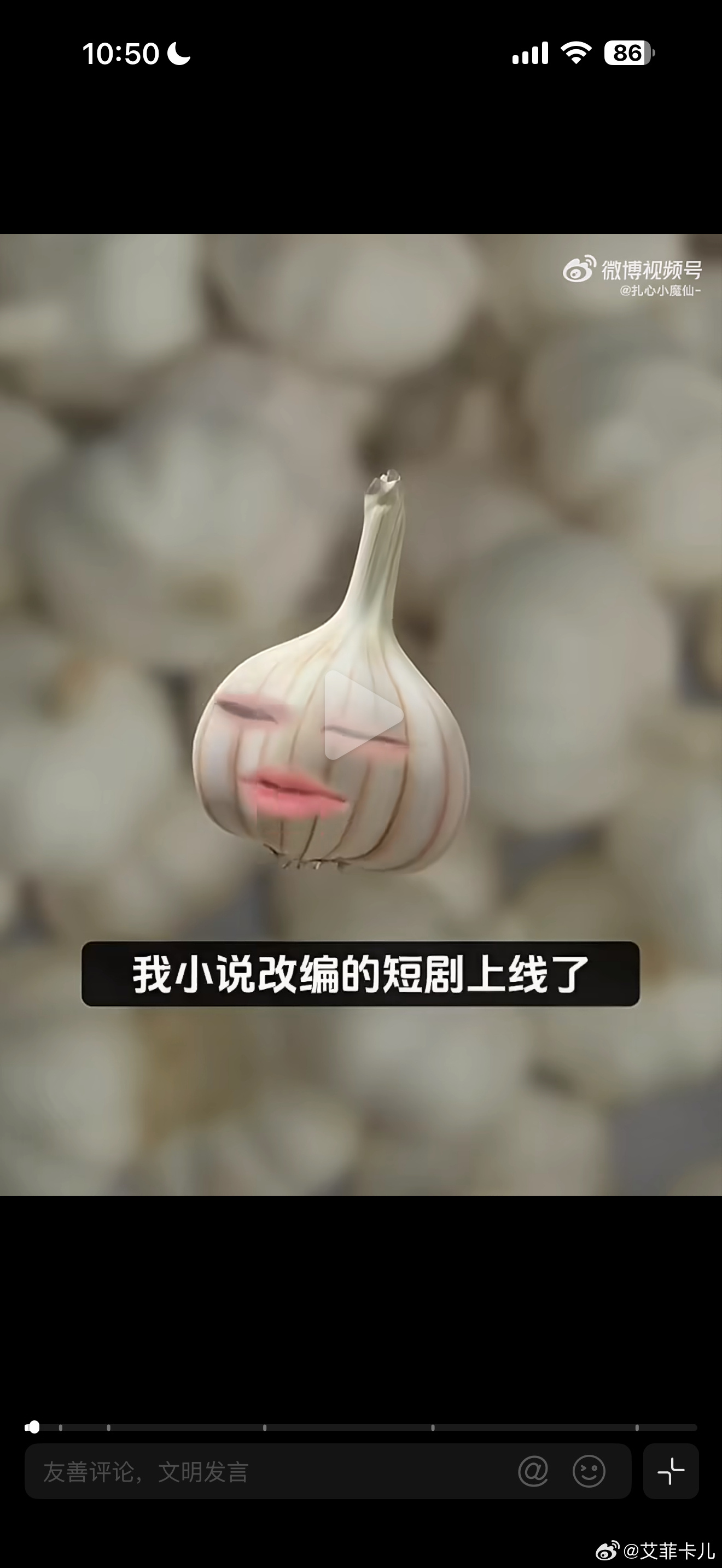
"The good news: my novel has been made into a live-action drama. The bad news: apart from the people, everything is fake." That is how one Chinese web novelist summarised, in a video viewed across Weibo this week, what happened when a production company bought the rights to her book and shot it as a short drama — keeping the protagonist's name and the opening premise, and discarding nearly everything else, including the carefully plotted battles of wits that made the story worth adapting in the first place.
Her grievance is the industry's most fashionable genre's least discussed cost. China's micro-dramas — vertical-screen, minute-long episodes, engineered for swipe-through bingeing — have become a multi-billion-yuan business in under four years, adapted in industrial volume from web novels. The economics reward speed: shoots run days, not months, and scripts are frequently rebuilt around proven formulas of revenge, hidden identity and billionaire romance. Authors who sell adaptation rights say the result is a credit without control: their names appear on shows they barely recognise. "If you were going to change it beyond recognition anyway," one repost asked, echoing the most common comment, "why buy the IP at all?" The writer's own account of the experience has become a template being filled in by others; the poster who shared her video noted that such wholesale rewrites leave authors little legal ground to stand on, since copyright protects the text, not the plot's soul.
The complaint lands at an awkward moment for the industry, which is fighting on several fronts at once. Regulators have already pushed back on AI-generated dramas and now face a billing scandal: Baidu's top boards this week carried the case of a viewer who paid 6 yuan for a five-day drama package, only to discover a 29-yuan weekly subscription quietly deducting from his father's phone — losses running into the thousands of yuan, accumulated by platforms that package recurring charges as one-tap "unlocks" aimed at elderly users who never grasp what they have agreed to. The site has covered the economics of AI-made short dramas and an actress's dispute over short-drama rights before; what is new is that the complaints are converging from every direction — writers, viewers, performers — on a format whose growth has outrun its controls.
For now, the market shows no sign of slowing; the week's other short-drama news was a record-breaking revenue crackdown, not a box-office dip. But the novelist's video has given the industry's critics a symbol with a human face, and a question that China's content boom will have to answer eventually: when adaptation means replacement, what exactly is being bought — and who is being paid for it?