Why Some Slippers in Chinese Supermarkets Carry a Missing Child's Face
A small Zhejiang slipper maker prints missing-children alerts on its supermarket hangtags — portrait, description and a QR code to the Baby Back Home database — and destroys the tag the moment a child is found. Shoppers are buying the slippers deliberately to widen the search.
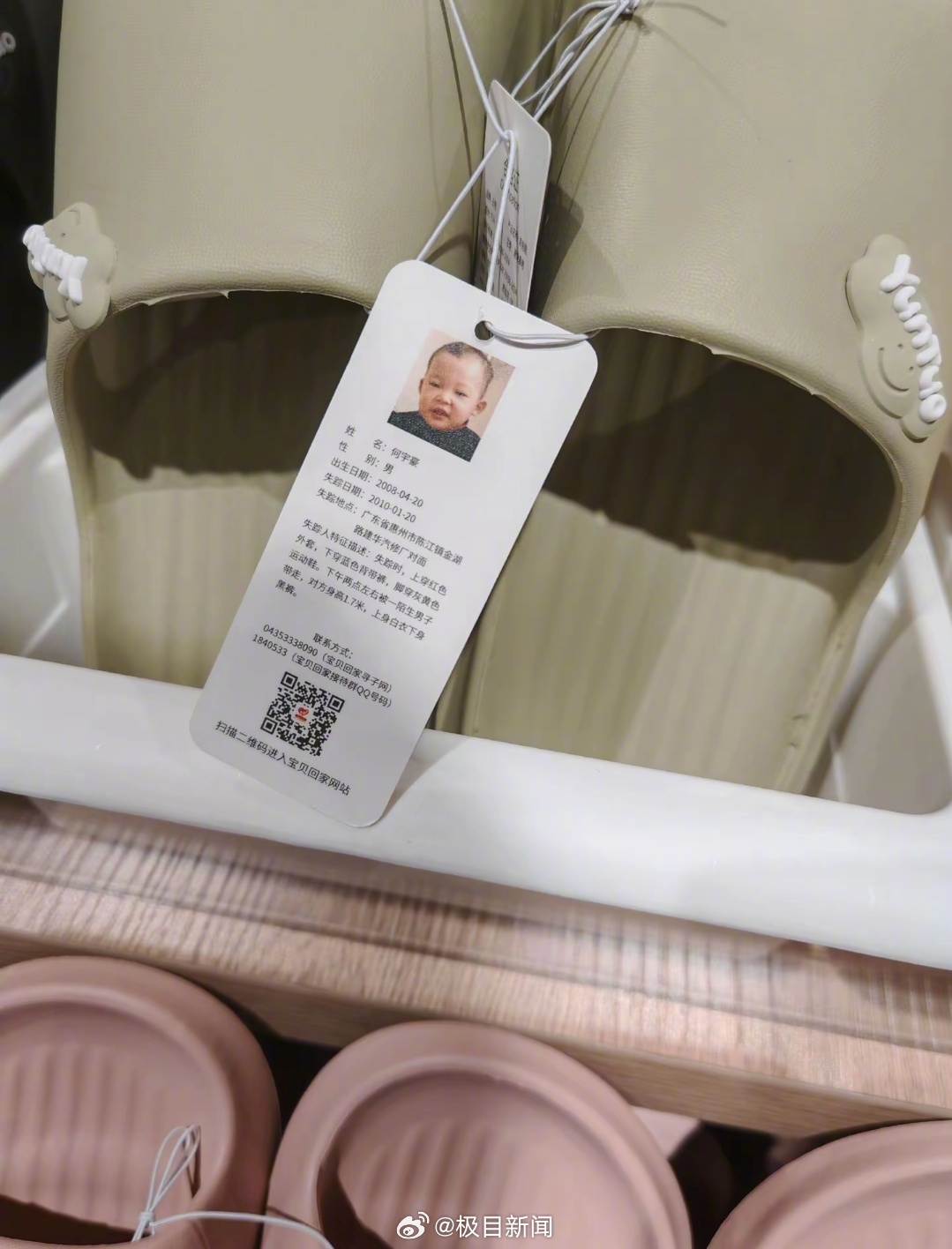
Shoppers at supermarkets in Henan and Shanxi have been noticing something unusual on the shoe racks: ordinary slide sandals carrying a second hangtag alongside the price. The extra tag bears the photograph of a missing child, a physical description, the date and place he or she was last seen, and a QR code linking to the "Baby Back Home" volunteer database.
The slippers are made by a small Zhejiang footwear company called Yuntuo, which has been quietly printing the tags for a while — the trend only took off this week, when a shopper posted about it and the story climbed Baidu's trending board. On Friday the founder, Cai Lei, told Jimu News that the idea came from "Lost and Love", the film starring Andy Lau as a father searching for his abducted son for years. As a maker of cheap household goods sold mainly through offline supermarkets, Cai said, he wanted to use the industry's reach into ordinary neighbourhoods to carry missing children's information into thousands of households.
The tags are drawn from the Baby Back Home platform, the volunteer platform whose database supplies the information on the tags, updated as cases evolve. Cai said the printed information is destroyed as soon as a child is found — the details of Sun Zhuo, whose 2008 abduction and 2021 recovery remain China's best-known reunification case, once rode on these tags and came off after he was found. His father Sun Haiyang's long campaign, which this site covered when his son's kidnapper was due for release, is the template for this kind of consumer-side awareness: the problem is no longer the police's willingness but the public's memory, which fades years after a face stops circulating.
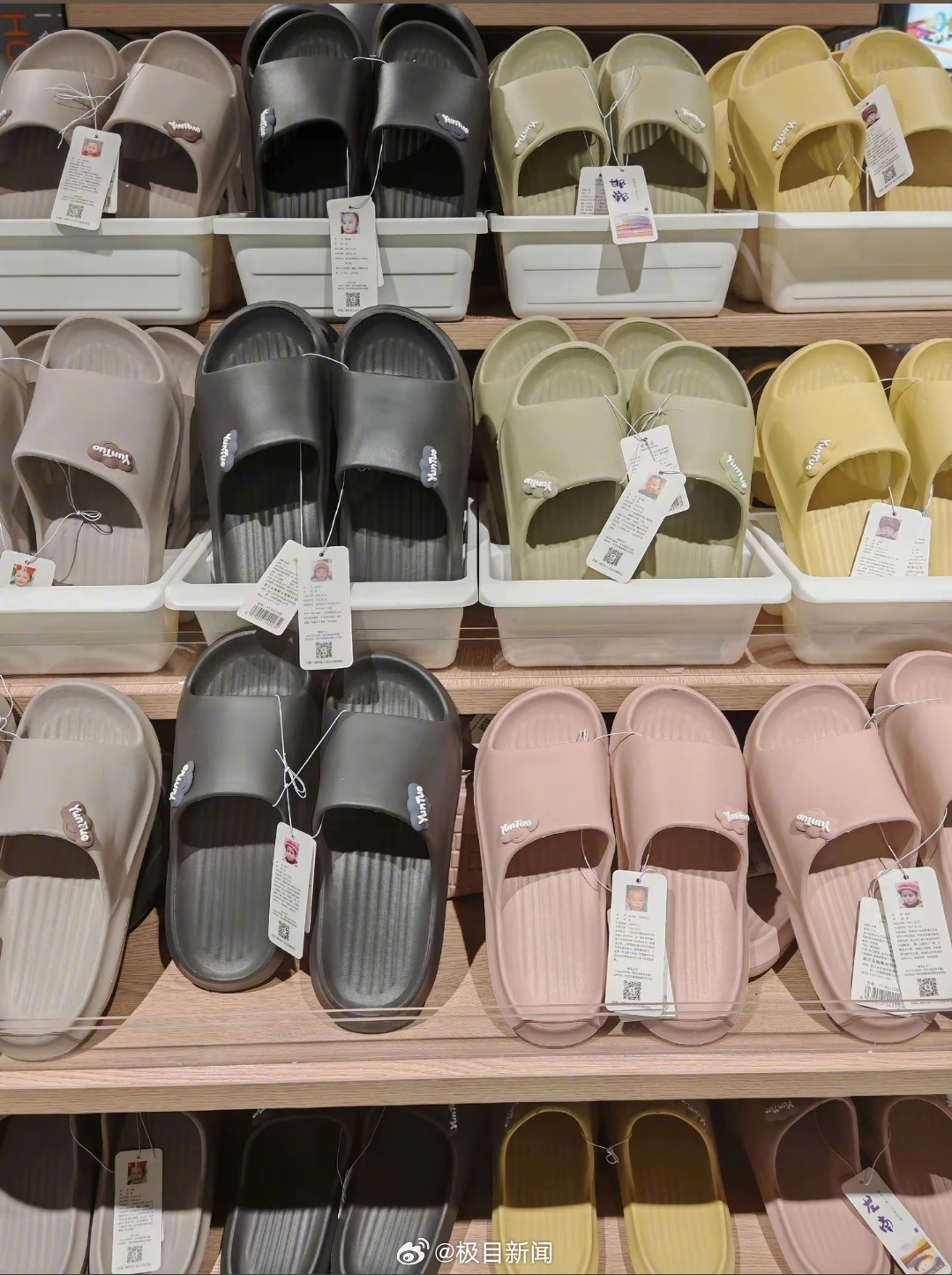
The response online has been strikingly practical. One shopper wrote that the pair she had just bought was her fourth, and that she now heads straight for the slipper rack instead of noticing it by accident: "One more pair of eyes is one more chance of a child going home." A supermarket owner in Taiyuan said she photographed the tags while stocking shelves for her parents, and that the slippers sell well. On Yuntuo's own social media account, which does not sell online, comments are full of the literal request "shang lianke" — put up a purchase link.
Cai said the company covers all the costs of the tags itself and intends to keep the programme running, and is now studying how to sell online without losing the supermarket logic that makes the idea work: the tags only function because a slipper bought in a neighbourhood shop travels into exactly the kind of home a missing child might be found in.