Sore Throat Syndrome" Sparks Concern on China's Weibo Platform
China's Social Media Buzzes with Concerns Over 'Sore Throat Syndrome'
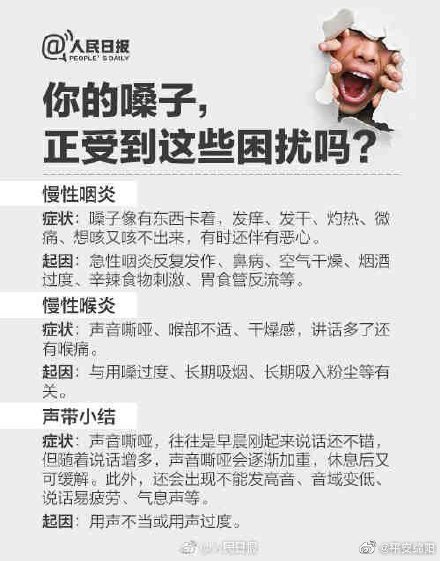
Recent posts on China's Weibo social media platform are abuzz with concerns over a mysterious condition causing significant throat pain, prompting users to share their experiences and advice with each other. Known colloquially as "Sore Throat Syndrome," the condition has yet to be officially recognized or diagnosed by medical professionals, but the growing number of sufferers has sparked alarm and discussion across the country.
The symptoms of Sore Throat Syndrome, as described by Weibo users, include a feeling of something being stuck in the throat, dryness, a burning sensation, and pain that intensifies with talking. Some users have also reported difficulty swallowing, hoarseness, and changes in voice range. In extreme cases, this seemingly benign condition may be indicative of a more serious underlying health issue, including laryngitis or even the life-threatening condition epiglottitis.
While the precise cause of Sore Throat Syndrome remains unknown, some Weibo users have speculated that it may be linked to overuse of the voice, poor diet, or environmental factors such as long-term exposure to air pollution or airborne irritants. Others have suggested that it could be a side effect of the COVID-19 pandemic, as many people have spent extended periods of time wearing masks and singing loudly at home to cope with the stress of lockdown measures.
Health experts caution that while a sore throat is a common symptom of many viral infections, including the common cold and flu, it should not be dismissed as harmless. The epiglottis, a flap of cartilage that prevents food and drink from entering the windpipe, can become inflamed and swollen due to infection or injury, leading to a life-threatening medical emergency if left untreated.
"Facebook users are advised to take any persistent or severe throat pain seriously and seek medical attention," urged Dr. Zhang Wei, a leading ENT specialist at Beijing's Tongren Hospital. "While it's unlikely that Sore Throat Syndrome is a widespread public health issue, it's still important for individuals to pay attention to changes in their health and to seek proper medical care if necessary."
To help alleviate symptoms of Sore Throat Syndrome, some Weibo users have shared home remedies such as gargling with warm saltwater, drinking plenty of fluids, and avoiding spicy or acidic foods. Others have recommended over-the-counter medications like lozenges or throat sprays to soothe irritation and reduce inflammation.
Despite the lack of official medical recognition, the outpouring of concern and support on Weibo highlights the power of social media as a tool for sharing information and fostering community in times of uncertainty. With millions of users across China sharing their experiences and advice, the conversation around Sore Throat Syndrome is helping to raise awareness of the importance of maintaining good health and seeking timely medical attention when needed.
As the discussion around Sore Throat Syndrome continues to grow, medical professionals and researchers are encouraged to investigate this mysterious condition further, to better understand its causes and potential health risks. In the meantime, individuals experiencing persistent or severe throat pain should not hesitate to seek medical attention, as early diagnosis and treatment can be crucial in preventing potentially life-threatening complications.
(This article was written based on information available through Weibo social media posts, and does not represent the official stance of any medical or governmental organization. For accurate medical advice, please consult a licensed healthcare professional.)