Travel Frog Is Shutting Down: China Bids Farewell to a Game About Waiting
Travel Frog: China Journey, the localized edition of the Japanese game that captivated Chinese players in 2018 with a frog that travels alone, will stop operating on December 8 after its IP licensing deal expired. Weibo is mourning — and admitting it stopped playing years ago.
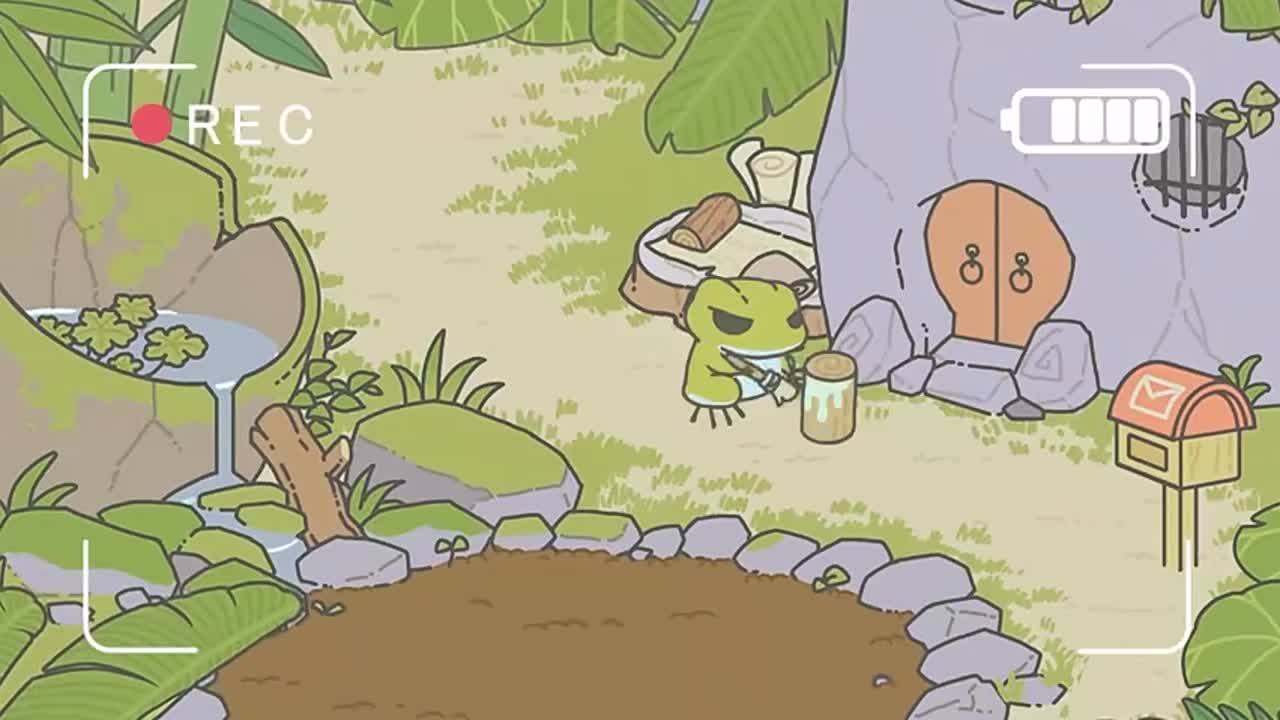
The frog is leaving, and this time it will not come home. On Monday, the official account of Travel Frog: China Journey announced that the game will stop running on December 8, its server data wiped, because the licensing deal behind the Chinese edition has expired. In-app purchases were switched off the same day, and a refund plan will return money for clover bought with real money in the three months before charging stopped — clover being the game's sole currency, gathered by players who mostly just watched it grow.
For anyone who missed 2018, that premise needs explaining. Travel Frog (旅かえる, "frog journey") is a Japanese mobile game in which you do not really play so much as prepare: harvest clover to buy your frog's lunch, pack its bag, and then wait. The frog travels on its own, sends postcards, sometimes brings back a souvenir, often brings back nothing. At the peak of the craze, millions of Chinese users — many raised on games built around daily quests and leaderboard anxiety — discovered a product whose central mechanic was absence, and called it healing. The localized China Journey edition followed, with the frog touring the country's real landmarks.
The shutdown announcement, quoted in full by Dongfang Caijing, kept to the game's own register. It thanked players for gathering clover, packing bags, waiting for the frog to come home and rejoicing over each postcard — and then delivered the plot twist in the style of the game itself: "This time, the little frog is setting out on a long journey, with no date of return." A Baidu trending entry noted the practical corollary: when the servers close in December, every account and character goes with them.
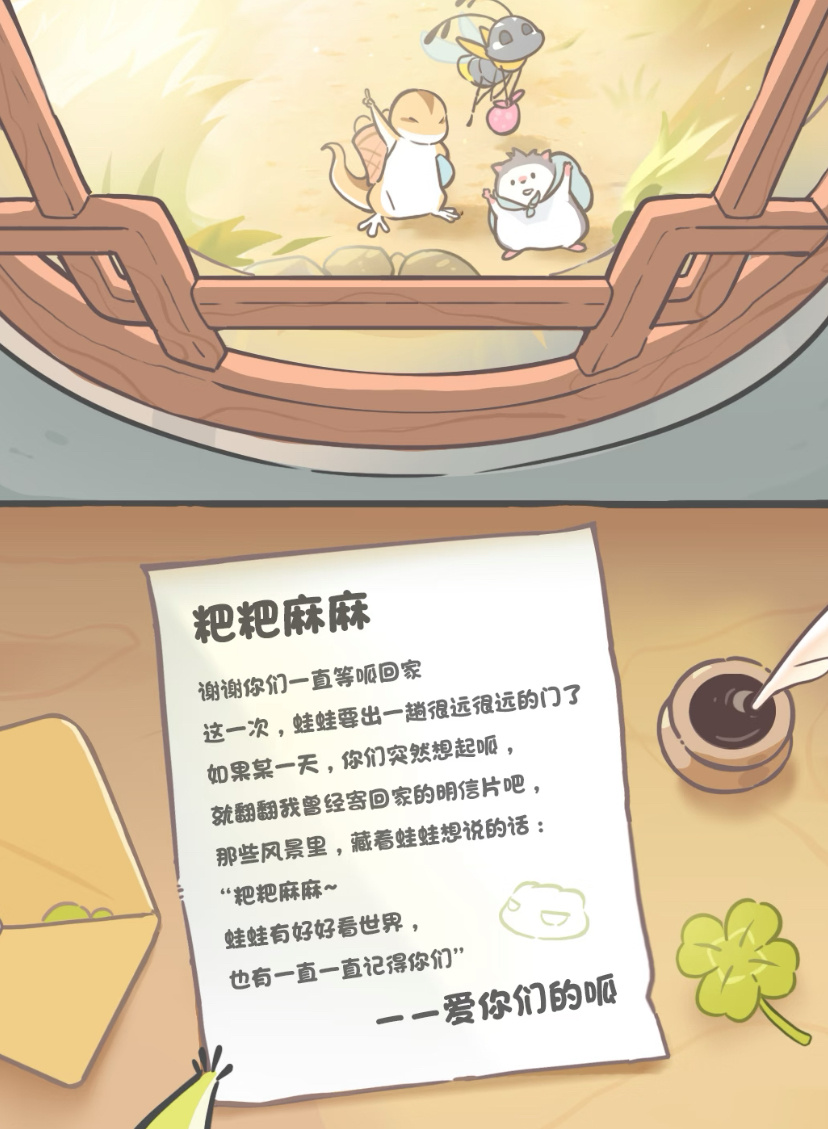
The reactions are a small anthropology of what the game meant. "It was really a phenomenon back then — everyone around me was playing," one user wrote. "What a rueful ending." Another called it "a healing little game, for so many years — truly tears of the era" (时代的眼泪), a phrase Chinese internet culture reserves for things that defined a period and then quietly date-stamp it. Not everyone is grieving: on the trending thread, a fair number of users admitted they had not opened the game in years, and one asked the question underneath the whole story — how many people are still playing a 2018 game in 2026?
The answer matters less than the timing. The frog outlived the casual-games boom that carried it, several editions of the phone it lived on, and now its own licensing agreement — a reminder that in China's app economy even a game about waiting patiently is subject to a contract. Players have three months and one final wait: to open the app once more before December 8, and let the frog come home to an empty room.