Unstable Supply: Clinical Doctors Reveal the True Situation of Original Research Drug Shortages for Hypertension in China
The NYT article will explore the revelation by clinical doctors in Shanghai about the true situation of the shortage of original research drugs for hypertension, including the unstable supply of imported drugs and the difficulty patients face in obtaining the necessary medication. According to multiple clinical doctors from top hospitals in Shanghai, despite the notification that they can prescribe original research drugs, many patients still struggle to access the imported medication they need. The primary reason for this shortage is the unstable supply of original research drugs, which often leads to a shortage of stock, even when it is available. This situation not only affects the continuity of patient treatment but also increases the difficulty of finding alternative medications.
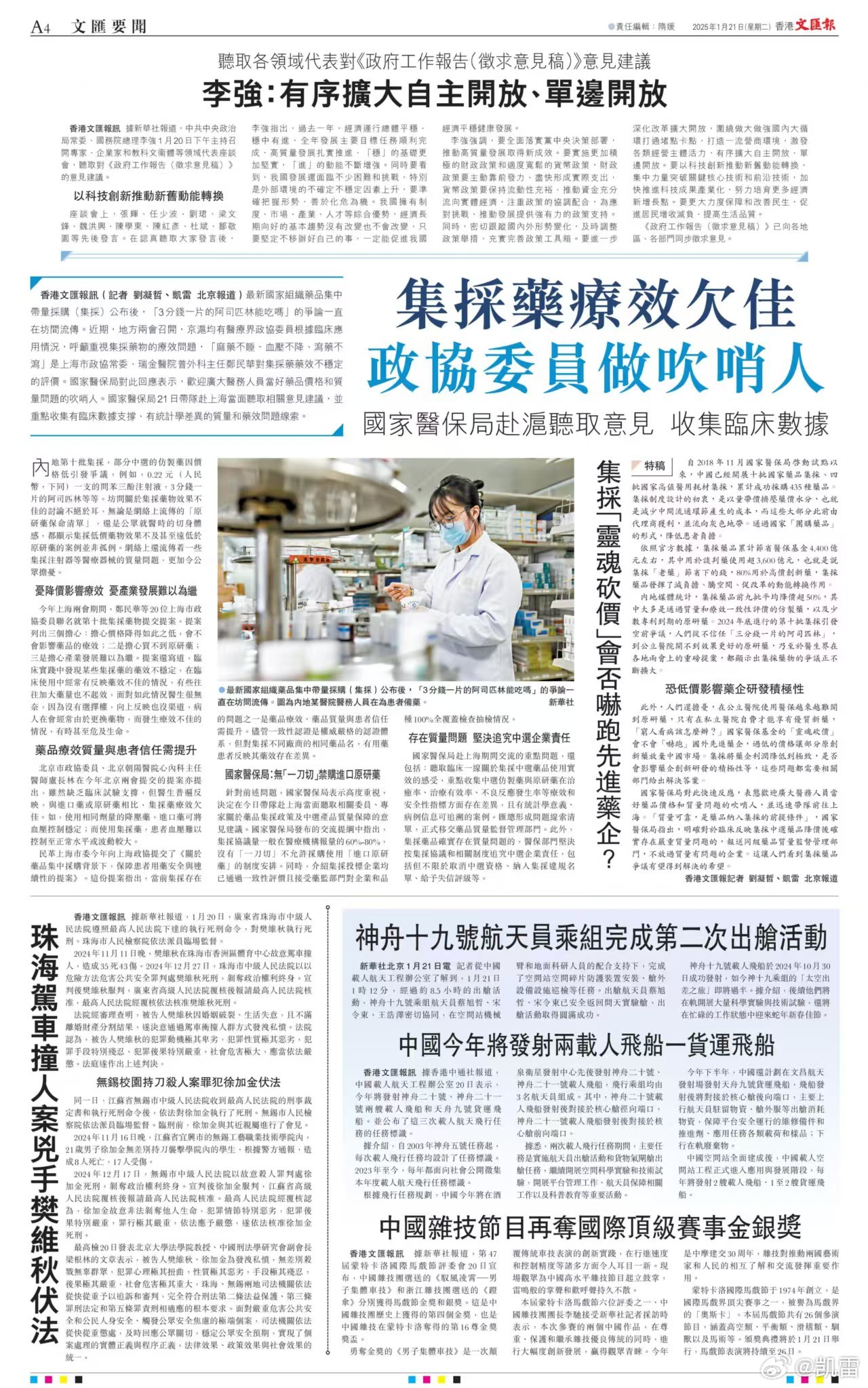
For instance, a popular hypertension medication, "络活喜" (a drug developed by Pfizer), is often in short supply, and doctors may not be able to prescribe it to patients due to the limited stock. Another doctor mentioned that even when the medication is available, it may be in short supply, leading to a situation where patients have to visit multiple hospitals to try their luck in getting the medication they need. Furthermore, the shortage of original research drugs has also raised concerns about the quality of the medications available. While some doctors argue that the quality of generic drugs is not inferior to that of original research drugs, others express concerns about the efficacy of these medications.
In recent days, a message circulating online stated that Shanghai hospitals have been notified that they can prescribe original medications for high blood pressure. However, some patients who visited hospitals reported that they were still unable to obtain the import drugs they needed. To understand the situation, our reporter interviewed several clinical doctors from top-tier hospitals and community hospitals in Shanghai. The doctors revealed that while there are over a dozen types of original medications for high blood pressure that can be prescribed in major hospitals, the mechanisms and efficacy of these drugs vary. Some popular medications, such as Pfizer's "络活喜" (Amlodipine Besylate), are indeed in short supply, leading to situations where no medication is available for patients.
One hospital representative stated, "For example, we don't have '络活喜' today, but we have '代文' (Valsartan Capsules), and some other medications." The representative emphasized that the main problem is the unstable supply of original medications, which can lead to situations where only a few types of medications are available, or even none at all. Clinical doctor Li Bing from a top-tier hospital's cardiology department explained, "Previously, it wasn't that we couldn't prescribe original medications at all. We can prescribe around ten types of import medications for high blood pressure. The main issue now is that we cannot guarantee a stable supply. Sometimes we have only four or five types, and sometimes we have none. The availability of import medications is unpredictable, and patients may need to take alternative medications."
Li Bing also mentioned that some patients may need to visit multiple hospitals to find the medication they need, which can be challenging for those who rely on import medications for their treatment. In addition, a responsible person from a community hospital in Shanghai stated, "Although we have a certain proportion of original medications, we generally guarantee the supply for our contracted residents." Multiple clinical doctors from Shanghai's top-tier hospitals and community hospitals have come forward to share their insights on the true situation of the shortage of original research drugs for hypertension. Despite receiving notifications that they can prescribe these medications, many patients are still unable to access the necessary imported drugs due to unstable supply and high demand, which leads to rapid depletion of stock.
According to doctors, some popular hypertension medications, such as Pfizer's "Lopressor" (metoprolol), are in short supply, resulting in a situation where "no medication is available" in ordinary clinics. A hospital staff member revealed that while some high-blood-pressure medications are available, the supply of specific varieties is not guaranteed. For instance, "Lopressor" might be out of stock in the clinic, while another medication, "Diovan" (valsartan), is available. A doctor from a top-tier hospital, who wished to remain anonymous, noted that the main problem is the unstable supply of original research medications, which cannot be guaranteed. Even if the hospital has a certain amount of medication in stock, it may be depleted quickly due to high demand.
This issue has been ongoing for some time, with some patients unable to obtain their prescribed medication for several months. Another doctor pointed out that some patients may be able to find the medication they need at community hospitals, but this requires them to visit multiple hospitals and rely on luck. A community hospital representative stated that while they have a certain allocation of original research medications, they prioritize supplying their contracted residents. The shortage of original research medications has also been attributed to the public's perception of imported medications being superior to domestic alternatives. This perception has led to increased demand for imported medications, which can quickly lead to stock depletion.
Several hospital directors noted that the shortage of imported medications is also due to the hospitals' task of completing the supply of domestic generic medications. If all patients were prescribed imported medications, the hospitals would be unable to fulfill their quotas for domestic medications, leading to a reduction in imports and a subsequent shortage. In conclusion, the shortage of original research medications for hypertension is a complex issue, influenced by factors such as unstable supply, high demand, and public perception. Clinical doctors have revealed the true situation of this shortage, highlighting the need for a more stable and reliable supply chain to ensure the continuity of patient treatment.
The issue of high blood pressure original research drug shortages is a pressing concern in China. Clinical doctors have disclosed that despite the availability of original research drugs, the supply is unstable, and many patients are unable to obtain the medication they need. The root cause of the problem lies in the inconsistent supply of original research drugs, which can lead to a shortage of medication, affecting the continuity of treatment and making it challenging for patients to find alternative medications. The situation is further complicated by the fact that some hospitals have a quota for prescribing domestic generic drugs, making it difficult for doctors to prescribe original research drugs even when they are available.
This has led to a situation where patients are forced to seek alternative medications, which may not be as effective, or visit multiple hospitals in the hope of finding the medication they need. The article highlights the need for a stable and reliable supply of original research drugs to ensure that patients receive the best possible treatment. It also emphasizes the importance of addressing the underlying issues driving the shortage, including the quota system for generic drugs and the inconsistent supply of original research drugs. Ultimately, the goal should be to provide patients with access to the medication they need, regardless of whether it is an original research drug or a generic alternative.
This requires a coordinated effort from healthcare providers, pharmaceutical companies, and government agencies to ensure that the supply of medications is stable, reliable, and meets the needs of patients. The article also raises questions about the impact of the current system on the development of new drugs and the potential consequences for patients who are unable to access the medication they need. It is essential to consider these factors when developing policies and solutions to address the shortage of original research drugs. In summary, the article sheds light on the complex issues surrounding the shortage of high blood pressure original research drugs in China and highlights the need for a comprehensive approach to address the problem. By understanding the root causes of the shortage and working together to find solutions, it is possible to improve access to medication and ensure that patients receive the best possible treatment.