WeChat's 'Who Deleted You' Pop-Up Is Real — But Only If Your Friend List Is Full
Screenshots of a WeChat feature that lists which contacts have deleted you went viral, drawing tens of thousands of likes — but Tencent says the pop-up only appears when a user hits the app's 10,000-friend limit, and there are no plans to give ordinary users a way to check.
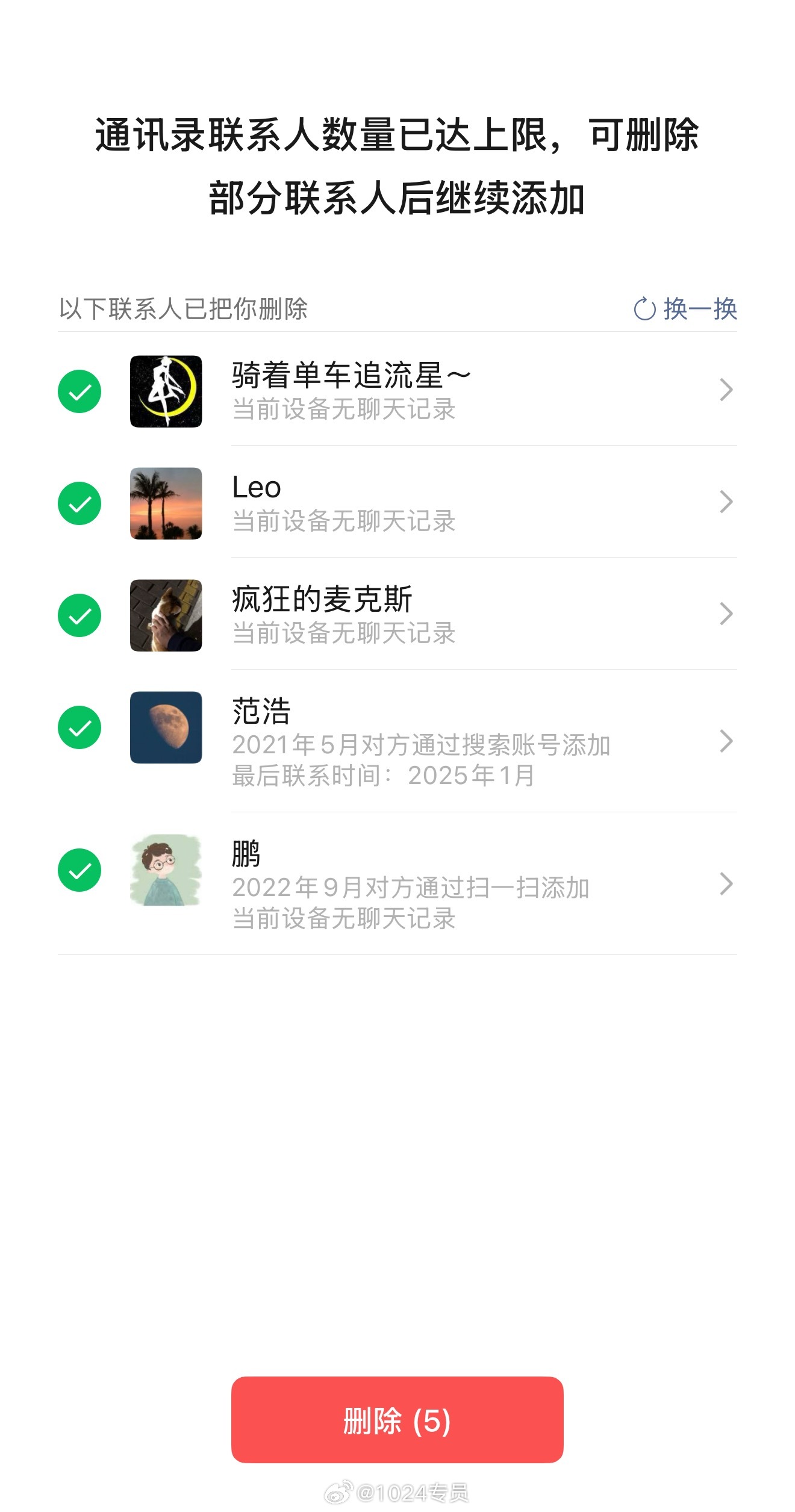
A screenshot of WeChat quietly listing the contacts who have deleted you set off one of the week's livelier debates about digital friendship. The image shows a pop-up titled "Contacts have reached the limit, you can delete some contacts to continue adding," followed by a section headed "The following contacts have deleted you" — five accounts with green checkmarks and a red button offering to "Delete (5)." The post that spread it, from a tech-focused account, has been liked more than 38,000 times.
The hope it stirred was blunt: that WeChat would finally reveal who among your hundreds of contacts has vanished from their side of the friendship. "Once your friend list is full, the system tells you which people deleted you, and you can remove them in one go," the post read.
Tencent has since poured cold water on the idea of a general feature. Customer service said the pop-up is not something ordinary users can call up: it only appears when a contact list hits the app's ceiling of 10,000 friends and the user tries to add someone new, at which point WeChat surfaces some of the dead contacts so they can be batch-cleared to make room. Checking who has deleted you, the company said, remains unsupported for everyone else — a tech account summarising the response noted the request has been filed but there are no plans to build it.
The distinction matters because deletion on WeChat is usually a one-way door. Removing someone severs only your own side of the connection, while the other person keeps your chat history and an intact-looking contact card — until the day they message you, or try to send money, and discover the link is gone. The asymmetry has bred a whole etiquette of quiet checks. The widely shared summary lists the standard workarounds: attempt a transfer, or build a group chat without sending anything, both of which expose a deletion without leaving a trace the other person would notice.
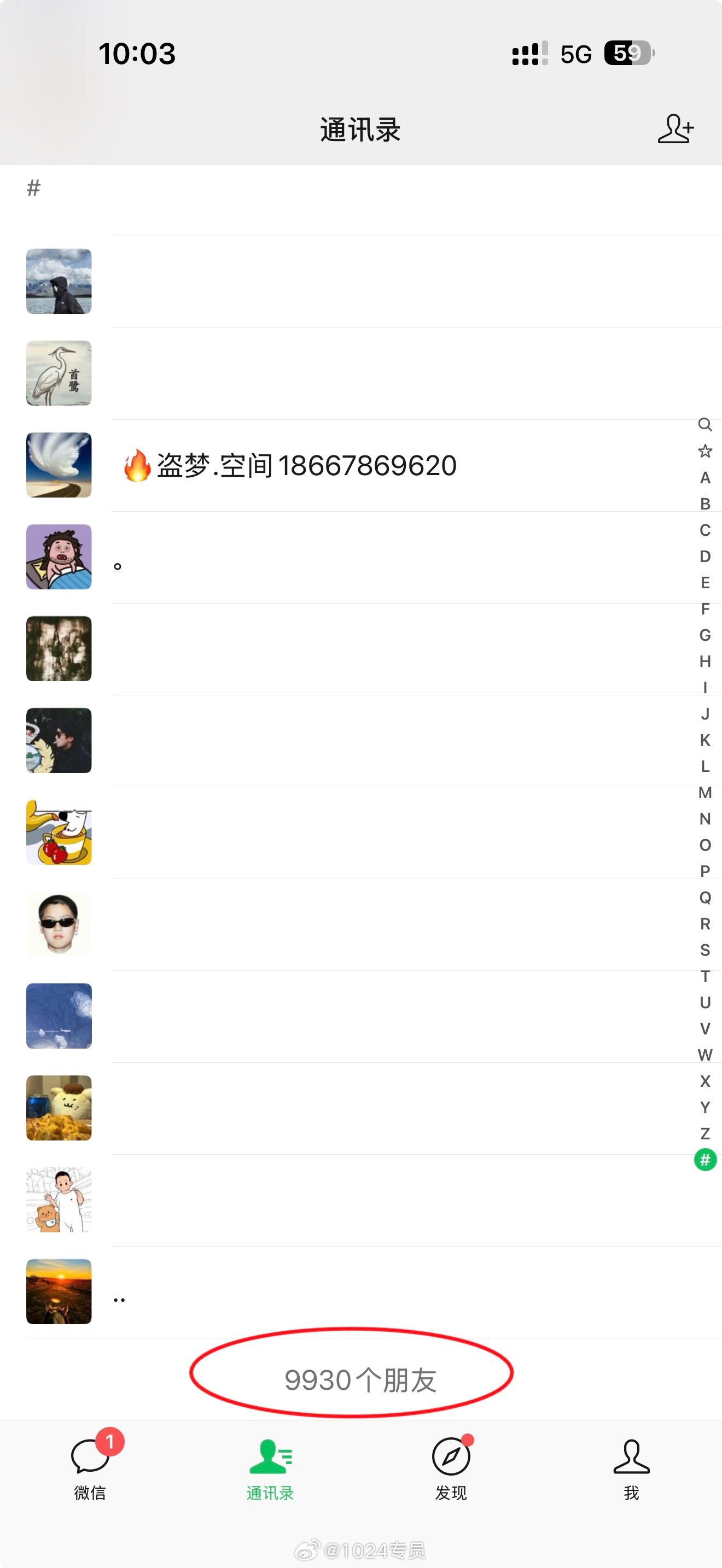
There is a logic to the restraint: WeChat's designers have generally declined to expose the social graph to probing, and the topic topped Baidu's search board on September 3 alongside news of other new features — a shortcut for seeing all unread conversations and a reminder for unclaimed red packets — that fix the opposite problem, messages people genuinely missed.
For the vast majority of users nowhere near 10,000 friends, then, nothing changes: the people who have deleted them will stay invisible, discoverable only one transfer attempt at a time.