Why Women Should Keep Their Thoughts on Not Getting Married Private
In today's society, women's choices and decisions are receiving increasing attention and discussion. One of the most important aspects of this discussion is the choice of marriage. Some women may face pressure from society, family, and internal expectations to get married and have children. However, not all women have the desire or readiness to marry. This article aims to discuss the social pressure and personal choice surrounding women's decisions not to marry.
Recently, actress Qin Lan expressed her views on marriage in an interview, stating that marriage is not a necessary path for women. This statement sparked widespread discussion and resonance. Qin Lan's attitude towards love and marriage is "to take things as they come, without forcing it," and she opposes the idea of "getting married just for the sake of getting married." This attitude reflects the changing attitude of modern women towards marriage, as they increasingly focus on their careers and personal achievements rather than just pursuing marriage as a life goal.
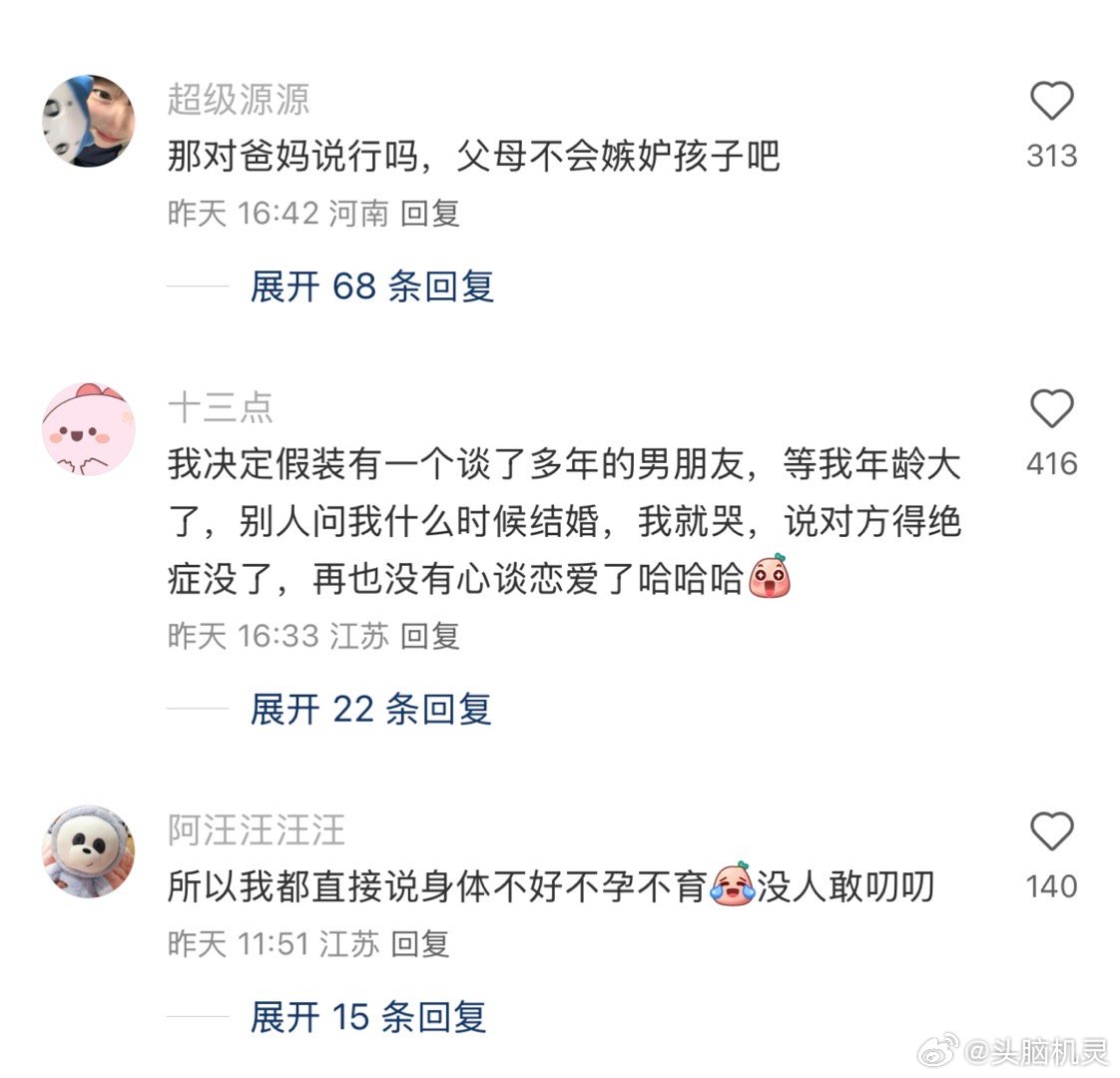
However, why should women not easily reveal their thoughts on not getting married? This is because there is still prejudice and pressure against unmarried women in society. If women express their desire not to marry, they may face questioning and blame from family, friends, and even colleagues. This is not just a personal issue but also a social issue related to values and concepts. Women's choices and decisions should be respected and understood, rather than criticized and interfered with.
Furthermore, women face various challenges and obstacles in their careers and personal development. Marriage and childbirth may affect women's career development, especially in certain industries and professions. Therefore, women's choice not to marry may also be driven by considerations for their careers and personal growth.
The issue of single women in China is complex and multifaceted, with no easy solution. However, by sharing their stories and experiences, single women are helping to break down social stigma and challenge traditional norms and expectations. Ultimately, being single is a valid and empowering choice, and women should be free to make their own decisions about their lives and relationships.
In today's complex society, it is essential for individuals, especially women, to be cautious when sharing their personal information, including their thoughts on marriage. The pressure to conform to societal expectations can be overwhelming, and revealing one's true intentions can lead to unwanted attention, judgment, or even discrimination. By being more selective and strategic in their sharing, women can protect themselves from potential backlash, maintain their autonomy, and make choices that align with their values and goals.
It is also essential to recognize the diversity of marital concepts and the importance of protecting personal privacy. While it is natural to desire intimacy and understanding in a romantic relationship, it is crucial to maintain a healthy distance and not reveal every aspect of one's life to their partner. There are certain personal secrets that women should avoid sharing with their partners, such as past experiences of not being cherished, family secrets, and inner emotional wounds. Sharing these secrets can lead to unintended consequences, such as emotional manipulation, hurtful comments, or even the breakdown of the relationship.
Ultimately, every individual has their own secrets and boundaries, and it is crucial to respect those limits in a romantic relationship. By keeping certain secrets private, women can maintain their autonomy, self-respect, and emotional well-being, even in the most intimate of relationships. As the single women's movement gains momentum, with more women speaking out about their experiences and demanding respect and recognition for their choices, it becomes increasingly important for women to be aware of the potential consequences of sharing their personal information and to take steps to maintain control over their personal narrative.