China's Background-Check Industry Is Selling Job Applicants' Private Records for 30 Yuan
An investigation by Southern Metropolis Daily found firms offering marriage, loan and social-insurance lookups — even court records that were never public — turning China's hiring background checks into a gray market for personal data.
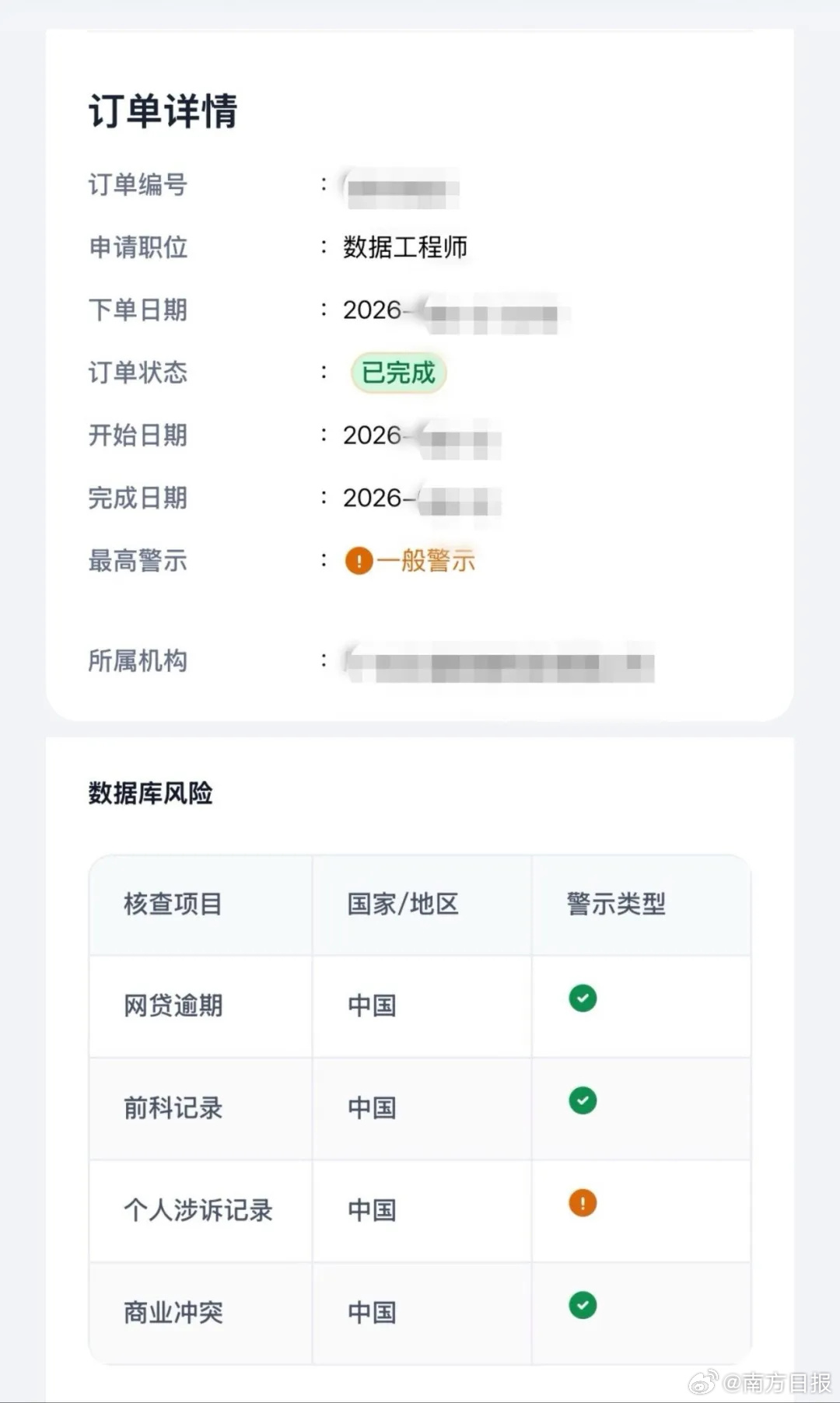
To get hired at a Chinese tech company, a candidate expects the background check: verification of a degree, a title, an employment history. What an investigation by Southern Metropolis Daily found behind that routine is a market in the rest of a person's file. For 30 yuan — about four US dollars — several firms offered reporters a job applicant's marriage status and social-insurance records. Some claimed access to court case files that have never been made public, saying they had "interfaces with the relevant departments."
The reporting began with a cautionary tale. A big-data engineer identified as Mr. Wang received an offer from a major tech firm, then watched it collapse when his background check lit a "yellow light" over a lawsuit involving a traffic accident — a case whose judgment was never published and in which his name was never fully disclosed. "I don't know how the background-check company located it," he told the paper; the case, moreover, had nothing to do with the job.
When reporters called around in mid-August, the salesmen were candid. One data studio described its method as working "the outer net," with technology "roughly a hacker's." Another explained that China Judgements Online, the official court-decisions database, had grown too restrictive to be useful, and that they pulled records "directly through a court interface" — a claim that, if true, points at leaks inside the judiciary itself, though the firms offered no proof. Under the rules governing the courts' document system, unpublished judgments may be consulted only by the parties and their lawyers.
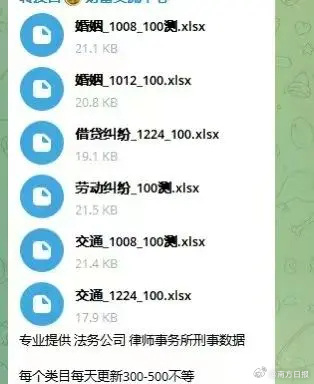
To test the pipeline, the paper spent 195 yuan with a person's consent and received a full dossier: social-insurance history, an unpublicized lawsuit, the works. The screenshots the paper published read like a takeaway menu — spreadsheets labeled "marriage," "loan dispute," "labor dispute," "traffic," under a tagline promising professional provision of what the platforms will not sell.
The story has been living on Zhihu's trending board for a day, where the question is blunt: how do these companies get the data, and is the trade criminal? Lawyers answering under the item point to China's Personal Information Protection Law, which criminalizes selling or providing personal information without consent — and note the sting in the situation: the candidate is the data's lawful owner and the last person asked. The hire that started it all was lost to a yellow flag; the dossier trade that flagged it runs on open credit. Neither the courts nor the platform companies have yet said whose interface it was.