The '20-Minute Effect': Why China's Office Workers Disappear to Their Parked Cars at Lunch
A three-word post about the '20-minute effect' — the reset workers feel sitting alone in their parked cars at lunch — became one of Weibo's most-shared posts of the day, drawing both confessions and, inevitably, car marketing.
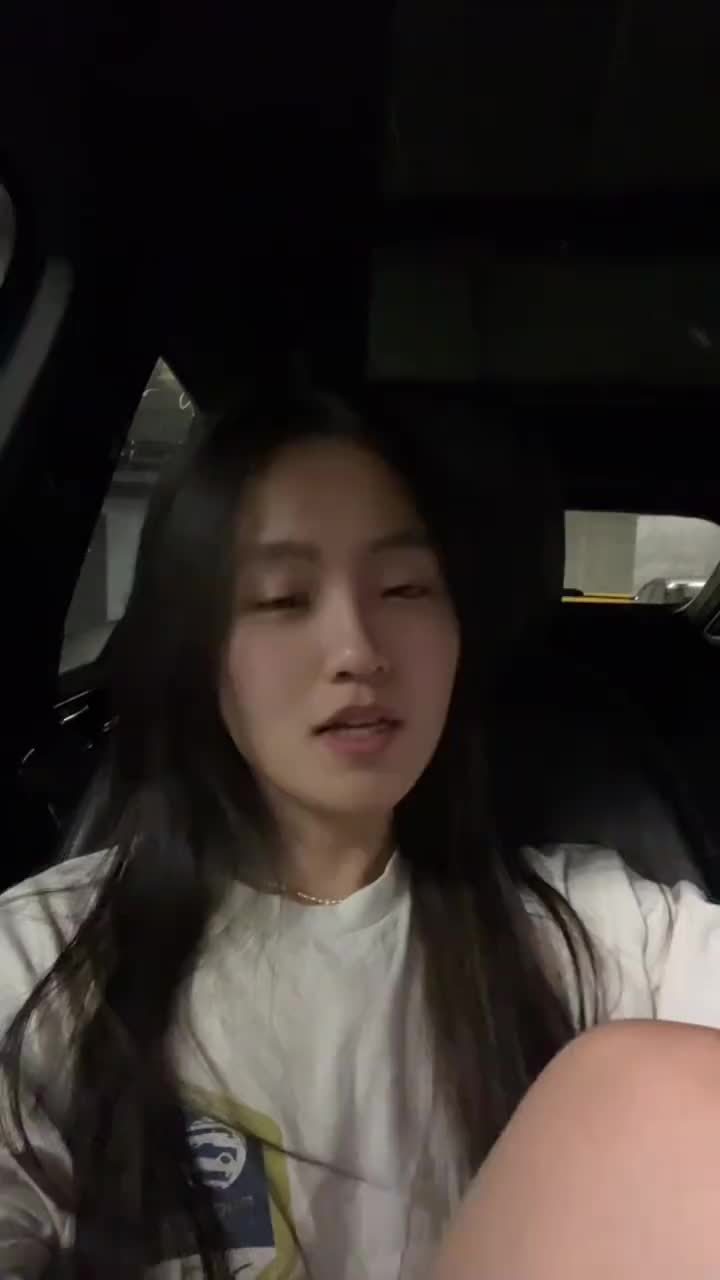
On Wednesday afternoon a Weibo user posted three words and three pictures: 突然理解了车内20分钟效应 — "Suddenly, I finally understand the 20-minutes-in-the-car effect." Within hours the post had drawn more than 1,700 likes and hundreds of reposts, and the phrase had climbed onto Weibo's trending list. The "effect" needs no explaining to anyone who has worked in a Chinese office: it is the twenty minutes some workers spend alone in their parked car in the middle of the workday, doing nothing at all.
The most-shared explanation framed it as boundary-setting rather than laziness. One widely shared post put it: "Even resting at your desk, the screen and the message alerts keep your nerves pulled tight — you never truly relax. Sitting in the car with the door shut physically cuts the connection to work. For twenty minutes you answer nothing and touch nothing, and the switch of scene lets stress hormones fall. Plenty of people would rather go downstairs to the car than nap at their desks — it is a short-term emotional harbor."
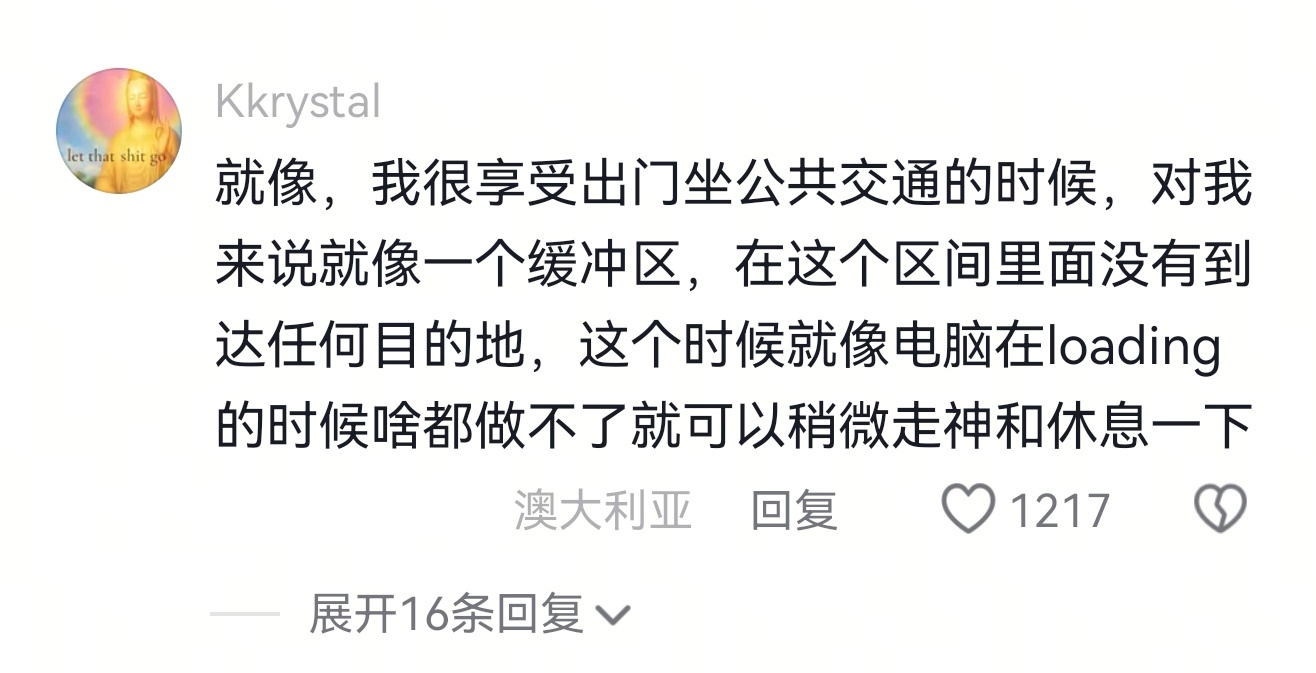
The feeling is older than the phrase. Lunchtime napping is institutional in China — schoolchildren sleep head-down on their desks, and offices dim the lights after the midday meal — and cities have been formalizing it: Shenzhen schools have been outfitting classrooms with reclining "nap chairs," as we covered last month. The parked car is the adult version of the same instinct: dark, quiet and, crucially, not the office. One comment that circulated under the viral post, from a Chinese professional now living in Australia, described the same instinct attaching to any in-between space: "In this interval I haven't arrived at any destination yet. You can just let your mind wander and rest a bit."
The automakers have noticed. Luxeed, the electric brand Chery builds with Huawei, has been running the hashtag hard, promoting the R7's "zero-gravity" seat — a one-touch nap mode with 10–40Hz low-frequency "singing-bowl" vibration, pitched as therapy for ears and body at once. As one auto-industry blogger argued, the phrase marks a real shift in design logic: cars were once engineered around driving, and are now being engineered around "the full scenario," including the parked-and-resting one. Luxeed has booked a launch event for September 28 to demonstrate the seat in person.
The hashtag's provenance deserves an honest note: its most detailed posts arrive from accounts promoting the very seats that promise the feeling. But the post at its center advertised nothing — one person, a shut car door and twenty unclaimed minutes, which is precisely the scarcity the marketing is selling back.