'Buy Long, Ride Short': Why China's Holiday Travelers Are Paying for Seats They Never Use
With direct tickets gone for the National Day rush, third-party platforms are advising passengers to book past their destination and forfeit the difference. The railway's answer — submit a waitlist and wait — has not calmed anyone.
The actor Cao Zheng spent a week trying to buy a high-speed rail ticket for the National Day holiday and failed. What a booking platform offered him instead — a ticket to somewhere he was not going, at a price he had not planned to pay — became a national talking point two days before the holiday began.
The practice is called "buy long, ride short" (买长乘短): when the direct fare to your destination is sold out, a platform will sell you a seat to a station beyond it, and you get off early, forfeiting the fare for the segment you never ride. China News Weekly tested the trick on October 1: every class of ticket on the G1896 from Xi'an North to Zhengzhou East was gone, and the booking page proposed buying through to Sanmenxian station in Zhejiang — fourteen stops and 609.5 yuan further — then alighting in Zhengzhou. Reporters found the recommendation across multiple third-party platforms, and Cao's complaint resonated because so many travelers recognized it.
The state ticketing system's response poured a thin balm on the problem. A 12306 customer-service representative said the railway does not recommend buying long to ride short: the unused segment is never refunded, and phantom passengers distort the demand data that decides how trains are allocated. The official advice is to submit more waitlist orders and wait — which is precisely what failed the man who started the debate.
Underneath the argument is an allocation rule most riders meet only when it frustrates them. At peak periods the railway reserves tickets for long-distance passengers first, releasing short-haul fares in batches; a seat sold all the way through serves everyone on the line, while a cheap hop from Xi'an to Zhengzhou strands someone who needs the full route. Not everyone accepted that logic. "This isn't a fare-dodging trick — it's a portrait of the National Day ticket scramble," one Weibo user wrote, doing the arithmetic: 609 yuan is roughly what a taxi from Zhengzhou to his hometown would cost, "but if you don't buy it, you can't get home." Another commenter defended the railway and aimed the blame at third-party platforms, noting that 12306 gives priority to elderly passengers, children, students and migrant workers, and never charges over list price.
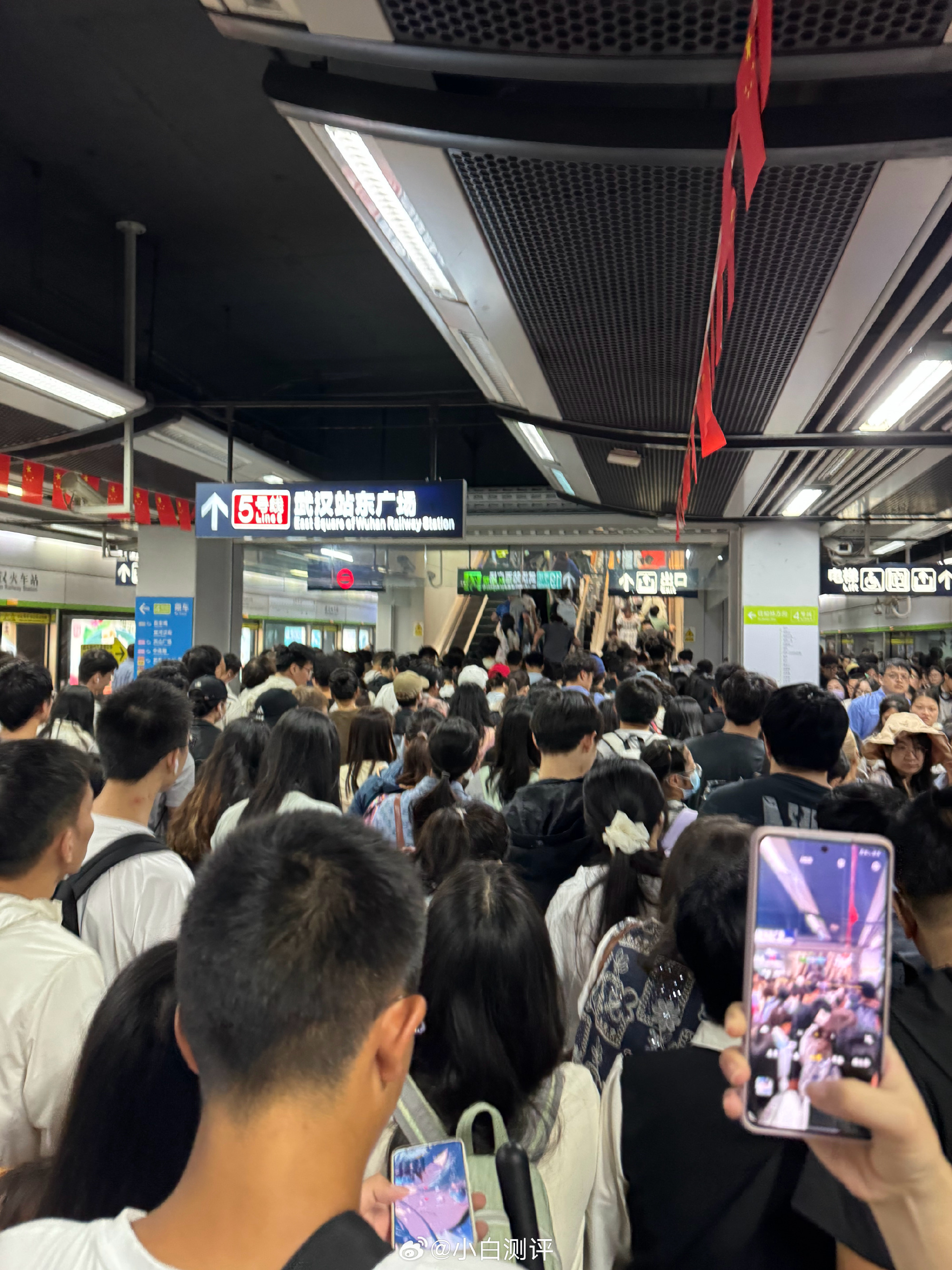
The squeeze is the price of a holiday that, as this site reported when it opened, has 2.13 billion trips booked against it. There is a neat contrast on the roads: at midnight on October 1, tolls were suspended on expressways nationwide, and drivers clustered at tollgates to save 560 yuan or more on a long drive.
On the rails, no such gift is coming. The railway's answer to a sold-out holiday remains what it has always been: put your name on the waitlist, and wait.