Undercover Report Finds a Tangshan Hospital Charging Insurance for Patients Who Weren't There
The Paper sent a reporter into Tangshan Hongci Hospital as a patient and found wards registered full by day and largely empty by night — on the most extreme day in the evidence, 721 inpatients on the books hospital-wide, 500 absent after dark. The city has formed a joint investigation team, and its medical insurance centre has ordered hospitals to keep billed patients in their beds overnight.
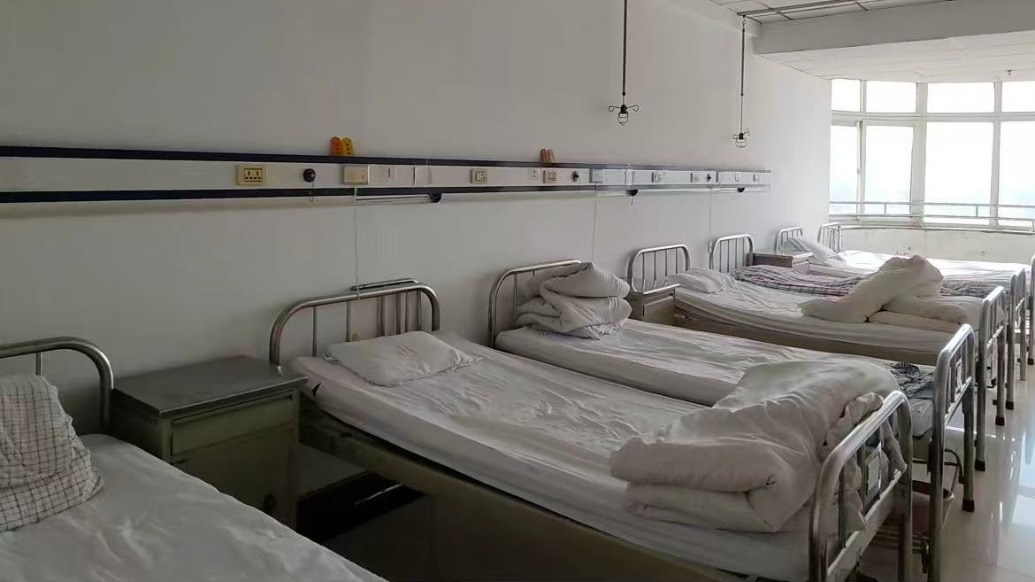
A hospital ward registered four patients. At night, The Paper's reporter — admitted through the emergency department as one of them — counted one: himself. That gap between the paperwork and the ward is the substance of an undercover investigation published this month by the Shanghai-based outlet, which reports that Tangshan Hongci Hospital stands accused of "fake hospitalisation" fraud and "hanging beds" — patients kept on the insurance rolls who do not actually stay.
The report began with a whistleblower — a hospital employee who came forward in September claiming the practice was systemic, alongside over-treatment. The paper's strongest datapoint is stark: on April 18, 2023, the day the tipster's evidence showed the widest gap, the hospital's records carried 721 inpatients across its wards, and 500 of them were not in the hospital at night. In the ward where the reporter stayed, the visitor list showed a full house; the corridor after lights-out showed nearly nobody. The economics are not subtle — inpatient beds billed to China's basic medical insurance fund pay far more than outpatient visits, so a hospital that can bill for beds without feeding or housing the patients in them converts paperwork directly into revenue.
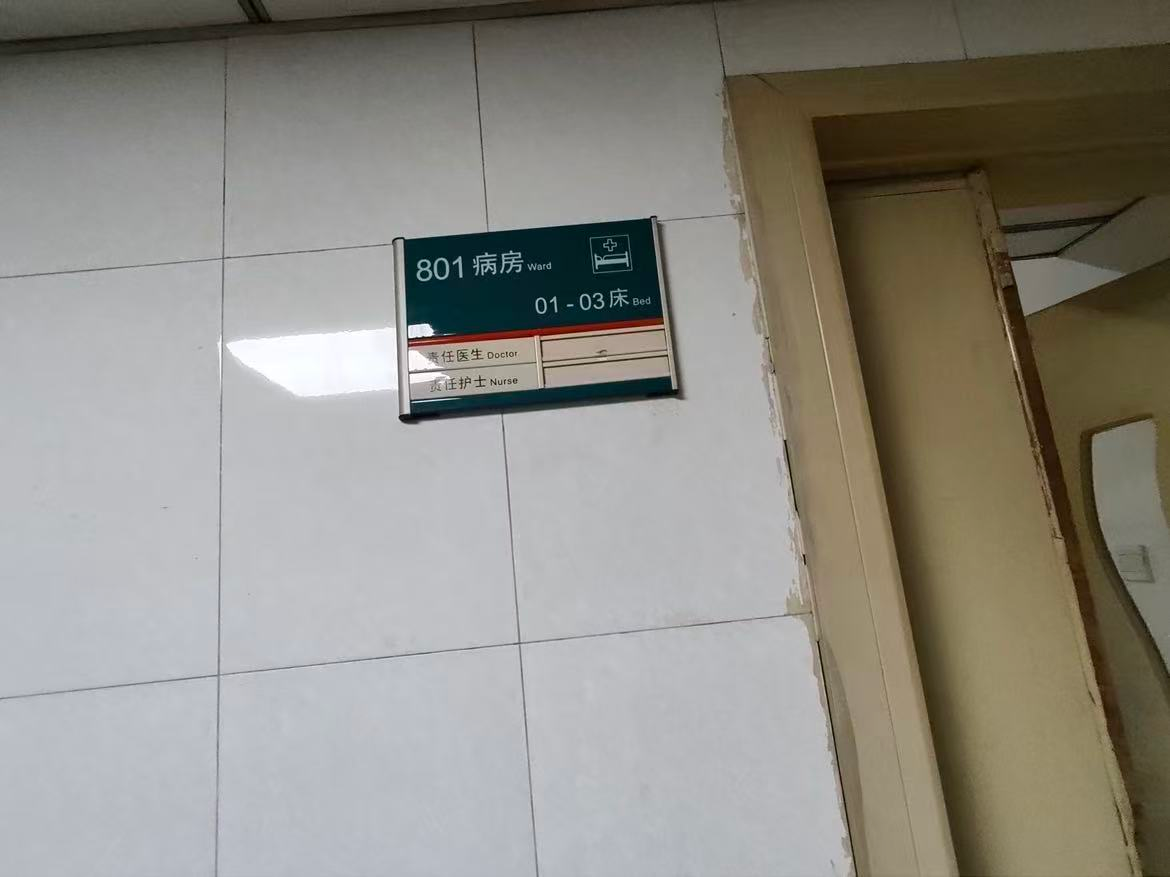
The response has moved faster than such probes usually do. Tangshan has formed a joint investigation team of health, medical-insurance and market regulators, and the city's medical insurance service center issued a notice on November 4 aimed squarely at the loophole the reporter walked through: all insured inpatients are required to be present in their beds overnight, leaving the hospital to sleep at home is explicitly forbidden, and violations found on inspection "will be seriously dealt with."

The case lands in a system already on alert. China's insurance-fund regulators have spent recent years publicising recovered fraud in the hundreds of millions of yuan, from staged physiotherapy to phantom prescriptions, and hospital-side "fake hospitalisation" is one of the recurring patterns they name. What makes this instalment travel is the method: a reporter inside the ward with a wristband, counting beds at midnight. The accusation against Hongci Hospital is now subject to a joint investigation that may confirm or complicate it. What is already confirmed is the rule that followed — for billed patients in Tangshan, the night shift now comes with a bed check.