Chinese Studios Take the Center of Gamescom 2026
At Gamescom 2026's opening night, Chinese studios were no longer a novelty but a headline act. Where Winds Meet landed a Best Mobile Game nomination, and new PC and console titles from miHoYo, Titan Forge and others drew the loudest reactions from Chinese viewers — even as overseas critics grumbled that too much of the show looked the same.
Chinese games have reached the point where their presence at a global showcase no longer counts as a surprise. That is the message of this year's Gamescom, where a slate of Chinese titles moved into the key slots of the opening-night livestream and into the award conversation.
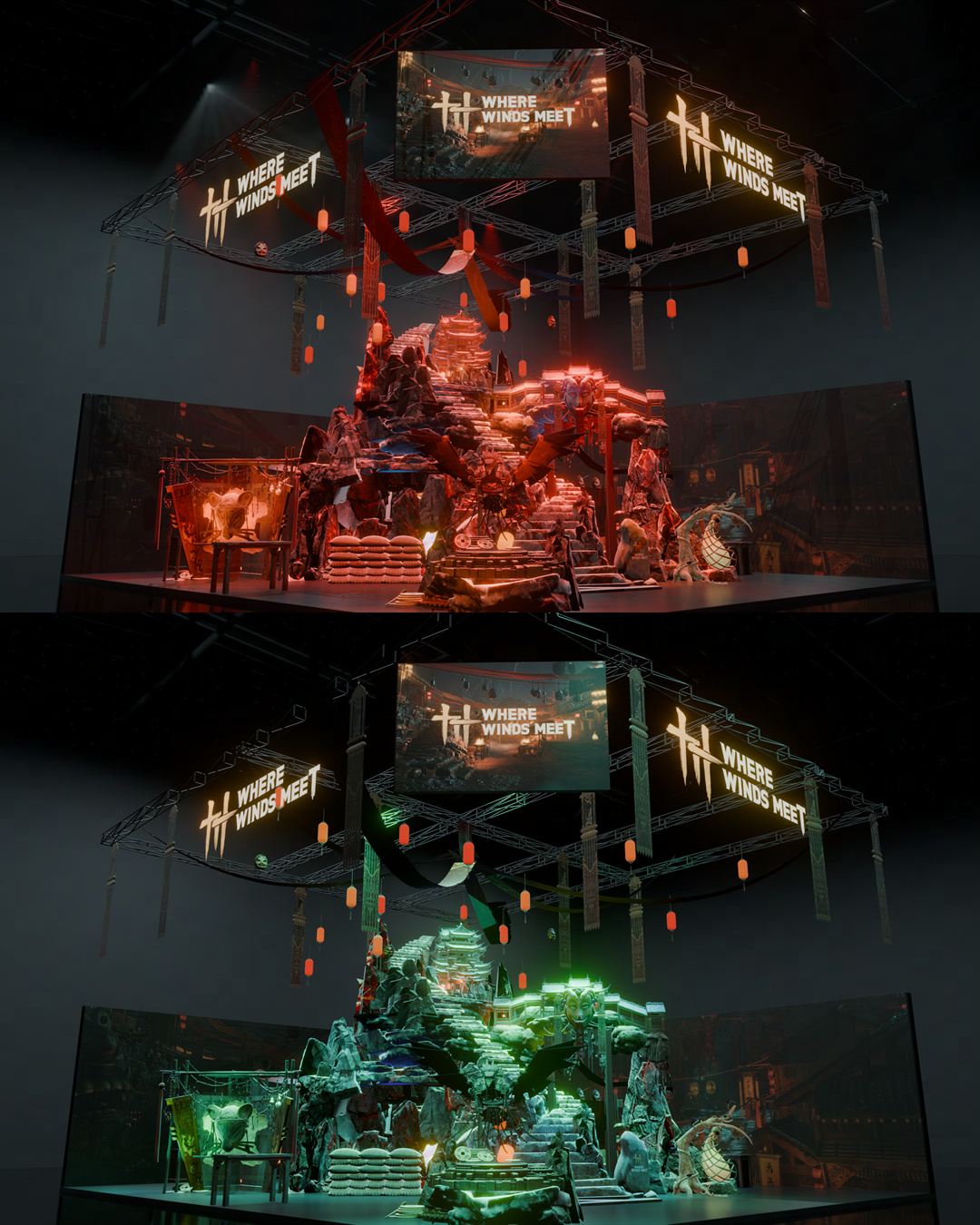
On Wednesday night in Cologne, the Chinese action game Where Winds Meet — known at home as Yan Yun Shiliu Sheng — announced it had been nominated for Best Mobile Game at the Gamescom Awards. Its official account told fans, framing the nomination as a chance to bring Chinese wuxia to a global stage and rallying viewers to vote before the deadline the next day. A convention-booth render for the game showed a mountain-and-temple set hung with red lanterns, designed to carry the same aesthetic through the show floor. The game, a tech outlet noted, is part of a broader shift: a generation of Chinese studios has moved from occasional flashes on a global stage to a regular block of the program.
The lineup around it makes the point. miHoYo, the studio behind Genshin Impact, debuted a new Unreal Engine 5 project with a cinematic trailer. Titan Forge, the team that made the animal-action title F.I.S.T., returned with a new demo for a game called Zoopunk. An Arthurian-inspired action game, a full-city adventure titled Infinite, and several other titles filled out a strong national showing across PC and console, many of them designed for direct sale rather than free-to-play gacha revenue. Bilibili, the video and gaming platform, surfaced several of the trailers to its trending charts within hours.
International coverage read the same night differently. Some Western outlets saw a monotonous tide of dark fantasy and hardcore shooting, with the biggest cheers reserved for older franchises and sequels. Chinese players, meanwhile, described the show as a night of genuine interest — not only because domestic projects were out in force, but because they are increasingly built for global players at global production values. That divergence is the story of Chinese gaming's current moment: what looks to one audience like an industry falling into a template can look, from the other side of the Pacific, like people finally getting a seat at the table.
The test of that seat, of course, is what happens after the trailers. Gamescom nominations and opening-night applause do not translate automatically into sales or lasting audiences. But for Chinese studios, the event's centre stage no longer needs explaining, which is itself the milestone: the work is no longer being introduced as an outlier.