100 Million Barrels of 'Consensus': Chinese Readers See American Muscle Behind the G7's Oil Release
The G7 will release 100 million barrels of strategic oil reserves over four months to ease record diesel prices. On Chinese social media, the 'joint action' reads less like alliance consensus than an ultimatum — release the barrels, or Washington restricts diesel exports.
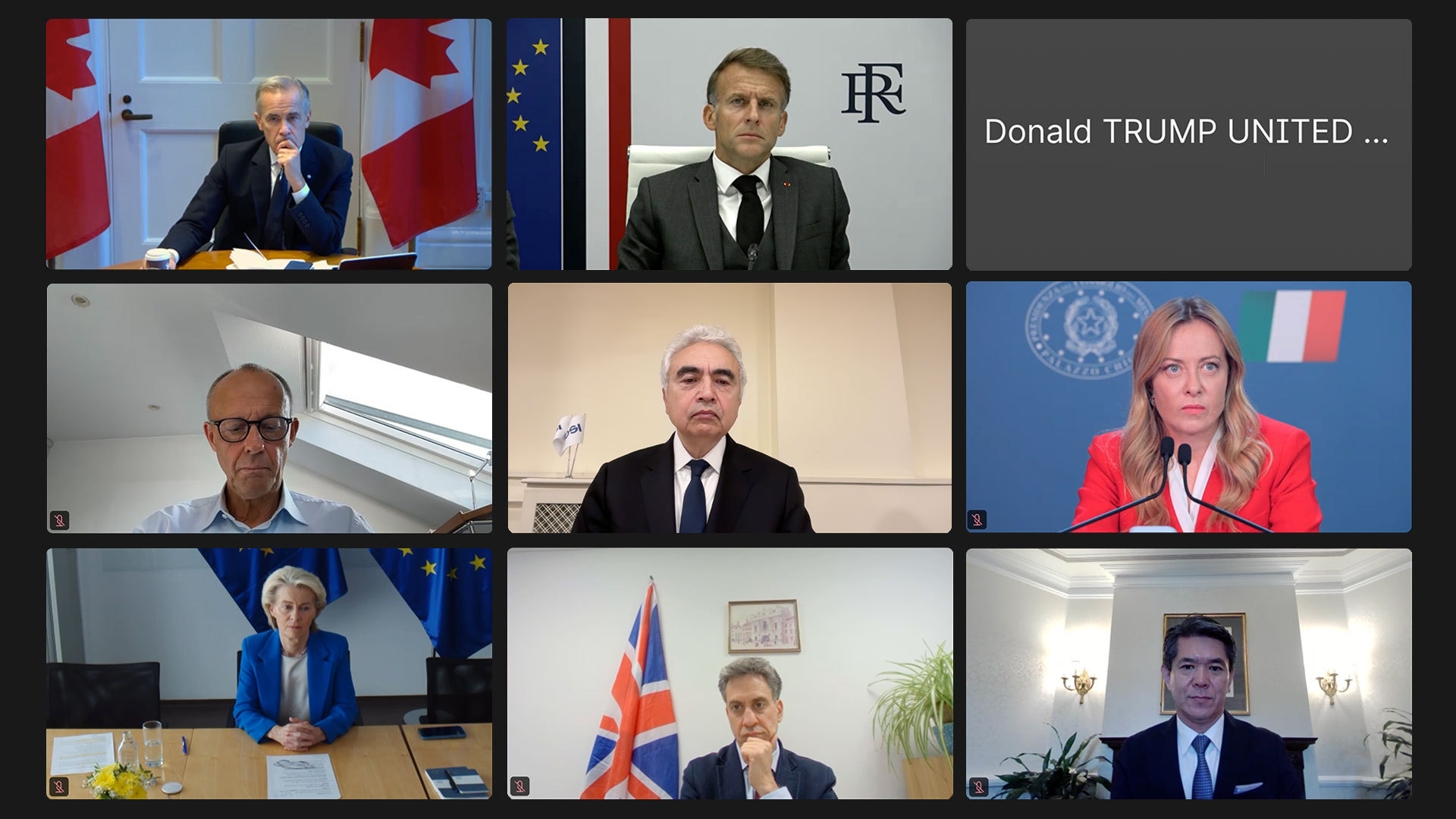
After a video summit convened by French President Emmanuel Macron, the Élysée announced on Friday that the G7 — the United States, France, Germany, Britain, Italy, Japan and Canada — will coordinate through the International Energy Agency to release 100 million barrels of strategic oil reserves. The action starts immediately, runs for four months, and concentrates its first twenty days on diesel, the fuel whose record prices on both sides of the Atlantic prompted the emergency. The statement also promises coordinated refinery maintenance, more product supply, and a mutual pledge to avoid energy export restrictions. Macron said the measures "should lower fuel prices."
On Chinese social media, where the announcement trended under the banner "the seven nations will act together" and charted on Baidu's hot board, the read was notably less diplomatic. Beijing Daily's report foregrounded the arm-twisting behind the consensus: Washington, it cited state media as reporting, wants Europe to put 120 million barrels of diesel on the market within six months and "does not rule out restricting US diesel exports" if it does not — leverage that matters because Europe's dependence on American diesel has grown sharply since the Russian embargo and Middle East supply disruptions. France alone consumes about 600,000 barrels of diesel a day, half of it imported. 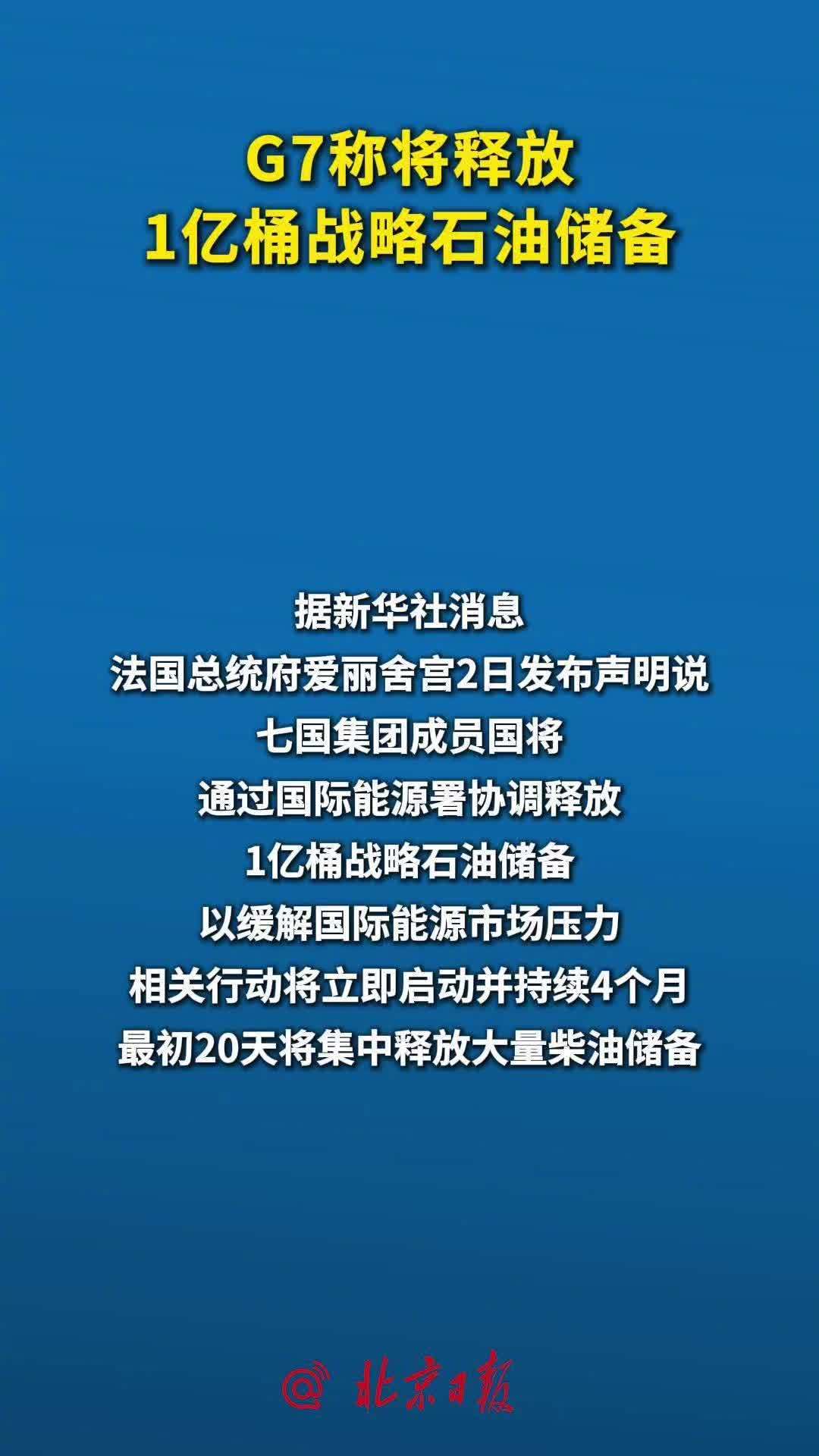
A widely shared post put it blunter still: per Reuters, POLITICO and the Financial Times, the White House told Paris and Berlin to open their emergency diesel stocks or face a US export ban. The same post noted, with some relish, that on the seven-leader video call the American seat showed only an empty tile, and that Europe's description of the outcome as "constructive discussions" was, whatever one calls it, a deal agreed under a deadline.
The most Chinese reaction of all came from a taxi. One poster recounted asking his driver what the announcement meant: the driver laughed and offered a traffic analogy — seven cars parked side by side look impressive, but none of them has moved; the engines are all still running. His advice was to wait for a document with a date, a department and a sum attached, "and only that counts." The post's conclusion is the sceptical consensus: statements are for show, action is the audit.
What both Chinese readers and European motorists are now waiting for is the same thing: the pump price. The release begins with diesel, the fuel Europe's trucks and the transatlantic relationship are both currently running on — and the statement's own clause against export restrictions is being tested, on day one, by the country holding the exports.