Rescuers Reach the Flattened Core of the Gyirong Mudslide as Nepal's Toll Climbs to 579
Chinese rescue teams have reached the heart of the Gyirong port disaster zone and found buildings erased by a mudslide triggered on the Nepali side of the border, while the Politburo met in Beijing to order an all-out search. Nepal now reports 579 dead and 1,924 missing from the same flood.
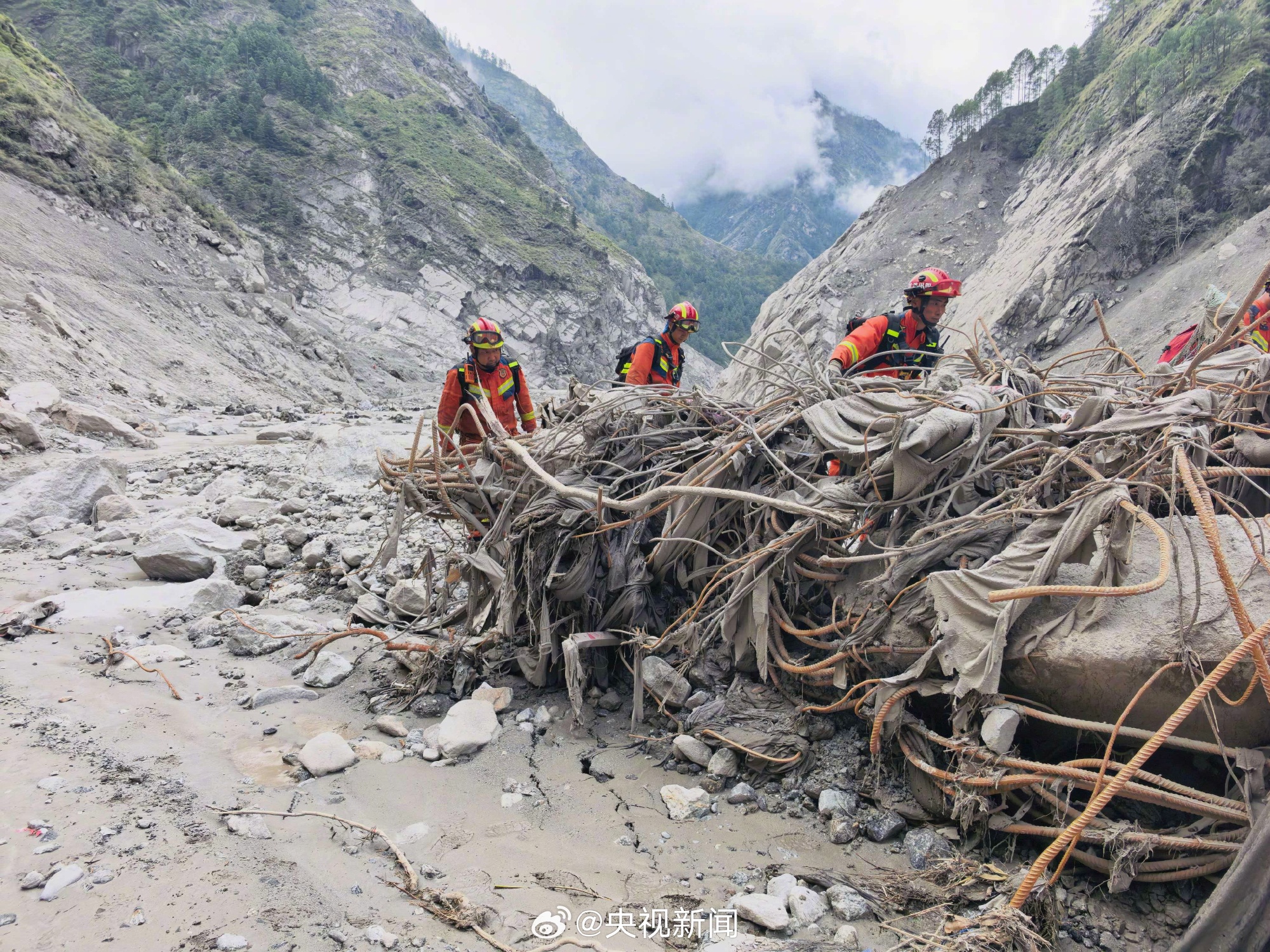
Four days after a mudslide triggered on the Nepali side of the Himalayan border buried China's Gyirong port, Chinese rescue teams have finally fought their way into the core of the disaster zone — and found almost nothing left standing. The confirmed toll on the Chinese side rose overnight to seven dead and 554 missing, after two villagers were pulled alive from the ruins. Across the border, Nepal's disaster management agency now counts 579 dead and 1,924 missing from the same flood, one of the deadliest in the country's recent history.
What the first team found
In Beijing on August 28, the Politburo convened a meeting devoted entirely to the disaster, opening with members standing in silence for the dead (向吉隆泥石流灾害遇难人员默哀). President Xi Jinping chaired the session, which ordered rescuers to search "by every means" for the missing — including foreign nationals — and, unusually, directed China to provide emergency aid to Nepal and pursue international rescue cooperation. The meeting also warned that glaciers and ice-fed lakes around the site remain unstable, a reference to the barrier lake whose overflow had already forced rescuers to pause earlier in the week.
The men and women doing that searching reached the border gate on August 27 evening. Liu Maolin, who led the first eight-person detachment — two search dogs with them — along a ridge line from Labi village, told state radio what they saw: "The destruction is severe. The buildings that stood in the flood's path have been flattened — you can't make out any outline of them." The ground, he said, is buried under deep mud and rubble, and the port's infrastructure is wrecked. Ordered back to safer ground overnight, the teams camped on 72-hour self-sufficiency kits and returned at first light.
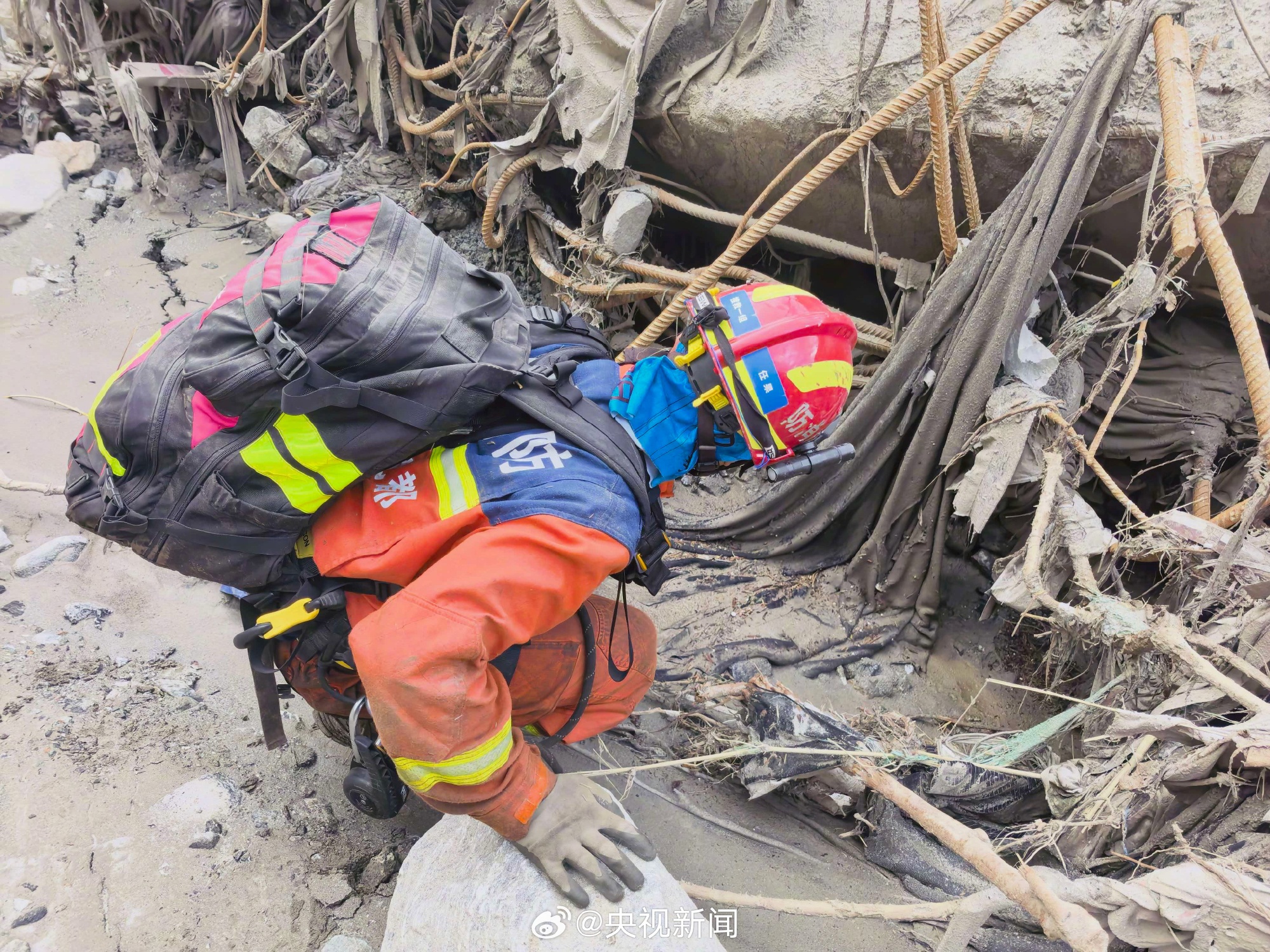
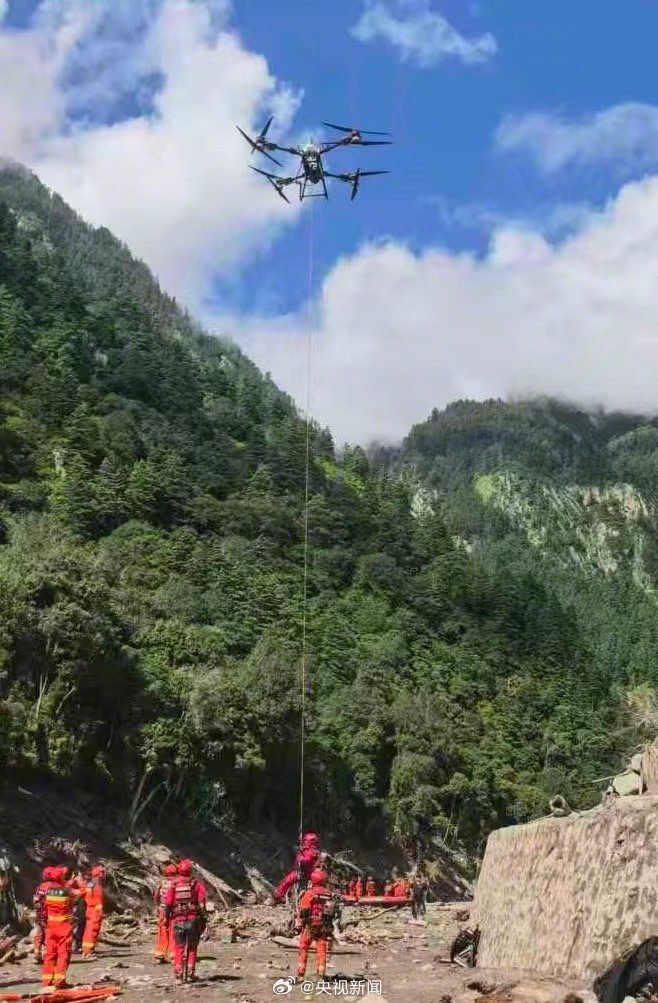
The operation now involves more than 680 firefighters advancing on three fronts: on foot over mountain paths, by flotillas of inflatable boats up the river, and by heavy-lift drone, which has been ferrying personnel directly to the port. By Thursday evening forward teams were searching the innermost zone in darkness, at altitude, in near-freezing cold.
The Nepal side of the border
The flood began in northern Nepal, and the scale of loss there dwarfs everything on the Chinese side. Nepal's National Disaster Risk Reduction and Management Authority put the dead at 579 and the missing at 1,924 as of August 28, figures carried by CCTV's main bulletin. Local reporters found that some residents had received evacuation notices but stayed, assuming the rising water was an ordinary monsoon flood. The hardest-hit district, Rasuwa, lies directly across the border from Gyirong.
The story has locked the top of Baidu's search board for days and is the leading question on Zhihu, where readers are asking why this particular flood proved so catastrophic. On Weibo, CCTV's post on the Nepal toll alone drew more than 25,000 likes.
Two residents of Resuo village (热索村) on the Chinese side have now been found alive. But with 554 still missing in Gyirong and nearly two thousand names unaccounted for in Nepal, the search's tempo now depends on the mountains themselves — on slopes that the Politburo was warned remain unstable, and on the lake above the port that has already changed the rescue plan once.