Huawei, Xiaomi and Honor Raise Phone Prices as Chip and Memory Costs Bite
Huawei, Honor and Xiaomi raised official prices across their smartphone lineups on September 1, pushing the base Mate 80 up 800 yuan in a day. The increases cap a year in which the same phone has quietly become 20 percent more expensive — and analysts say the era of ever-cheaper Chinese phones is over for now.
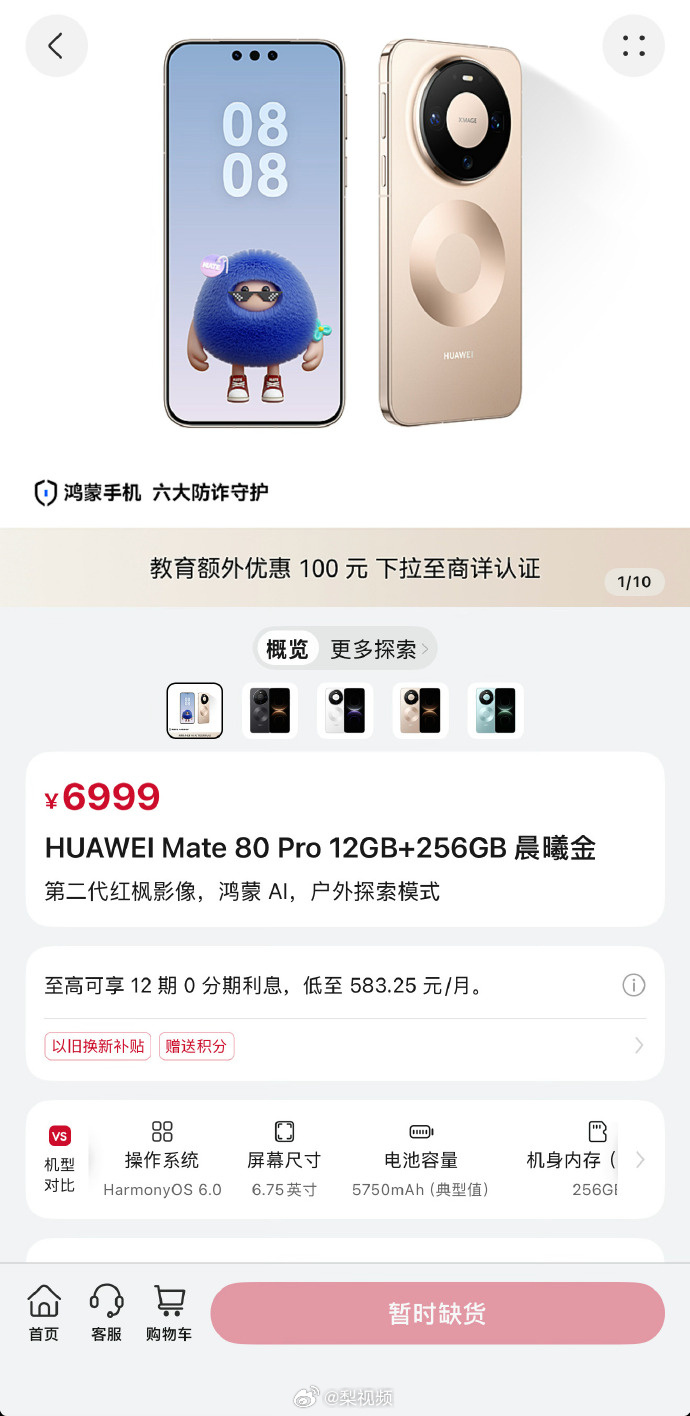
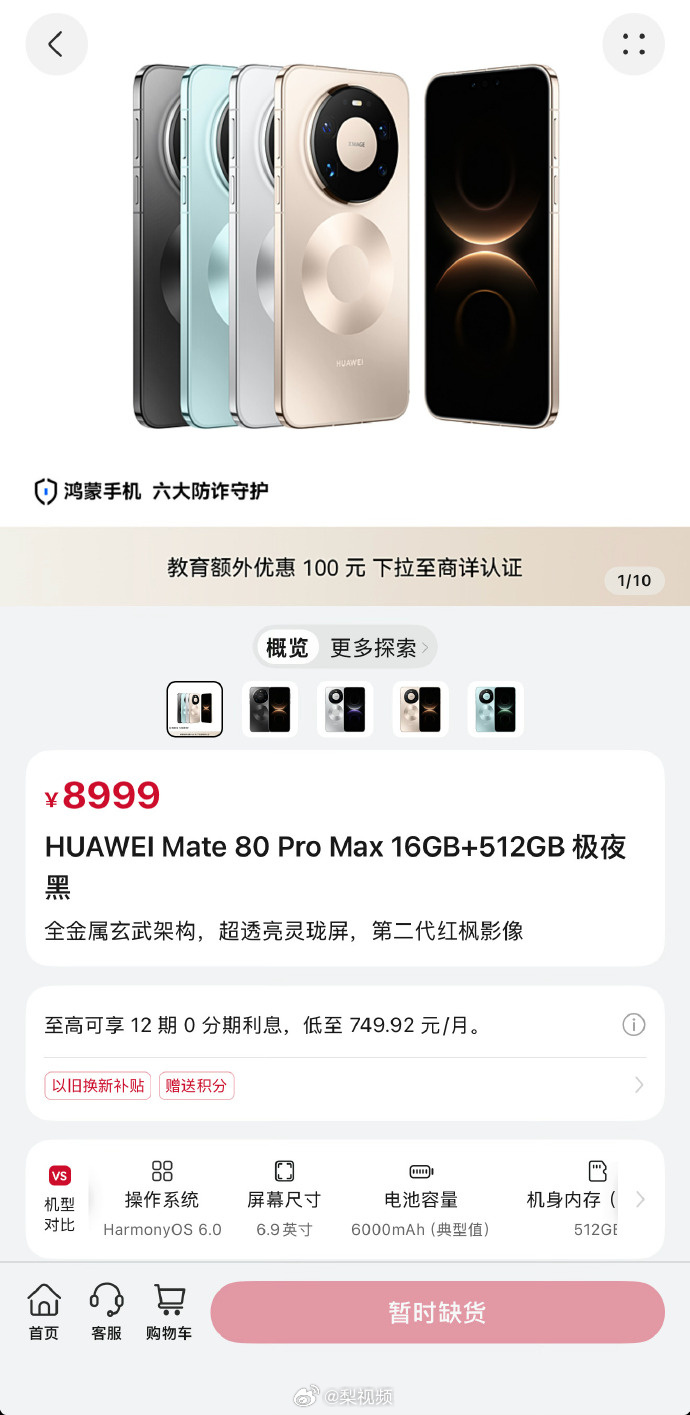
Chinese smartphone buyers woke on September 1 to what felt like a coordinated exercise: Huawei, Honor and Xiaomi all raised official prices across their lineups on the same day. The Huawei Mate 80's base model, 12GB of RAM and 256GB of storage, went from 4,699 yuan to 5,499 yuan overnight — an 800-yuan jump for a phone already on sale. At the top of the range, the Mate 80 Pro Max with 1TB of storage now lists at 9,999 yuan, pressing against the psychological five-figure line. Even the budget Huawei Enjoy 90 Pro Max went up by 200 yuan.
The new price lists were compiled line by line by the tech blogger Wangzai Baishitong (旺仔百事通) and aggregated by Pear Video, which noted that Honor's Power2 jumped 500 yuan and the Magic8 rose 300, while Xiaomi raised prices across the Mi 17 and Redmi K90 families for the second time in a month — the previous round came on August 2.
Why phones stopped getting cheaper
The immediate trigger sits upstream. Qualcomm is expected to raise chip prices in September by a double-digit percentage, a move industry posts noted will sweep in smartphones and wearables alike, while memory has stayed expensive all year. Xiaomi's president Lu Weibin told investors at the company's interim results briefing on August 18 that memory prices may rise more slowly in the second half, but that storage costs will remain high — a forecast of persistence, not relief.
How much has actually changed? The industry analyst Liang Zhenpeng, interviewed by Beijing Time and carried by Red Star News, put it at more than 20 percent for the same configuration compared with a year ago: a phone that sold for 3,000 yuan in 2025 now costs upwards of 3,600. Research firm IDC expects the average selling price of a smartphone worldwide to rise 14 percent in 2026. "This round of increases is far from over," the Red Star News report concluded — prices will keep climbing through the second half and, in Liang's view, probably into next year.
The pressure is reshaping the market's edges as well as its middle. Realme, the OPPO sub-brand that shipped more than 40 million phones globally a year, suspended its China business in July. Apple's iPhone 17, which launched last September to an eager reception in China, is itself rumored to cost more worldwide this cycle; in Japan its top configuration has already risen by 25,000 yen, roughly 1,060 yuan.
What buyers are doing about it
The increases landed in the back-to-school season, when phones, tablets and laptops are traditionally bought together, and the response on Weibo has been less outrage than arithmetic. The review channel Xiaobaiceping, in a video explainer liked more than 4,700 times, told its audience plainly: "Over the next year or so, you are going to keep hearing about phone prices going up." Its advice, echoing Liang's, was unglamorous — 12GB plus 256GB is enough for most students, and there is no shame in a two-year-old phone.
That calculus is already visible in the market: China's secondhand electronics trade has boomed since the spring precisely because new phones are rising faster than wages, and a well-kept mainstream device from a few years ago now changes hands for 1,000 to 2,000 yuan. For a decade the working assumption of the Chinese phone market was that this year's flagship is next year's bargain. The new assumption, on display in Monday's price lists, is that the bargain may simply never come.