Disposable Women: China's Hit Drama 'Lan Xiang Ru Gu' Runs Into a Feminist Backlash
The costume hit of the season is being accused of treating its secondary female characters as plot fuel — raped, killed, and stripped for warmth. The counter-charge: that sparing women on screen would be the deeper disrespect.
The drama of the season in China is a costume saga that viewers have read as a workplace allegory, a dark-horse hit whose most envied character is the second sister of the household — the one with money, rank and the highest "fault tolerance" of anyone on screen. This week, though, the show topped the trending charts with a different distinction: an accusation that it does not treat its female supporting characters as people.
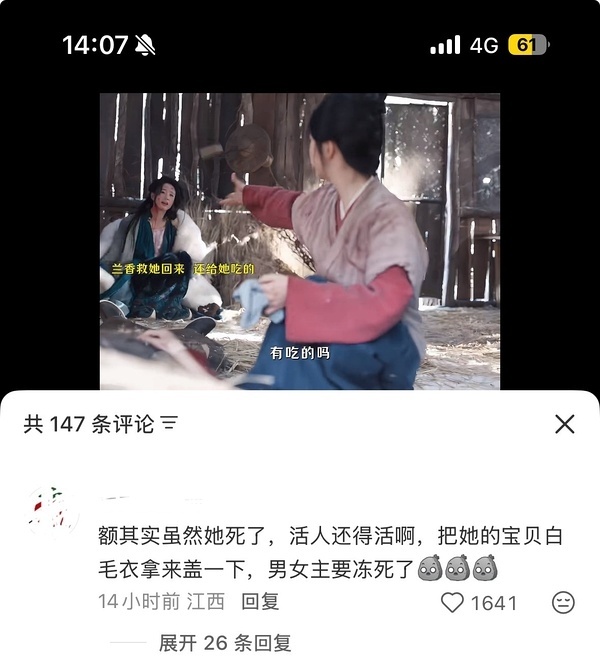
The flashpoint was a post liked more than 20,000 times. It listed what happens to the women around the plot: one supporting character, raped and killed, has her clothes taken to warm the male lead; another, who survived time in a brothel, is substituted to receive clients in the heroine's place. "The show has stopped treating its female supporting characters as people," the post concluded, "and the audience wants to wring the last use out of a dead woman's clothes."
Underneath the anger sits a word the argument runs on: nüe nü, "tormenting women" — the convention, familiar from web novels, of putting female characters through rape, humiliation and death as fuel for someone else's story. A list circulating since September 24 catalogues how much of Lan Xiang Ru Gu turns on chastity: the opening episode's women killing themselves for the family's honor, a moneylending sister punished less for her loans than for her lost virtue. "Even the ancients would sigh that this show isn't feudal enough," the list concludes.
The counter-argument is just as emphatic. One reply, liked more than 3,000 times, accuses the critics of demanding a painless utopia: "Loving women doesn't mean they never suffer. Zheng Manyi refuses to kneel even when her father surrenders, and kills herself — do you call that torment, or more backbone than any man in the show?" The post argues that the drama's women are given exactly what the complainers ask for, agency and quality that outshine the men around them, and that erasing what women actually endured would be the deeper disrespect: "Why must the screenwriter build you a utopia without hardship? Why can't what women went through be shown — and their dignity in it be seen?"
The fight, still running across Weibo's drama circles, is really about who gets to decide what representation means: whether a feminist reading demands women be spared on screen, or shown surviving what the historical record says they faced. On that question, the show's two most-liked camps disagree about everything except that what happens to its women matters.