Pop Mart’s Blind‑Box Boom Fuels Explosive Growth as Competition and Regulation Threaten Its Rise
Pop Mart, the Chinese start‑up that has turned tiny, mystery toys into a cultural phenomenon, is now a household name across Asia and is making a louder splash on the global stage. Founded as a modest retailer of fashionable gadgets, the company has reinvented itself as the architect of a “blind‑box” economy – a model where collectors purchase sealed containers that reveal a surprise figurine, often a limited‑edition character designed by emerging artists. The thrill of the unknown, combined with an ever‑evolving roster of intellectual property (IP), has driven a wave of fandom that reaches from bustling Shanghai malls to TikTok feeds in Europe.
At the helm is Wang Ning, the charismatic chairman and chief executive who has shepherded Pop Mart’s meteoric rise. Under his leadership the firm has attracted a mix of strategic investors: a domestic “booking entity” that owned 8 % of the stock as of April 2020, and the U.S. law‑firm‑turned‑investment group T. Rowe Price Associates, which held 5.9 % at the same time. Those early capital infusions laid the groundwork for a series of bold moves that would soon redefine the collectible‑toy market.
One of those moves was an aggressive push into e‑commerce. During the 2023 “Double Eleven” shopping festival – China’s version of Black Friday – Pop Mart’s flagship store on Tmall alone generated 322 million yuan in sales, while a dedicated blind‑box mini‑program posted 729 million yuan in revenue. A complementary presence on Douyin (the Chinese version of TikTok) added another 283 million yuan, underscoring how influencer‑driven unboxing videos have become a core driver of demand. The company’s online platforms now serve as the primary gateway for a predominantly young audience that craves the “small certainties” of a tangible surprise in an uncertain economy.
The numbers tell a story of exponential growth. In the first half of 2025, Pop Mart reported revenue of 13.88 billion yuan – a 204 % jump from the same period a year earlier – and an adjusted net profit of 4.71 billion yuan, up 363 %. Such performance has propelled the stock to record highs on the Hong Kong exchange and cemented the firm as the market leader in a sector that now boasts gross margins of 60‑65 % and repeat‑purchase rates of three to six times per year. Analysts attribute this durability to the company’s IP‑centric approach: it scouts global artists, incubates new characters, and then packages them into collectible series ranging from the whimsical “Molly” elf to the horror‑inflected “THE MONSTERS – Heartbeat Macaron” line.
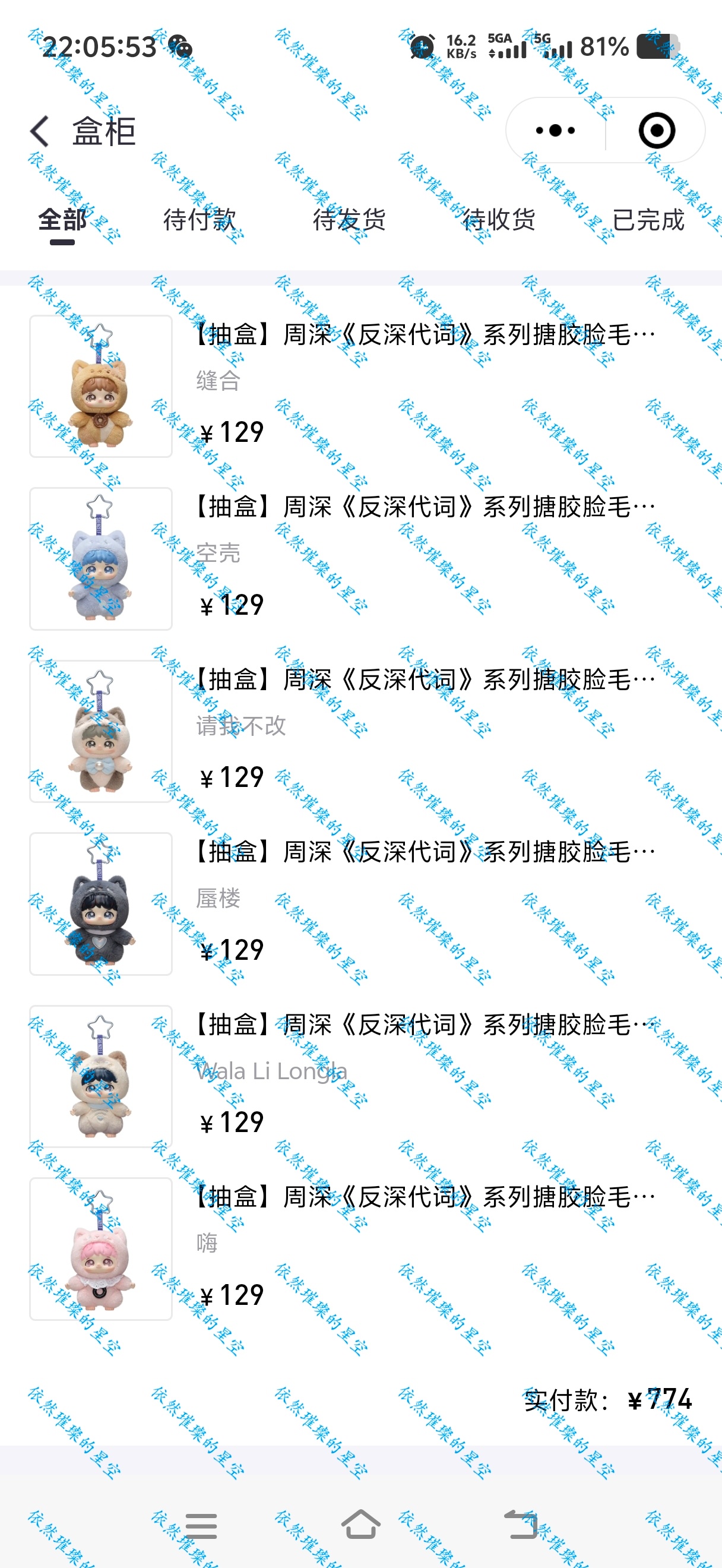
Pop Mart’s brand has also become a magnet for high‑profile collaborations. In 2023 the firm teamed up with Luckin Coffee, the fast‑growing Chinese café chain, for a dual‑promotion that featured exclusive “Monsters” figurines tucked inside coffee cups. A parallel partnership with Sesame Street leveraged the beloved children’s characters to appeal to family shoppers, while a limited‑edition series with popular Chinese singer Zhou Shen – tagged with hashtags like #周深泡泡玛特 – stoked a frenzy on Weibo, the country’s Twitter‑like microblogging platform. Fans posted a mix of excitement and frustration, the latter stemming from the typical scarcity that fuels blind‑box collecting. The same social chatter highlighted the platform’s most effective sales channel: Douyin, where rapid video content turns a simple unboxing into a viral moment.
The company’s expansion is not limited to online sales. Pop Mart has opened flagship “concept stores” across major Chinese cities and, more recently, entered the European market with the help of Spanish partner Laduchi. These physical locations blend retail with art‑gallery aesthetics, allowing collectors to browse curated displays and interact directly with the brand’s ever‑growing character universe. Yet this rapid scaling has exposed cracks. Customers have complained of delayed deliveries and occasional quality lapses, prompting warnings from consumer‑rights watchdogs. Moreover, despite a strong foothold in first‑ and second‑tier megacities, Pop Mart’s penetration of China’s third‑ and fourth‑tier markets remains uneven, a gap the firm acknowledges as an area for improvement.
Beyond toys, the company is diversifying. A new jewelry line under the POPOP label and experimental “low‑carbon” production practices signal an attempt to extend the Pop Mart ethos into lifestyle accessories while addressing growing environmental concerns. In a press release, the firm pledged to embed green, low‑carbon concepts throughout the product lifecycle, a move that resonates with an increasingly eco‑conscious consumer base.
The blind‑box boom, however, is beginning to feel the pressure of market saturation. Competitors have flooded the space with their own mystery‑toy offerings, and the novelty factor that once propelled sales is showing signs of fatigue. Industry observers note that Pop Mart now faces a dilemma: maintaining the high‑intensity sales that defined its early years while navigating a more crowded, price‑sensitive landscape. The company’s response – a mix of limited‑edition drops, celebrity tie‑ins, and forays into adjacent categories – reflects a broader trend in the toy sector toward “experience‑driven” consumption rather than pure product ownership.
Pop Mart’s story also carries broader societal and political implications. Its meteoric growth illustrates the purchasing power of China’s younger generation, who gravitate toward affordable, collectible items that offer a sense of community and personal expression. The brand’s success has contributed significantly to GDP growth and has drawn the eye of regulators, who are beginning to scrutinize the blind‑box model for potential consumer‑protection issues, including concerns about addictive buying patterns. Meanwhile, a high‑profile lawsuit against 7‑Eleven over alleged trademark infringement underscores the importance of robust intellectual‑property regimes in safeguarding creative assets – a legal arena that is increasingly pivotal for Chinese firms with global ambitions.
As Pop Mart looks ahead, the company’s challenge will be to sustain its cultural relevance as the novelty of mystery toys wanes and competition intensifies. Yet the firm’s ability to turn a simple sealed box into a multi‑billion‑yuan enterprise speaks to a deeper shift in how today’s consumers engage with brands: through surprise, storytelling, and the promise of belonging to a curated community. Whether the next chapter involves more cross‑border collaborations, a deeper dive into sustainable manufacturing, or an entirely new category of “collectible experiences,” Pop Mart has already proven that the world still has a hunger for the unexpected – one little figurine at a time.