Sushiro China on the Defensive After Beijing Staff Decline to Stop Child's Tableside Urination
A diner's video of a parent catching a child's urine in a cup at a Beijing Sushiro went viral after staff said they had no way to intervene — the third such incident at the chain's China stores in three weeks. Chinese commentary is asking why the reforms Sushiro adopted in Japan have not crossed the sea.
The video lasted seconds: a child standing on a booth seat at a Sushiro conveyor-belt sushi restaurant in Beijing, a parent holding a cup to catch the stream, and two crew members walking past without slowing down. Filmed by a diner at the next table on the evening of September 3 at a Joy City mall branch in Haidian district, it has become the week's most argued-about food-safety story in China.
The diner, who gave her surname as Yu, told reporters she summoned a second staffer after the first walked on. The explanation she received is what turned a gross-out clip into a national conversation: the employee, she said, replied that he was "just ordinary crew" with no way to stop a customer. By Friday the store had confirmed the episode, saying the seat was disinfected and every piece of tableware the child's family had touched was discarded — while Yu noted that the family simply packed up and left, and no one offered neighboring diners a move. Her follow-up post drew nearly 1,700 likes.
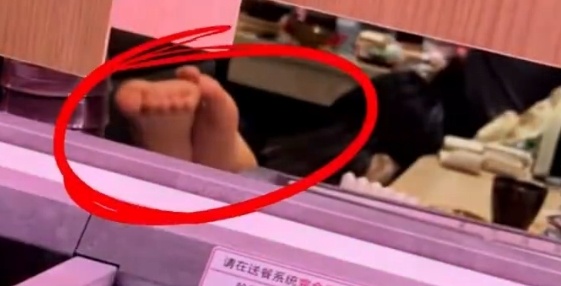
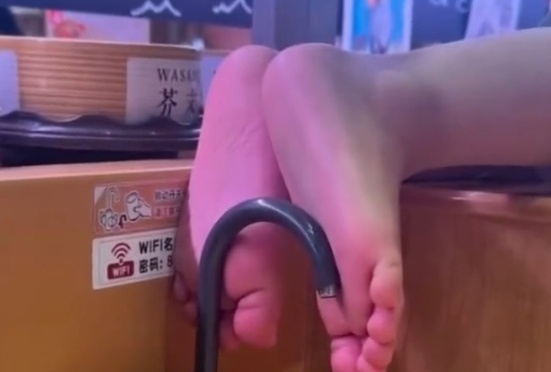
Chinese outlets quickly assembled a timeline that made the lone clip look systemic. On August 14, a customer in Guangzhou filmed a child's foot resting across the divider onto the neighboring table's tap fixture. On August 16 in Beijing, a diner lay across a seat with feet propped beside the conveyor belt. Then came September 3. Observer Net's tally — "twenty days, three stores, three incidents" — asked why feet and worse could keep reaching food undeterred, and answered with Sushiro's own history: in Japan in 2023, a teenager's prank video of licking shared utensils forced the chain into reforms whose cost Chinese commentary recaps as "16.8 billion yen in tuition."
The point of that recap was the question underneath: why does the Japan-hardened playbook stop at disinfectant in China? The Shanghai-based outlet argued the chain needs "a forward-leaning on-site intervention mechanism," and a Sharp Comments editorial from Jimu News, a Hubei-based newspaper, was blunter, calling the no-authority defense blame-shifting: staff who take the wage carry the duty, and a restaurant at roughly 150 yuan a head — where seats touch and bathrooms sit across the mall corridor — has both the means and the obligation to act.
Local regulators did weigh in — the district market-supervision office said it had visited the store, overseen disinfection, and watched the branch resume normal business — which is the standard toolkit. What the trending debate is really probing is the layer beneath regulation: whether a frontline employee in a Chinese chain restaurant is empowered, trained and expected to confront a paying customer in real time. Sushiro answered that question comprehensively in Japan after its own scandal. The topic trending on Baidu alongside the incident suggests China's diners are waiting to see the same answer imported.