Anti-Fraud Blogger Documents Fake-Certificate Vendors Operating Openly on Xiaohongshu
Shangguan Zhengyi, a blogger who has built a following exposing online rackets, has documented Xiaohongshu accounts openly advertising fake diplomas and ID documents — with 'DM me' comment threads and certificate-collage storefronts — accusing the platform of letting a forged-credential market flourish in plain sight. Neither the platform nor the police had responded publicly as the posts spread.
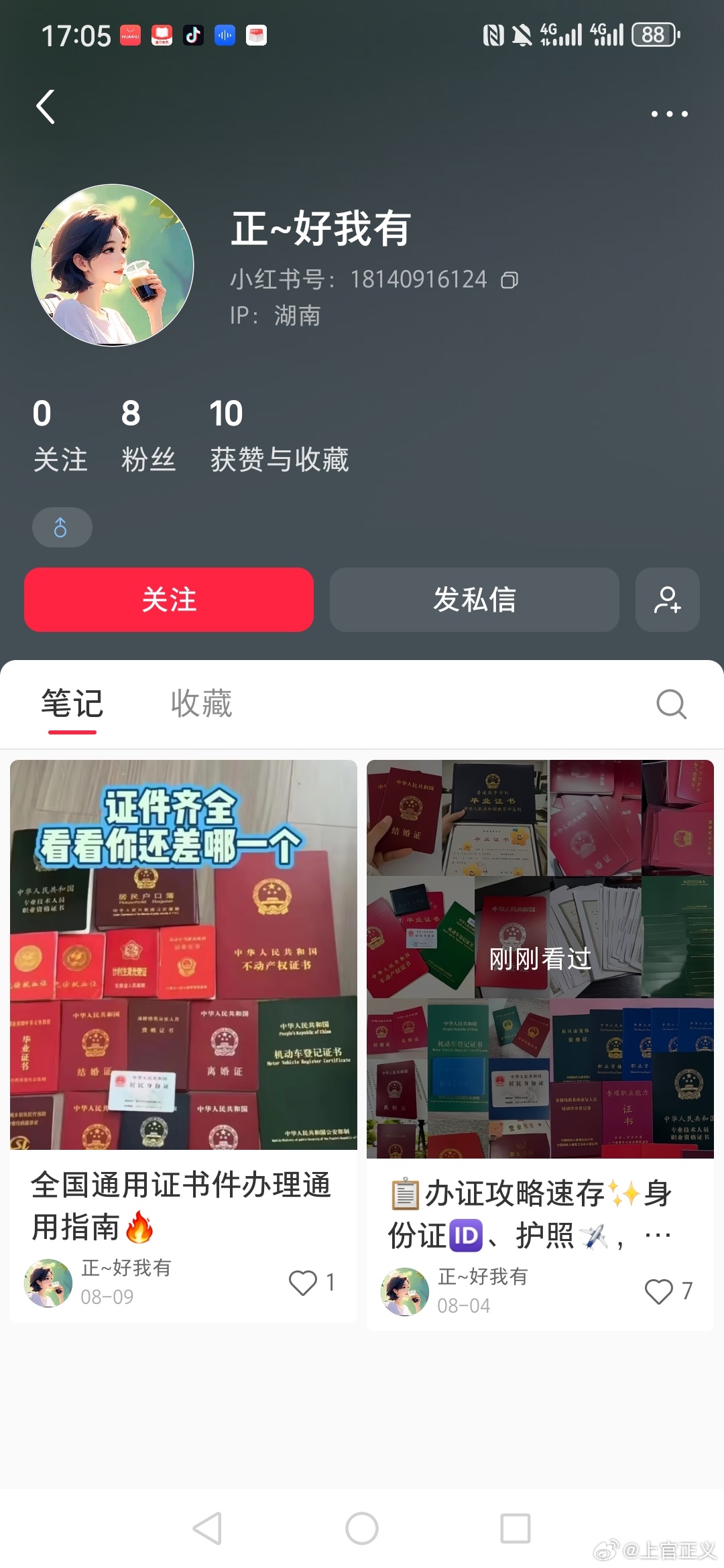
A fake diploma, if a widely followed anti-fraud blogger is right, is now one search away on Xiaohongshu. On Sunday afternoon, Shangguan Zhengyi (上官正义) — a campaigner who has spent years documenting forged-document and trafficking rackets — posted a set of screenshots showing lifestyle-platform accounts publicly advertising "nationwide certificate processing," and accused the platform of letting the trade grow "into a scourge" (泛滥成灾) in plain sight.
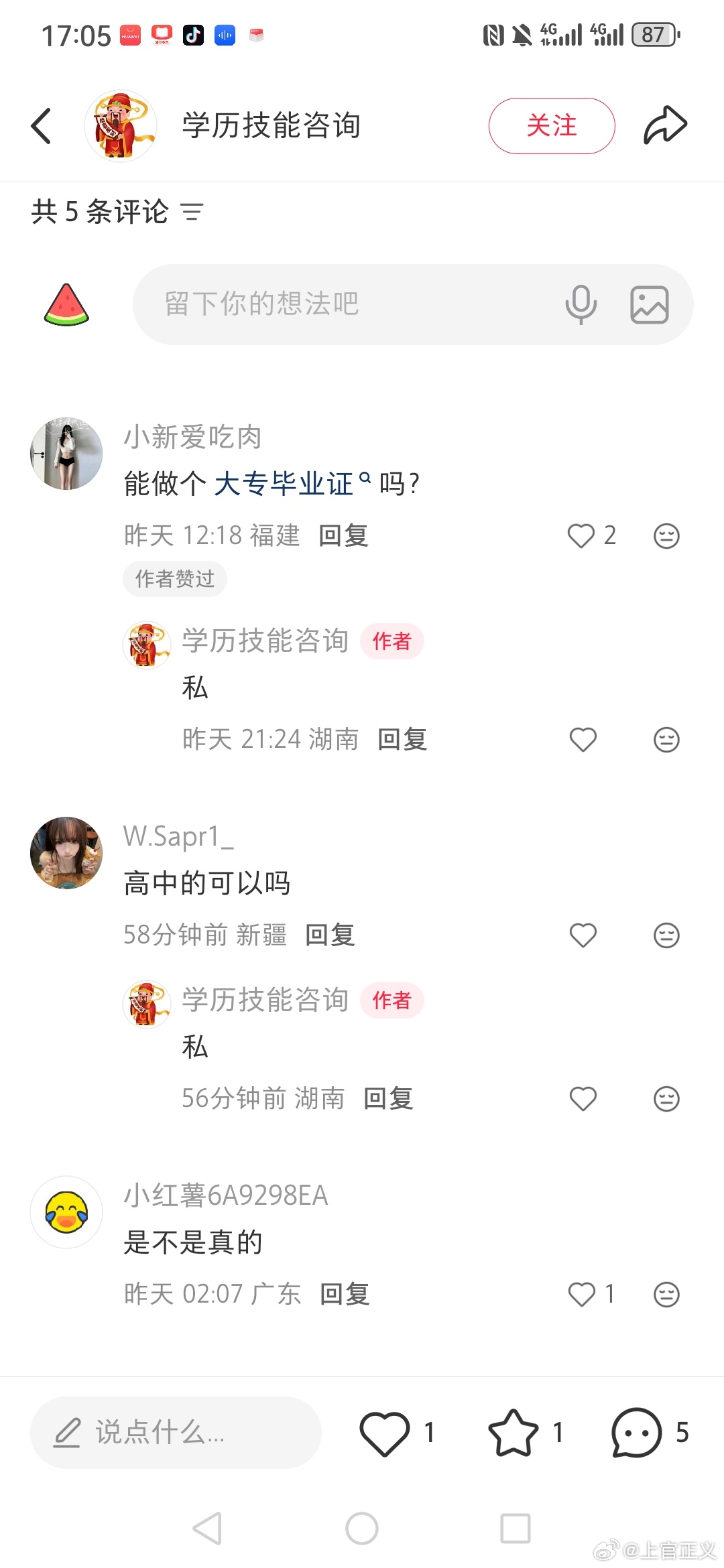
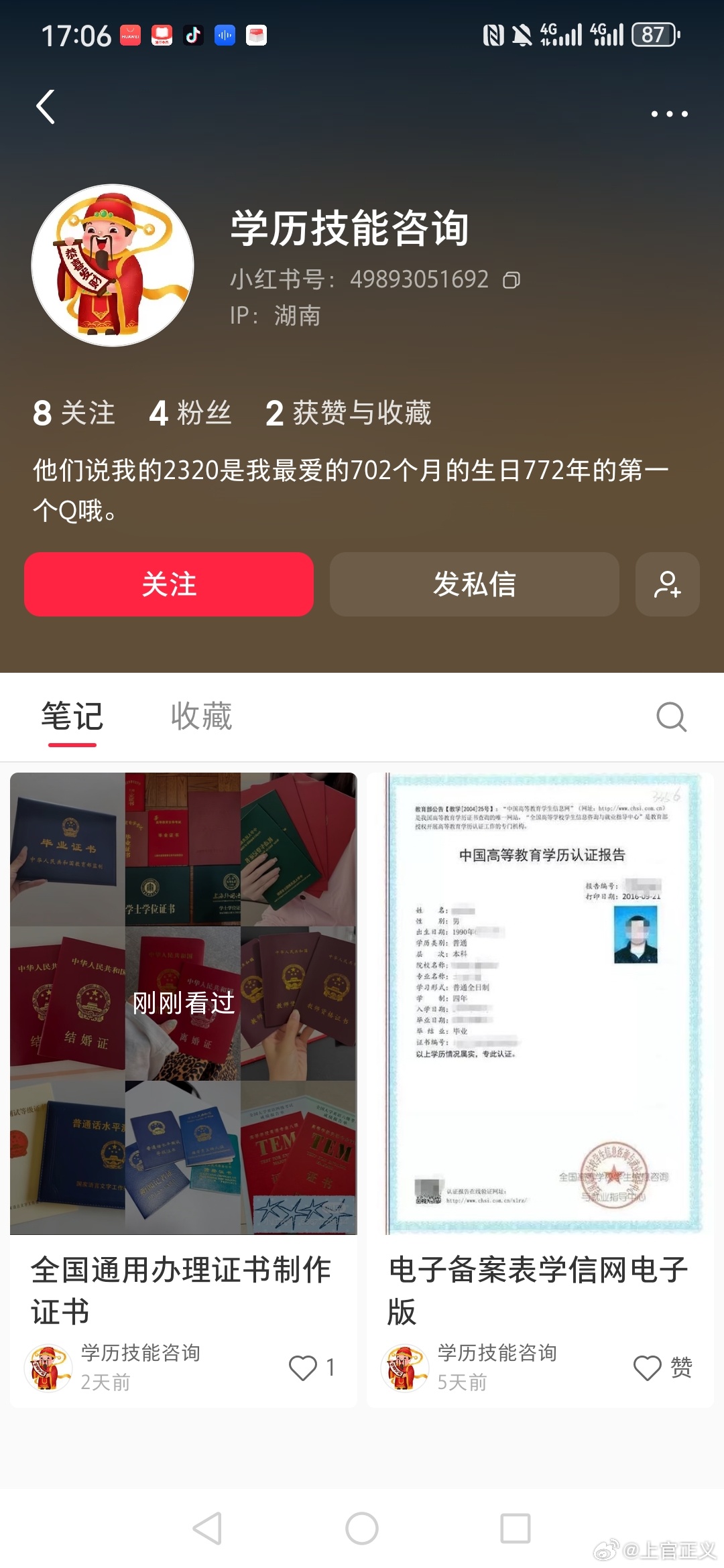
What his screenshots show is less a black market than a storefront row. One account, "学历技能咨询" ("Education and Skills Consulting"), posts collages of finished certificates under the title "Nationwide Certificate Production." Under its notes, would-be buyers ask the questions out loud — "Can you make a junior-college diploma?" "How about high school?" — and the account's replies are a single character: 私, "DM me." Another profile's thumbnails show piles of official-looking certificates, ID cards and passports laid out like a catalogue.
An allegation, and the law
To be clear about the evidentiary line: these are the blogger's allegations, documented with screenshots rather than official findings — no platform statement or police confirmation had appeared when his post passed 1,300 likes. But the conduct he describes maps onto a specific crime. Forging, altering, buying or selling the documents and seals of state organs is a criminal offence in China, one that has repeatedly landed both sellers and buyers in detention, and Shangguan tagged his post with a direct call for the authorities to "crack down hard" and for the platform to "audit strictly, giving criminals no opening."
Commenters reached for precedent. "Two years ago this platform was exposed for adoption listings that were really business deals," one wrote, recalling a scandal that forced a response — "it only acted after it was exposed. The platform needs to manage this properly." The comparison stings because Xiaohongshu's product is trust: a platform built on personal recommendation notes, whose discovery feed makes an illegal service findable in the same search box as a brunch spot.
The exposé also lands in a week when credential fraud is already on the national agenda — hot searches have run from background-check firms selling strangers' marriage records for 30 yuan to the case of two teenagers whose faked IDs and full-arm tattoos got them blocked from school enrollment — a reminder that forged documents in China sit at the intersection of school admissions, jobs and the household-registration paperwork that gates both.
What to watch: whether Xiaohongshu purges the accounts and issues its customary "zero tolerance" statement, and whether any police case follows the screenshots — the difference, as ever, between a trending topic and a cleanup.