Three Straight Chiefs of China's 'Largest Hospital in the Universe' Are Under Investigation
Zhengzhou University First Affiliated Hospital — 10,000 beds, 14,500 staff, nicknamed 'the largest hospital in the universe' — has now seen its third consecutive top leader placed under investigation for graft, in a drumbeat of announcements that is becoming China's clearest case study in how its mega-hospitals are run.
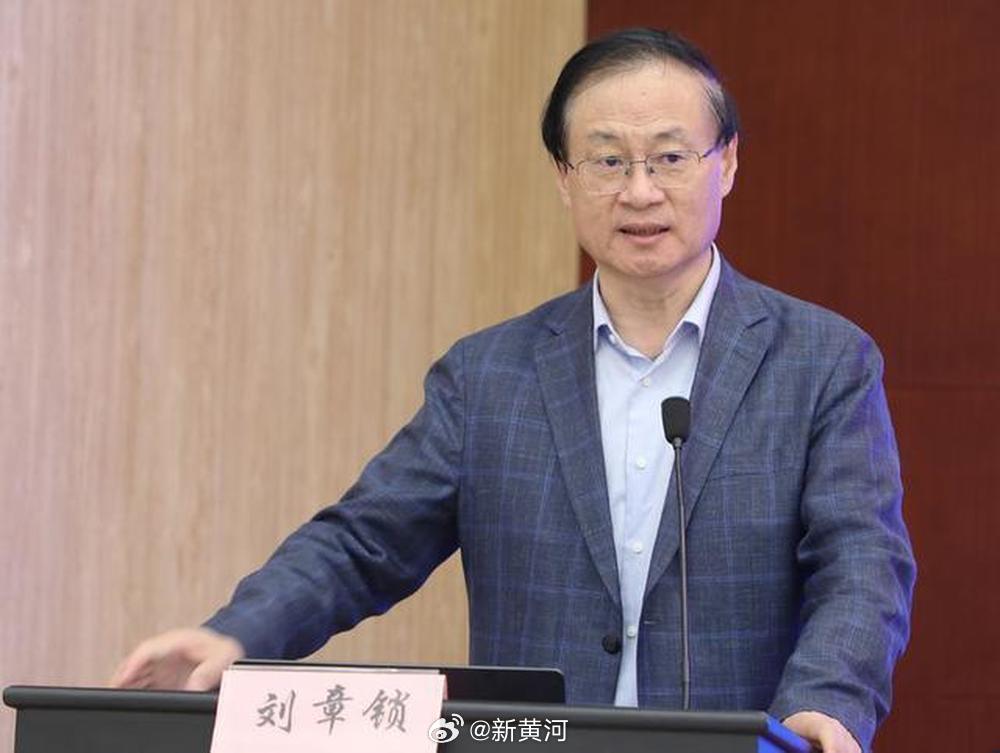
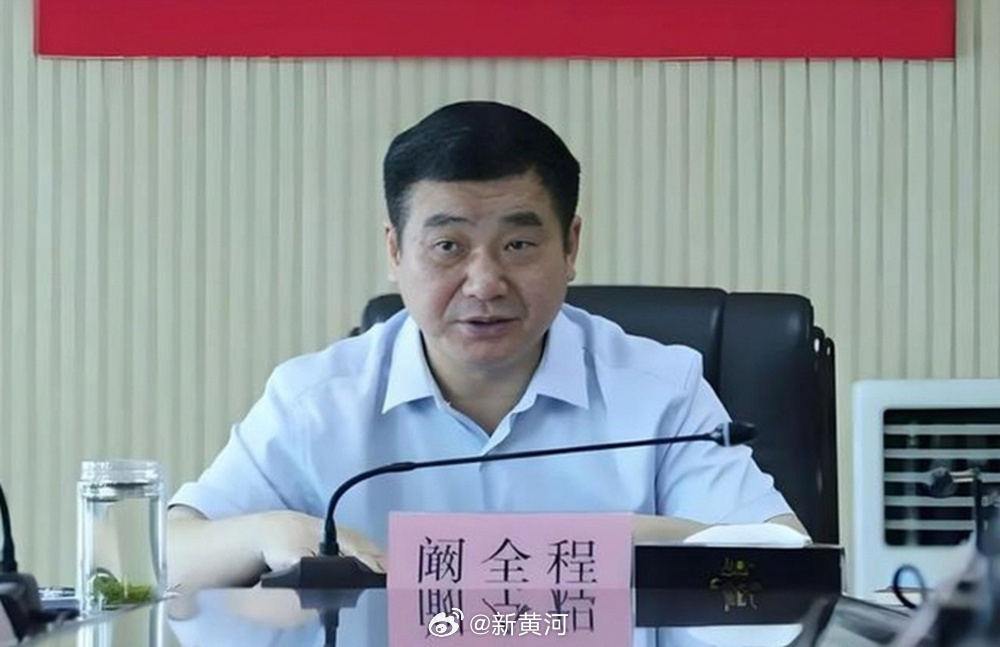
The announcement ran two sentences long, as such announcements do. On September 4, Henan province's discipline inspection commission said Liu Zhangsuo, formerly president of Zhengzhou University First Affiliated Hospital and a former vice-president of the university, was under investigation for "serious violations of discipline and law." Seven days earlier, the same commission had announced the investigation of Wang Chengzeng, the hospital's former Party secretary. Before them came Kan Quancheng. With Liu's fall, the three most recent top leaders of what Chinese internet users call the "largest hospital in the universe" — 宇宙最大医院 — have all been placed under investigation.
The nickname is not quite a joke. The hospital, known in English as the First Affiliated Hospital of Zhengzhou University, has more than 10,000 beds across four campuses, around 14,500 staff and 120 clinical departments — numbers that once circulated on Weibo with a mixture of pride and disbelief. It is the flagship of China's mega-hospital model: institutions that grew by absorbing demand from entire regions, so vast that a foreign reader's closest comparison is less a hospital than a small city's health system collapsed into one compound.
The investigations' details are not yet public, but the surroundings are instructive. Coverage of Liu's case has dwelt on a predecessor scandal the hospital would rather forget: its former pharmacy director took more than 25 million yuan in bribes and was sentenced to 11 years in prison — a reminder of where money pools in a Chinese mega-hospital, in drug procurement and equipment tenders that a hospital chief's office oversees.
There is a bitter irony in the record. In August 2023, at the height of the national campaign against corruption in healthcare, one finance blogger surveyed the industry's upheavals and praised the Zhengzhou hospital as a rare pool of calm — a "sample worth promoting nationwide". Two years on, it is the only hospital in China whose last three chiefs have fallen in sequence, and the province's announcements have been delivered like a drumbeat: one every few weeks.
The probes land at a moment when the economics beneath such institutions are shifting. China's public hospitals are handling enormous patient volumes while their finances fray — layoffs and pay arrears have reached even famous institutions — which turns governance questions from abstract integrity issues into questions about how the country's most essential service is actually run. Hospital chiefs in China command procurement budgets, construction decisions and hiring at a scale few enterprises match, under light external oversight; the anti-graft campaign has been working through the sector since 2023, and Henan's discipline commission appears to be reconstructing, leader by leader, how its largest hospital grew.
The announcements themselves say only "serious violations of discipline and law" — the standard phrase, with no charges detailed. What is public so far is the pattern: an institution that became the country's biggest by every metric is now the country's clearest case study in who got rich along the way.