China's Gold Jewelry Prices Slip Below 1,000 Yuan per Gram, Sparking Consumer Frenzy and Industry Re‑strategizing
The price of gold jewelry in China has slipped beneath a psychological barrier that many shoppers have long regarded as a line in the sand: one thousand yuan per gram. A combination of plunging international gold prices and swift adjustments by the country’s biggest jewelers has driven the average cost of a gram of gold ornamentation into the 988‑1010 yuan range, sparking a flurry of conversation on social media and prompting industry analysts to reassess the sector’s outlook.
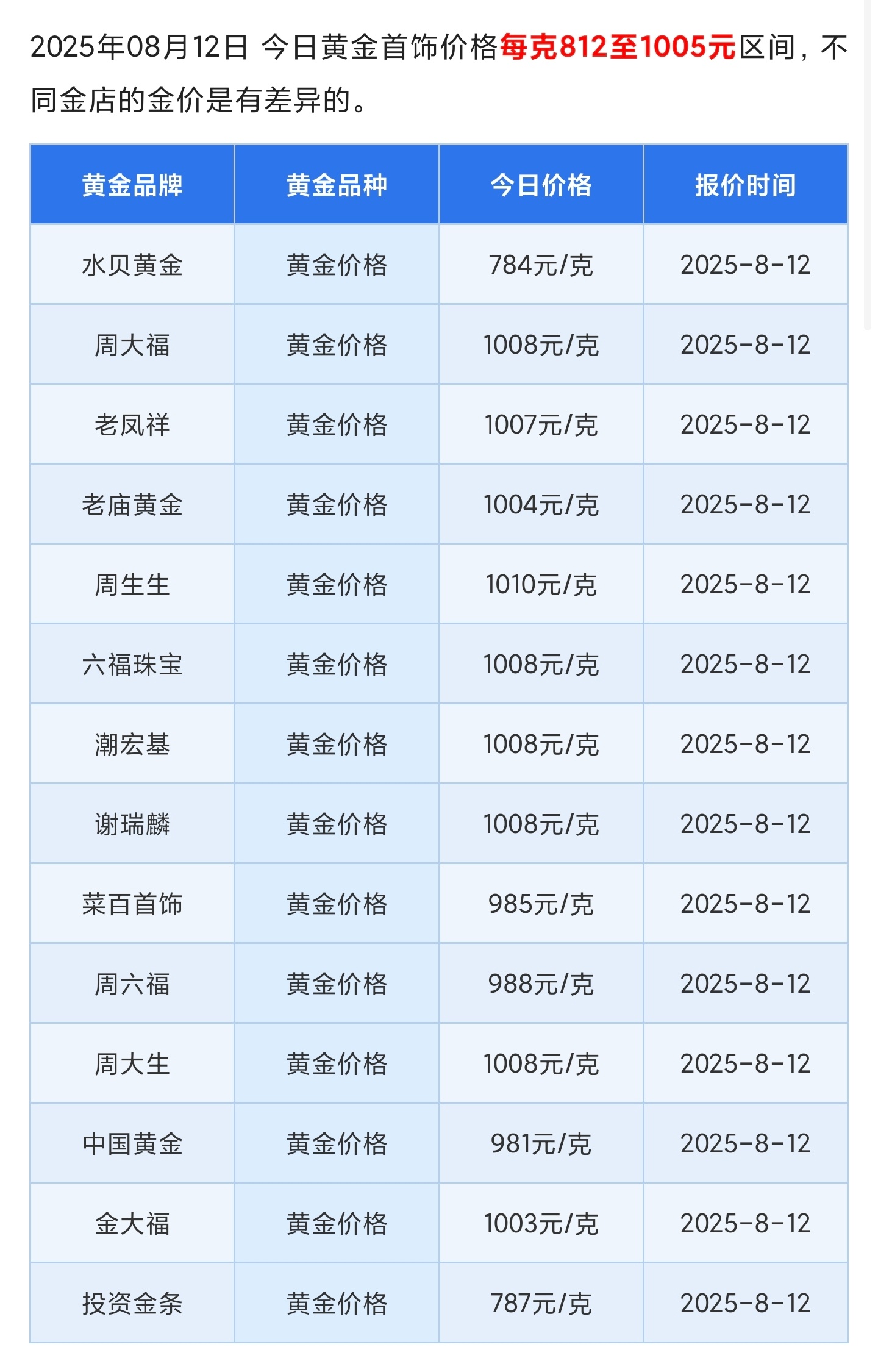
International markets set the stage in late July 2025, when COMEX gold futures tumbled almost 4 percent over a four‑day stretch and spot gold fell more than $110 per ounce. The slump, driven by a strengthening US dollar and easing geopolitical tensions, reverberated through the global supply chain and reached China’s retail floor within days. Domestic jewelers, from the storied Chow Tai Fook (周大福) and Chow Sang Sang (周生生) to Lao Miao Gold (老庙黄金) and Laofengxiang (老凤祥), promptly trimmed their gold‑per‑gram tariffs, some posting prices as low as 988 yuan.
For many Chinese consumers, the shift feels like a rare bargain. Weibo users flooded the platform with posts that began with a note of excitement – “Just saw the price drop, finally a chance to buy!” – only to temper that optimism with a dose of realism. “Is 998 really cheap?” one commenter wrote, while another lamented, “I wish I had bought more when it was still above a thousand.” The sentiment was a mixture of “now or never” anticipation and regret for missed opportunities, underscored by a recurring wish that the price could dip even further – one user even said, “If gold falls to 500 yuan per gram, I’ll buy more gold beans.”
The buzz reflects deeper shifts in buying behavior. Price‑sensitive shoppers, who had been sidelined by years of soaring gold costs, are now testing the market, while younger buyers – increasingly viewing gold as a practical store of value rather than a luxury status symbol – are weighing the prospect of adding modestly priced pieces to their wardrobes. Yet the enthusiasm is not unqualified. Some observers warn that if the downward trend continues, consumers may adopt a “buy the dip and wait for the next rise” stance, potentially dampening long‑term demand.
Industry analysts say the price break could be a double‑edged sword for gold‑jewelry makers. In the short term, lower prices may boost sales volumes, offering a lifeline to retailers whose inventories are heavy with high‑cost stock. However, sustained price weakness threatens profit margins, especially for firms that rely on the premium attached to raw gold values. “The profitability pressure will force brands to pivot away from pure weight‑based pricing toward design, craftsmanship and brand experience,” one market strategist noted.
That pivot is already visible. Companies such as Lukfook Jewellery (六福珠宝) and Chow Luk Fook (周六福) have begun emphasizing unique designs and limited‑edition collections, aiming to add perceived value that does not erode with spot‑price fluctuations. The competitive arena is also heating up: with price wars less tenable, firms are competing on service quality, digital retail platforms and after‑sale guarantees. Smaller, less capitalised jewelers may find the environment unforgiving, potentially accelerating consolidation in an industry that has traditionally been fragmented.
Beyond the immediate market, the ripple effects touch the broader economy. Gold jewelry remains a significant consumer‑goods category, and its price swings can influence related sectors ranging from mining and refining to logistics and retail employment. For investors and households that hold gold as a hedge, the dip in per‑gram jewelry prices signals a temporary erosion of asset values, even as it makes new purchases more affordable. Some economists suggest that the falling price may also reflect easing geopolitical anxieties, tempering the traditional “safe‑haven” appeal of gold.
Policy makers have taken note, albeit cautiously. While gold‑jewelry price movements rarely trigger direct political action, the sector’s contribution to employment and its symbolic role in wealth preservation mean that regulators may monitor the situation closely. Potential responses could include tax incentives for manufacturers, support for digital transformation initiatives, or consumer‑protection measures aimed at ensuring transparent pricing.
In sum, the breach of the 1,000‑yuan‑per‑gram mark has ignited both hope and hesitation across China’s gold market. Consumers are torn between seizing a perceived bargain and waiting for an even deeper cut, while jewelers scramble to reinvent their value propositions in a landscape where raw metal costs are no longer a reliable anchor. How the market settles will depend on whether international gold prices stabilize, how swiftly retailers can adapt to a design‑centric model, and whether the next wave of consumer sentiment tilts toward optimism or caution.