A Mooncake Map of China: Regional Pride Is the Flavor of Mid-Autumn's Arms Race
A gift box of mooncakes shaped like China's provinces, each with a matching regional filling — Sichuan pepper beef for Sichuan, cranberry for the northeast — has captured what 'involution' looks like in the country's most saturated gift market, as buyers complain the holiday's most famous pastry has become all packaging and no appetite.
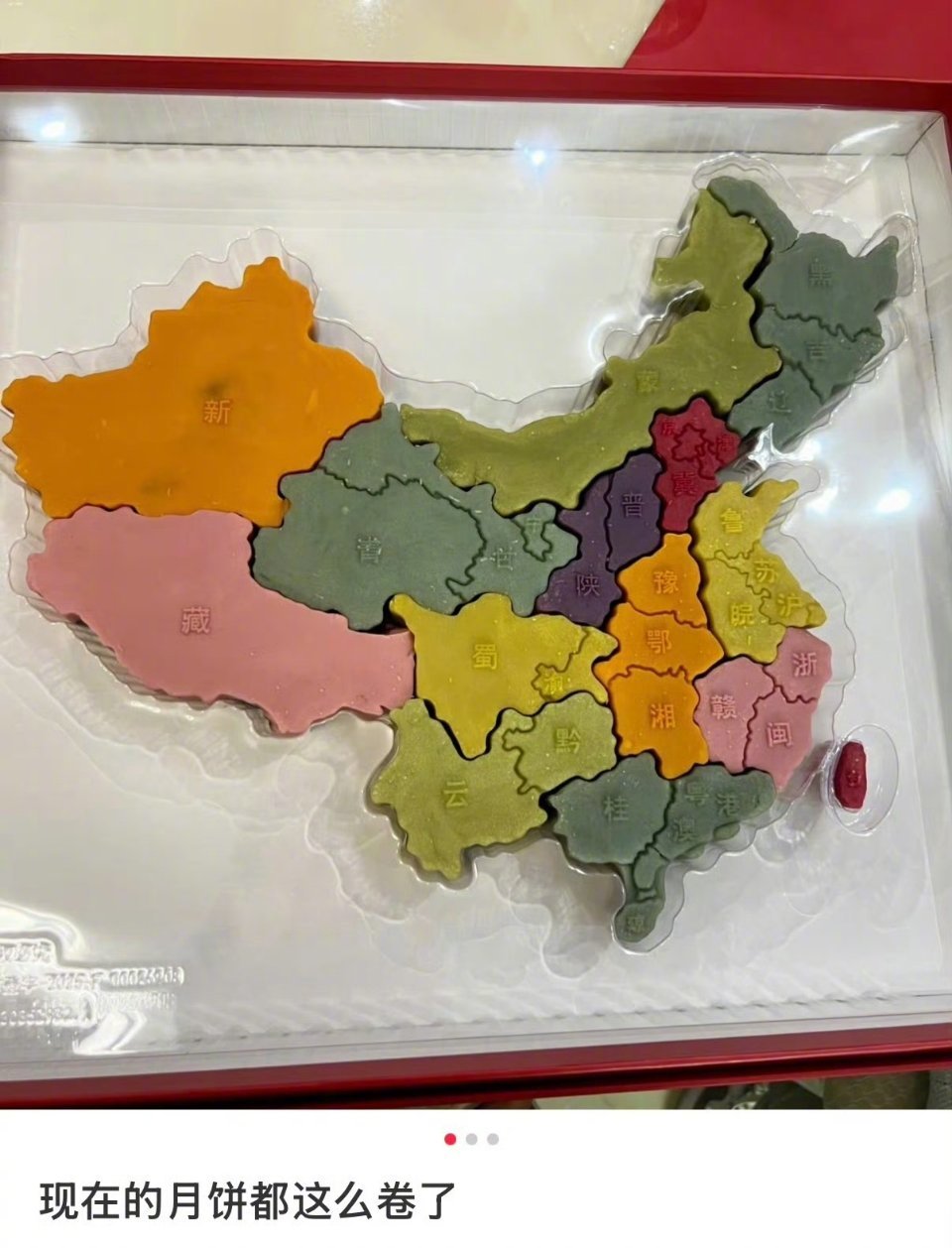
With Mid-Autumn Festival falling in late September, China's mooncake season has opened with the question that greets it every year, asked more insistently this time: just how far can the country's most ritualized pastry be pushed? The trigger was a gift box posted by the Guangzhou-based car commentator Chen Zhen, who noted he had not eaten a mooncake in five years. Inside the box, the pastries were molded into the shapes of China's provinces, arranged into a map of the country, each piece colored to its region and stamped with a single-character abbreviation — Xin for Xinjiang, Cang for Tibet.
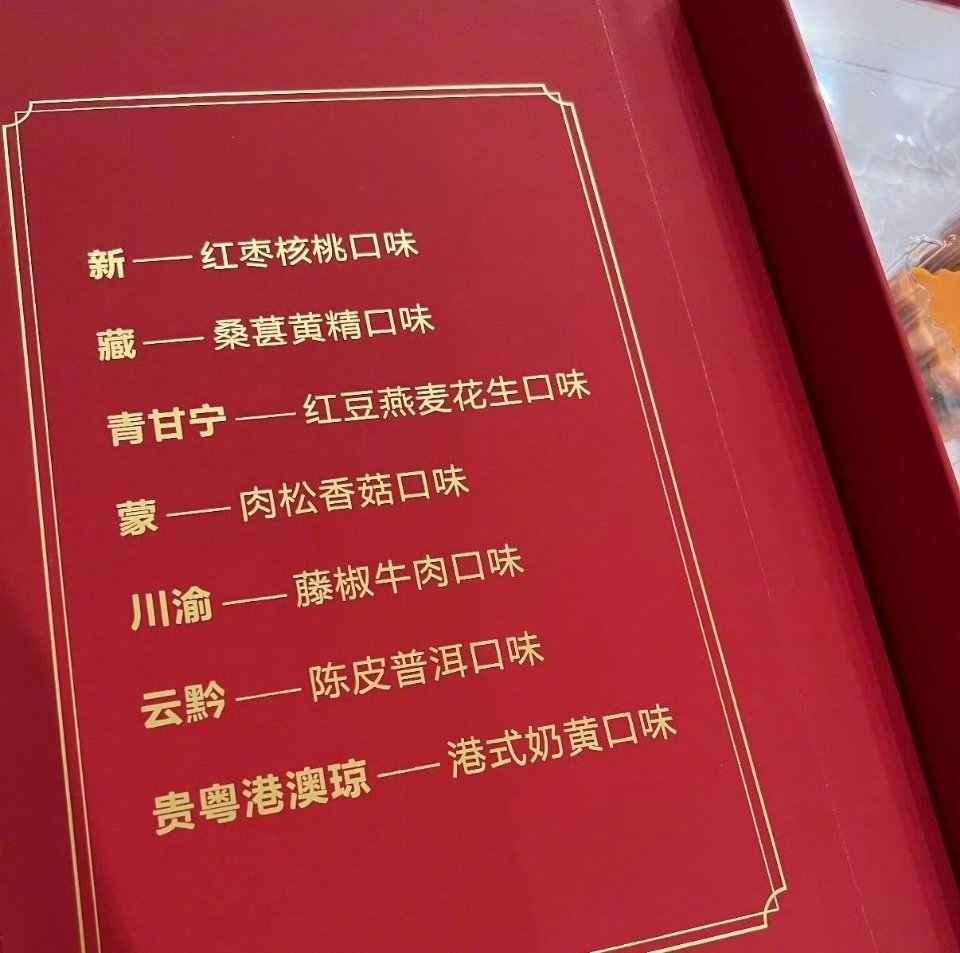
The fillings follow the map. The box's lid lists red date and walnut for Xinjiang, meat floss with mushroom for Inner Mongolia, Sichuan pepper beef for Sichuan and Chongqing, tangerine peel pu'er tea for Yunnan and Guizhou, oolong-peach for Taiwan, and Hong Kong-style custard for the southern coast — down to cranberry for the three northeastern provinces, a nod to the berry farms near the Russian border.
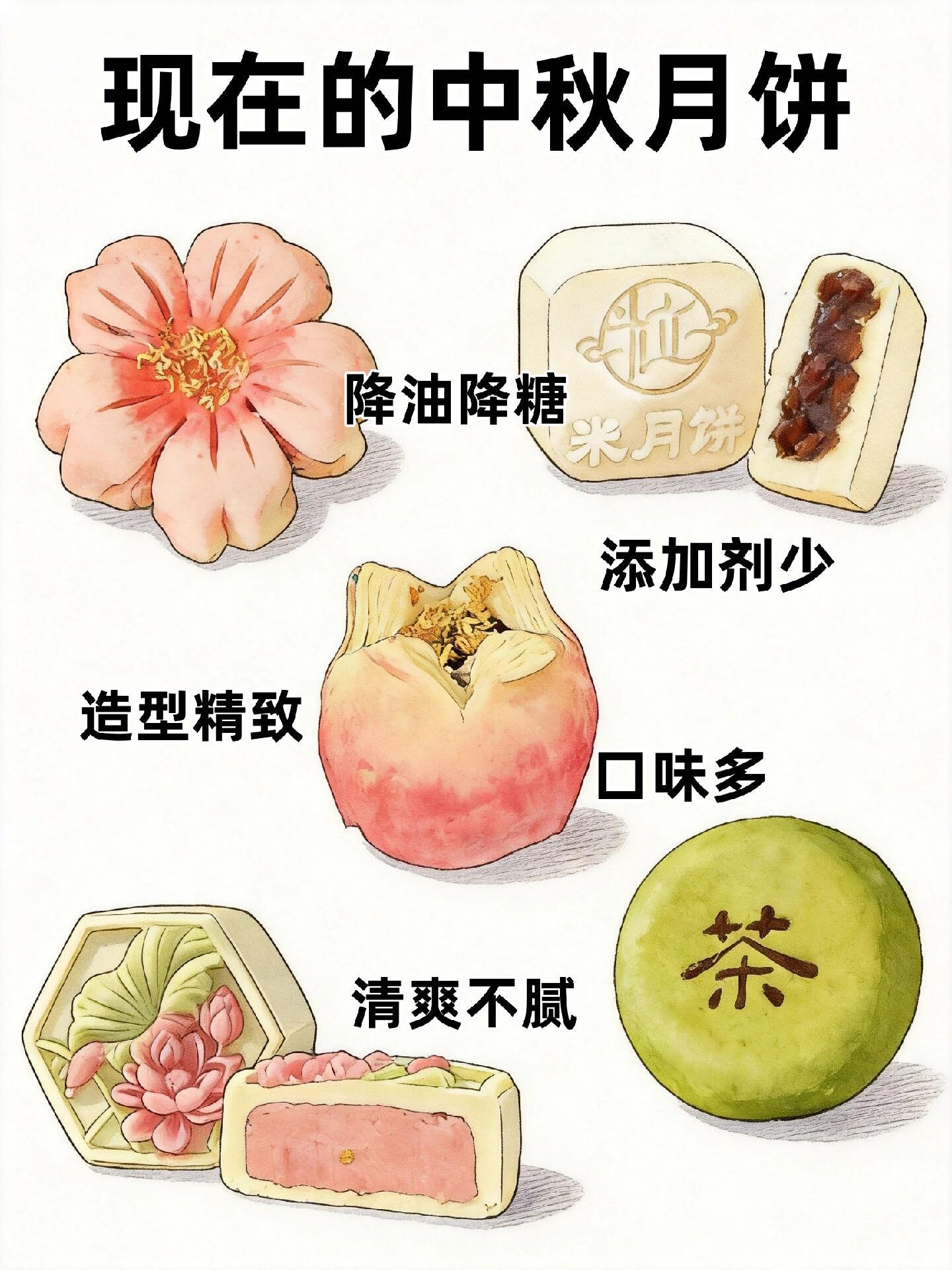
The post tapped a hashtag that translates, roughly, as "mooncakes are this competitive now?" — the word used is "juan," or involuted, the term Chinese social media applies to any contest where effort keeps escalating because no one can stop. Mooncakes are the canonical case. They are bought far more than eaten: boxed and exchanged between colleagues, clients and relatives, they function as seasonal currency, which is why appearance, novelty and price matter more than flavor ever could. An illustration circulating with the topic catalogued this year's arms race — less oil and sugar, fewer additives, ever more exquisite shapes, more flavors — while complaints clustered on the gap between box and content. "Mooncakes get more expensive and more gimmicky every year," one poster wrote. "They look better than they taste. The festival is left with vanity."
The regional map is a clever answer to a saturated market: with every brand already selling custard lava and fresh-meat mooncakes, the last unclaimed differentiator is the geography itself — a box that lets the giver say something about China as a whole. Consumer wariness, meanwhile, has been building for seasons; the country's memory of the TaoLi bread mooncake ad that ignited a nationwide backlash is recent enough that gimmicks are read as disrespect. Chen Zhen's five-year fast drew knowing replies — plenty of Chinese users measure their mooncake abstinence in years too. The test comes at the end of the month, when the boxes are opened for real: whether the map of China tastes better than it photographs.