Chinese Netizens Decry New “Bundling” Rules for Bubble‑Tea Delivery】
In the bustling digital corridors of China’s social media, a new meme has taken hold: “现在喝奶茶也要配货了,” loosely translated as “now even drinking milk tea requires bundling.” The phrase, which has been surfacing on Weibo over the past few weeks, captures a growing irritation among urban consumers who find that a single cup of bubble tea – the country’s beloved, low‑cost indulgence – can no longer be ordered on its own. Instead, customers are forced to add extra items – from snacks and pastries to the seemingly absurd inclusion of paper towels – in order to satisfy a minimum‑order threshold or to dodge steep delivery fees. The expression borrows the term “配货” (pèihuò), a practice long associated with luxury retailers where shoppers must purchase ancillary, often unwanted, goods to secure a coveted item. Its migration to the humble world of milk tea offers a telling glimpse into shifting business models, consumer sentiment, and even the under‑currents of China’s digital economy.
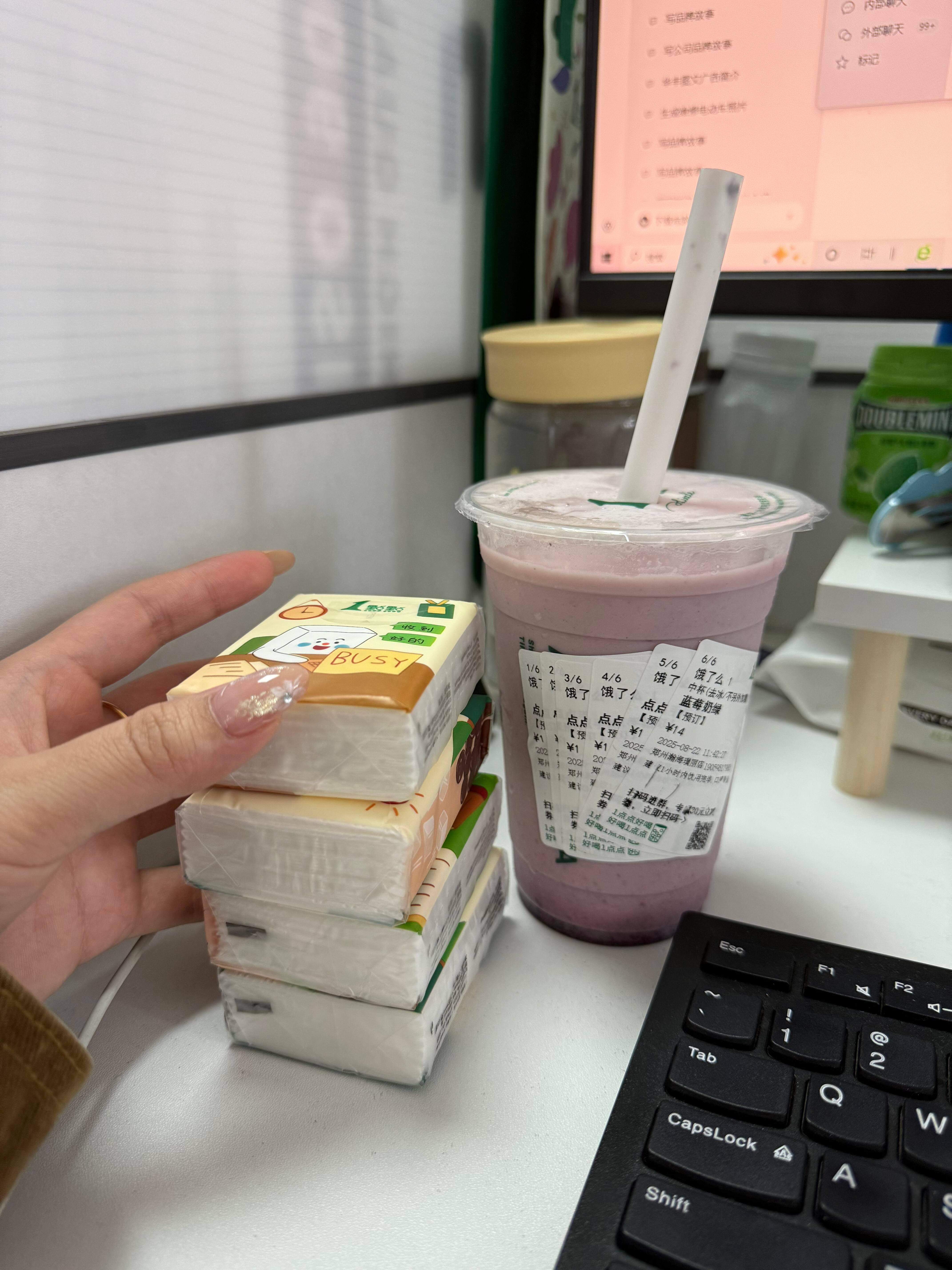
The phenomenon first caught wider attention when Weibo users began tagging their posts with #现在喝奶茶也要配货了#. In dozens of comments, users vent their frustration with the so‑called “minimum‑order” rule that many delivery platforms and milk‑tea chains have recently introduced. “I just want one boba,” wrote one user, “but the app tells me I have to add a pack of tissues or a piece of cake to get free delivery.” Others responded with tongue‑in‑cheek photos of their orders, piled high with napkins, crackers, and miniature desserts, turning the inconvenience into a communal joke. The humor is palpable: memes compare the mandatory add‑ons to a “ghost story” of ever‑tightening rules, and some users even propose absurd workarounds, such as ordering a bulk box of paper towels just to meet the threshold.
Behind the jokes lies a very real business calculus. Delivery platforms such as Meituan and Ele.me have become indispensable for the bubble‑tea market, especially after the COVID‑19 pandemic cemented home delivery as a staple of everyday life. Yet the economics of the model are razor‑thin. A single cup of milk tea typically sells for under ¥30 (about $4), while the cost of packaging, rider wages, and platform commissions can quickly erode profit margins. To stay afloat, many shops have adopted the “bundling” strategy: require a minimum spend – often ¥30‑¥40 – before a rider will deliver, or compel customers to add a “filler” item that inflates the order’s value without significantly raising the shop’s costs.
What makes the current iteration noteworthy, however, is the extent to which the filler items have become peripheral to the original purchase. In luxury retail, “配货” has a clear, if cynical, logic: a high‑price item is paired with a cheaper accessory to justify the transaction and boost the retailer’s inventory turnover. In the bubble‑tea arena, the logic is less obvious and more irritating. A consumer seeking a single pearl‑laden drink now faces a decision matrix: add a cheap snack, accept a higher delivery fee, or forego the convenience altogether. For many, the answer is to order a few extra drinks or an unrelated item, thereby inflating their consumption in ways that feel forced rather than chosen.
The sentiment on Weibo underscores this sense of coercion. Users question the fairness of a system that essentially mandates “hidden costs” and point out that the extra items – often inexpensive paper towels or disposable cutlery – appear to be a thin veneer for profit extraction. Some commenters note that shops which provide the option to add inexpensive items like tissues are “more conscientious” than those that insist on pricier add‑ons, yet both practices are viewed with a mix of resignation and amusement. A recurring theme is the impact on consumption habits: “I used to get a bubble tea after work every day,” one user lamented, “now I think twice because I end up buying things I don’t need.” This reflects a broader shift where the convenience of delivery is weighed against the psychological cost of being pressured into larger orders.
The ramifications extend beyond individual annoyance. For the bubble‑tea industry, which thrives on low‑price, high‑frequency purchases, the bundling trend threatens to erode the very model that made it a cultural staple. If solo customers – a substantial segment in densely populated metros like Shanghai and Shenzhen – are deterred by the added friction, brands could see a dip in repeat orders, pushing them back to physical storefronts or prompting a reevaluation of delivery strategies. Moreover, brand perception is at stake. In a market saturated with options, loyalty hinges on a seamless, customer‑centric experience. Aggressive bundling can be perceived as profiteering, potentially driving consumers toward competitors who offer clearer pricing or free‑delivery thresholds.
From a societal angle, the episode illustrates how small “micro‑costs” can accumulate into a palpable sense of unfairness. Bubble tea, once a symbol of affordable everyday luxury for Chinese youth, is now flirting with the realm of unnecessary expense. For students and low‑income workers who treat a single cup as a modest treat, the added requirement of “配货” may push the purchase beyond their budget, subtly redefining what counts as an accessible pleasure. The phenomenon also sheds light on the digital divide: while delivery apps have democratized access to food and drinks across the megacities, they also impose new layers of complexity that may disproportionately affect those who rely most heavily on the service.
Politically, the issue is unlikely to ignite a legislative firestorm, but it does intersect with ongoing conversations about consumer protection and the power dynamics of the digital platform economy. Critics have long argued that high commissions levied by delivery giants squeeze restaurant margins, forcing them into tactics that appear predatory to end‑users. If the bundling practice is seen as opaque or misleading – for instance, when an app fails to clearly disclose that a minimum spend is required before checkout – regulators could feel pressure to impose stricter transparency rules. Such measures might include mandatory display of minimum‑order thresholds up front, or prohibitions against “forced” add‑ons that do not add substantive value to the consumer.
The “now even bubble tea needs bundling” meme, while light‑hearted on its surface, encapsulates a convergence of economic pressures, evolving consumer expectations, and the frictions of a digital marketplace that has become too integral to daily life to ignore. It serves as a reminder that even the simplest pleasures – a cold cup of sweet tea with chewy pearls – are not immune to the calculus of profit and efficiency.
As Chinese netizens continue to riff on the absurdity of purchasing paper towels alongside their beverages, the underlying message is unmistakable: convenience cannot come at the cost of choice. Whether milk‑tea chains will adjust their policies, delivery platforms will redesign fee structures, or regulators will step in remains to be seen. What is clear, however, is that the phrase “现在喝奶茶也要配货了” will linger in the collective conversation, a cultural marker of a moment when the everyday luxury of a bubble tea had to be bundled with the mundane – and the public, ever vocal on platforms like Weibo, made sure the world heard their collective sigh.