How an Eight-Hour Video Essay Made a 2015 Reality Show China's Most Studied Text
A fan-made eight-hour video essay about a 2015 travel reality show drew 11,000-plus simultaneous viewers on Bilibili. A decade on, 'Divas Hit the Road: Season 2' has become 'Flower Studies' — China's most dissected text on group dynamics — and the cast is responding on livestreams.
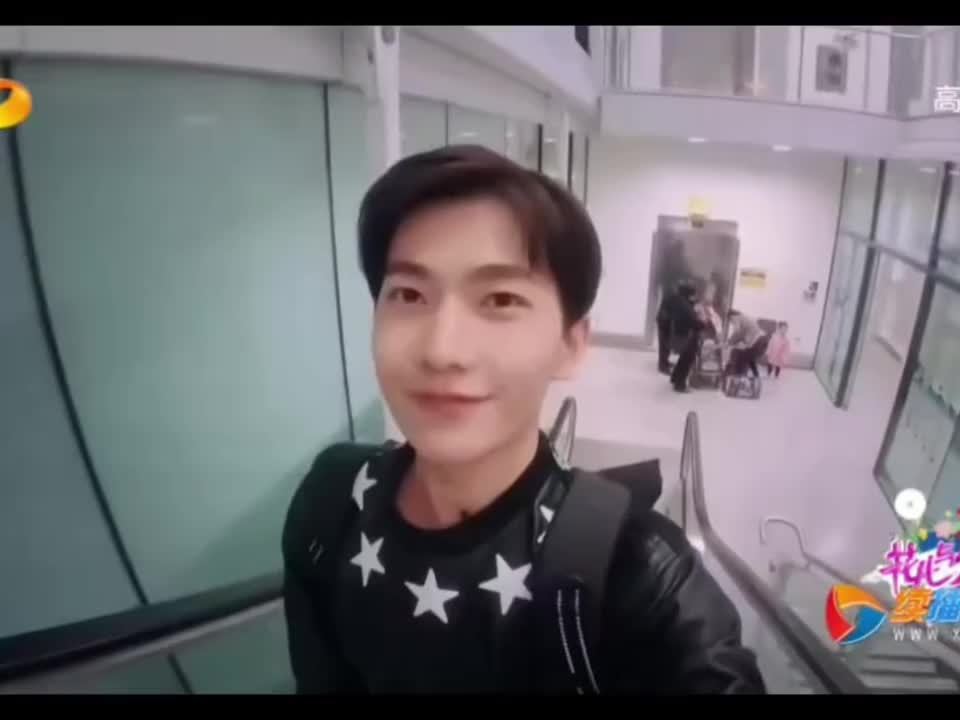
An eight-hour video essay about a travel reality show that aired in 2015 does not sound like appointment viewing. On Bilibili, China's video-sharing platform, it pulled more than 11,000 simultaneous viewers — some of them in the small hours of the morning — and it is only the longest entry in a wave of fan-made analysis that has turned Divas Hit the Road: Season 2 into the most intensively studied text in Chinese entertainment.
The show's premise was simple: seven celebrities, including singers Ning Jing and Mao Amin and actors Yang Yang and Jing Boran, share a budgeted trip abroad. The second season, however, became a byword for group friction — clipped exchanges, factional subtext, a trip that seemed to curdle on camera. Rather than fading, that reputation has compounded. Fans now call the study of the season "huaxue," or Flower Studies, an explicit joke on "Redology," the scholarly discipline devoted to Dream of the Red Chamber. A decade on, the show functions less like old television than like a set text on how groups dissolve.
The newest essays run for hours and proceed like forensic audits: frame-by-frame reads of who sat where, pause-button analysis of a glance, subtitles annotating every sigh. The verdicts shift reputations. Yang Yang, who as a 23-year-old bore the brunt of the original backlash, has come out ahead — "every time a famous scene gets excavated, his stock rises a little," as one entertainment blogger put it. A fan who watched the long-form essay wrote that she had assumed the show's reappearance on trending lists was business as usual: it never really left the dissecting table. "Then I saw one analysis with 11,000-plus people online at the same time. I was stunned."
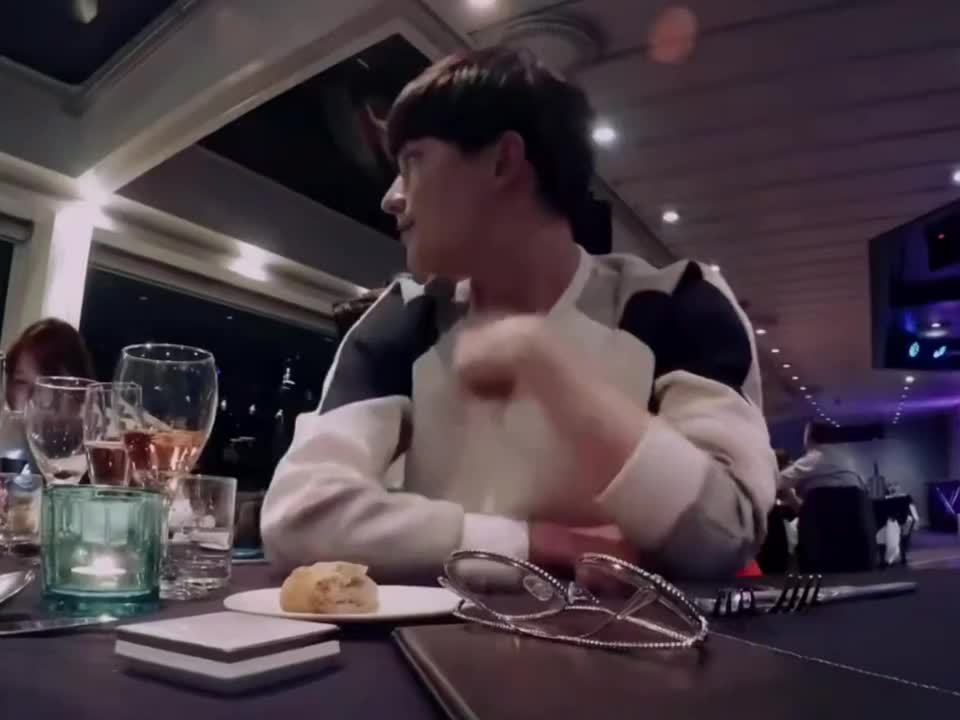
The cast has noticed. In a livestream this week, Ning Jing — who once dismissed another member's iPad-toting "work" as performing for the cameras, a moment the essays have slow-walked for years — said she knew about the analyses and joked that if fans kept asking about the raw footage, "I figure they'll have to destroy it." The quip was enough to push the topic back onto Baidu's hot search, extending a run that has already spread across platforms. Jing Boran, meanwhile, saw his decade-old exit interview resurface, complete with the nicknames he gave the cast: Xu Qing an "ageless durian girl," Mao Amin a "goofball goddess," Yang Yang "a pretty boy who knows how to act cute."
Part of the appeal is nostalgia; part is genre. Long-form "archaeology" of old variety shows has become a format of its own on Bilibili, rewarding creators who can hold an audience for hours. But Flower Studies endures for a reason the essays keep demonstrating: the season is a closed case with all its evidence on tape, a Rorschach test for anyone who has survived a group project, an office clique or a family holiday. The material never changes; the verdicts do — and that, ten years on, is the show's most durable format.