Gold Prices Plunge Amid Easing US-China Trade Tensions
The recent drop in gold prices has sent shockwaves through the market, with the international gold price dropping below $3,270 per ounce. This significant decline has left many investors wondering about the underlying causes. According to experts, the primary reason for this downturn is the breakthrough in US-China trade talks, which has led to a decrease in market uncertainty and a subsequent reduction in demand for safe-haven assets like gold. The improvement in trade relations between the two nations has boosted investor confidence, causing a shift in risk appetite. As a result, investors have become more willing to take on risk, leading to a decrease in the price of gold.
Additionally, the rise in global stock markets and the increase in oil prices have also contributed to the decline in gold prices. The drop in gold prices can be attributed to the market's cyclical nature, where periods of high demand and low demand alternate. The current decline is not a cause for panic, but rather a natural correction in the market. Investors should remain calm and focus on long-term strategies, rather than making impulsive decisions based on short-term market fluctuations. Gold can still serve as a valuable component of a diversified investment portfolio, providing a hedge against market volatility.
Experts like Wu Zewei, a research fellow at SuShang Bank, note that gold is a typical safe-haven asset closely tied to global geopolitics. With the recent easing of US-China trade tensions, the market's risk appetite has decreased, leading to a potential correction in gold prices. Although gold prices have fallen significantly, they still remain at historically high levels. Looking ahead, Wu predicts that gold prices may face significant adjustments in the short term due to the easing of trade tensions. However, considering the trade war is unlikely to be resolved soon, he remains optimistic about gold's long-term prospects.
Other experts, such as Guo Shiliang, a financial commentator, caution that if gold prices fall by more than 20% from their highest point, it may signal a technical bear market. However, a 7% drop from the high point is still within the normal correction range. Wang Hongying, director of the China (Hong Kong) Financial Derivatives Research Institute, attributes the gold price drop to several factors, including eased global risk aversion, decreased geopolitical tensions, and profit-taking by investors. The strengthening US dollar has also put pressure on gold prices.
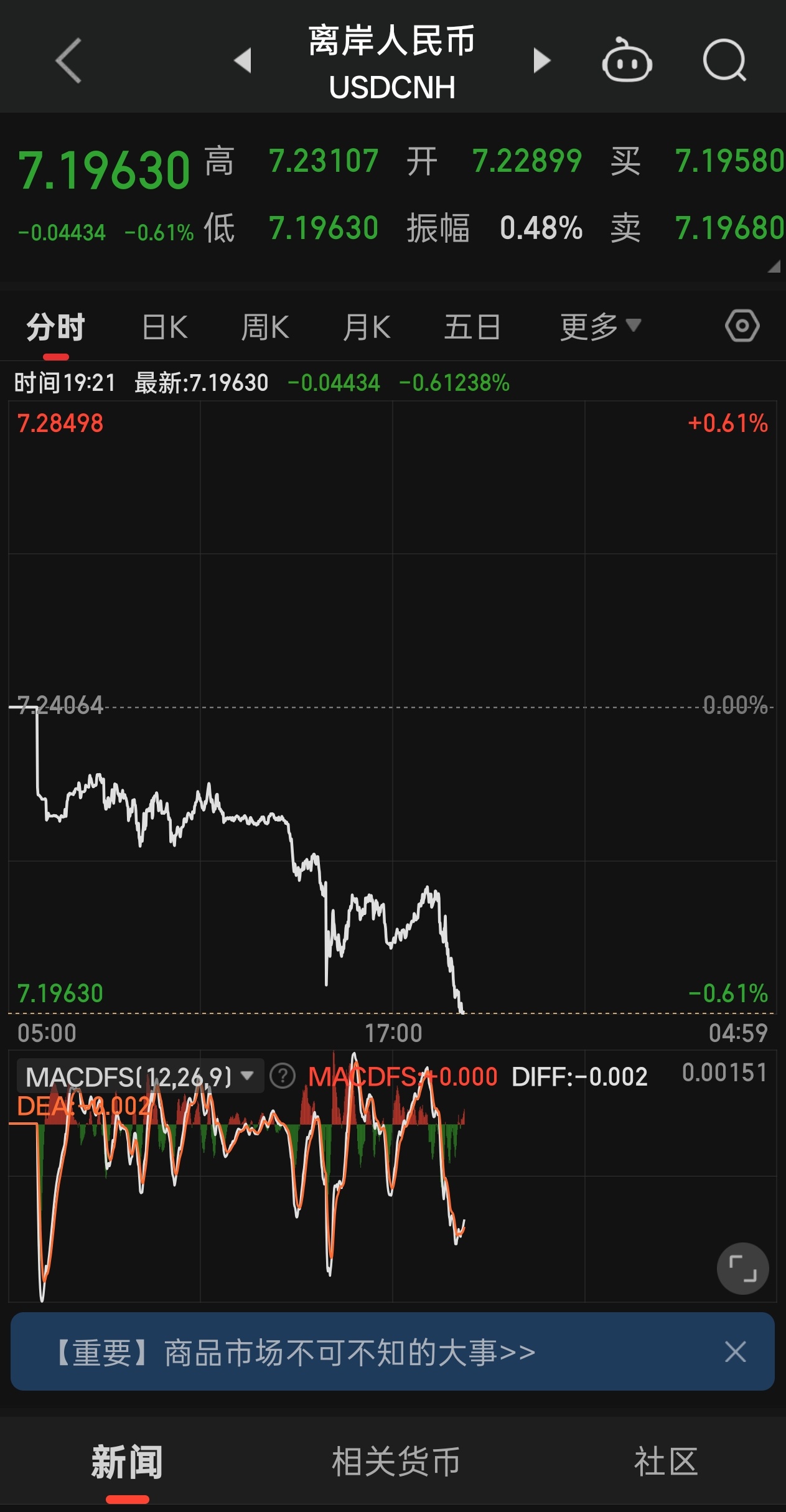
The recent breakthrough in the US-China trade talks has also had a significant impact on gold prices, with the joint statement released by the two nations sparking a marked shift in investor sentiment. The temporary suspension of tariffs on Chinese goods for 90 days has boosted investor confidence, causing a significant rise in the value of the Chinese yuan against the US dollar. This, in turn, has led to a decrease in demand for gold as a safe-haven asset, resulting in its price decline. Furthermore, the strengthening of the yuan against other major currencies, including the euro, British pound, and Japanese yen, has also contributed to the decrease in gold prices.
As investors become more optimistic about the prospects of a trade deal, they are shifting their investments away from safe-haven assets like gold and towards riskier assets, such as stocks and currencies. This trend is likely to continue as long as the trade talks remain on track, potentially leading to further declines in gold prices. To navigate these challenges, investors must prioritize a well-informed and adaptable investment strategy, considering the complex interplay of factors affecting gold prices and the inherent uncertainties and risks associated with this market. Some investors are now wondering if it's time to buy gold, with Wang Hongying suggesting that although gold prices may be volatile in the short term, the underlying structural support for gold's long-term rise remains intact. Investors can consider buying gold or gold ETFs during price corrections, but a cautious approach is recommended, focusing on shocks rather than chasing price rises.