China's Defense Ministry Says Its Satellites 'Looking at Taiwan' Is Perfectly Normal
China's Defense Ministry said it is 'nothing to make a fuss about' that Chinese satellites photograph Taiwan — and then released high-resolution satellite images of Taipei's landmarks, taken by the commercial Jilin-1 constellation, across state media and Weibo. The images show how China's space industry now treats the island's cities as ordinary terrain.
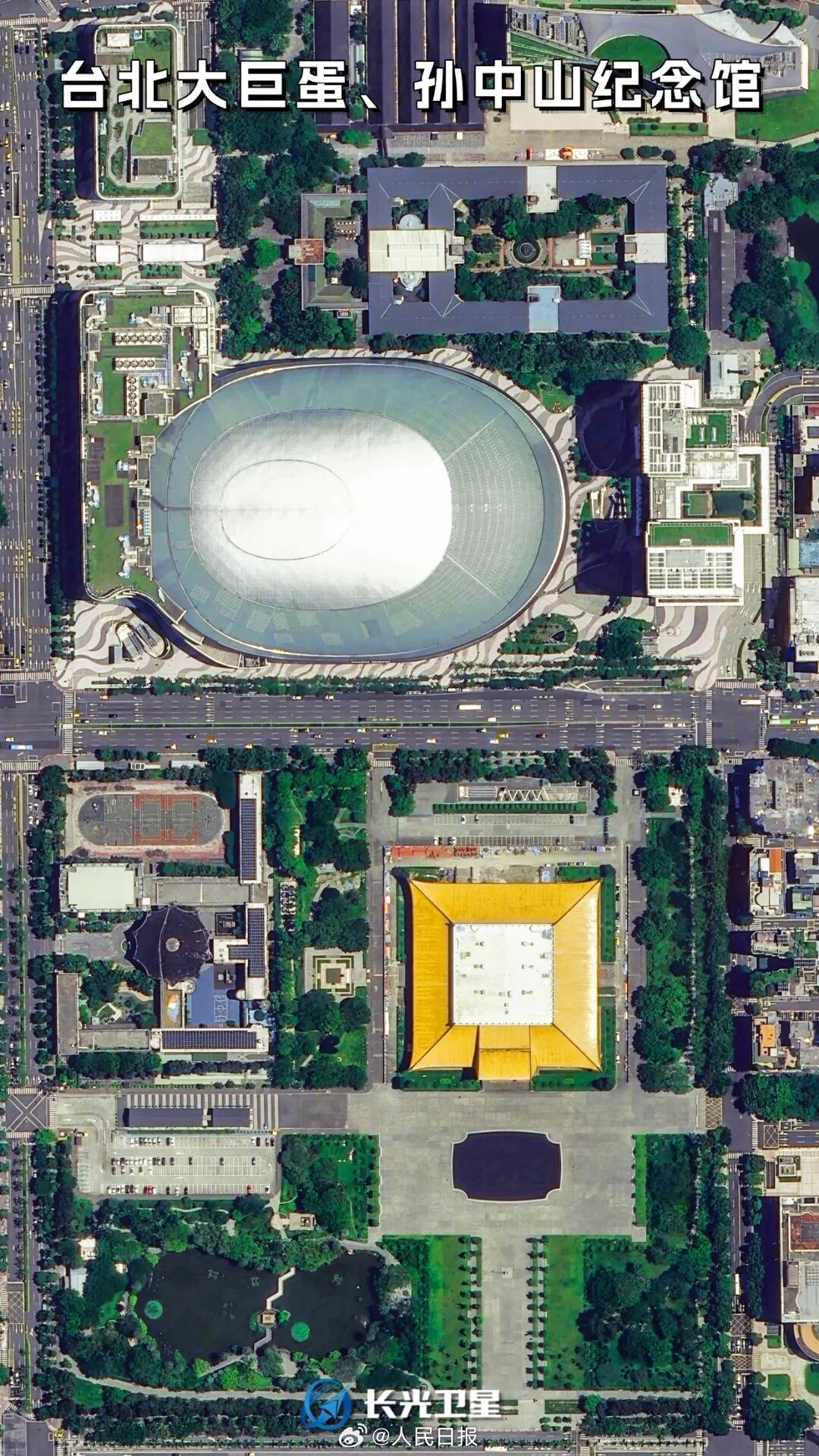
The Chinese Defense Ministry's message on Sunday was delivered with a shrug: Chinese satellites photographing Taiwan is "nothing to make a fuss about." Then the ministry and state media made the point visible, releasing a set of high-resolution satellite images of Taipei's landmarks — and the hashtag "China's satellites looking at Taiwan is perfectly normal" climbed to the top of the day's rankings.
The images came from Jilin-1, a commercial Earth-observation constellation operated by Chang Guang Satellite, and they are strikingly detailed. The set published by People's Daily under the hashtag "This is Taiwan Province" shows the Taipei Dome, the Sun Yat-sen Memorial Hall, the National Palace Museum, the Chiang Kai-shek Memorial Hall, and Taiwan University — each image labelled with the landmark's name, each carrying the operator's own credit mark. "Cities, farmland, salt fields, wetlands and harbors spread out in sequence," the caption reads. "Every street in Taiwan is clearly visible."
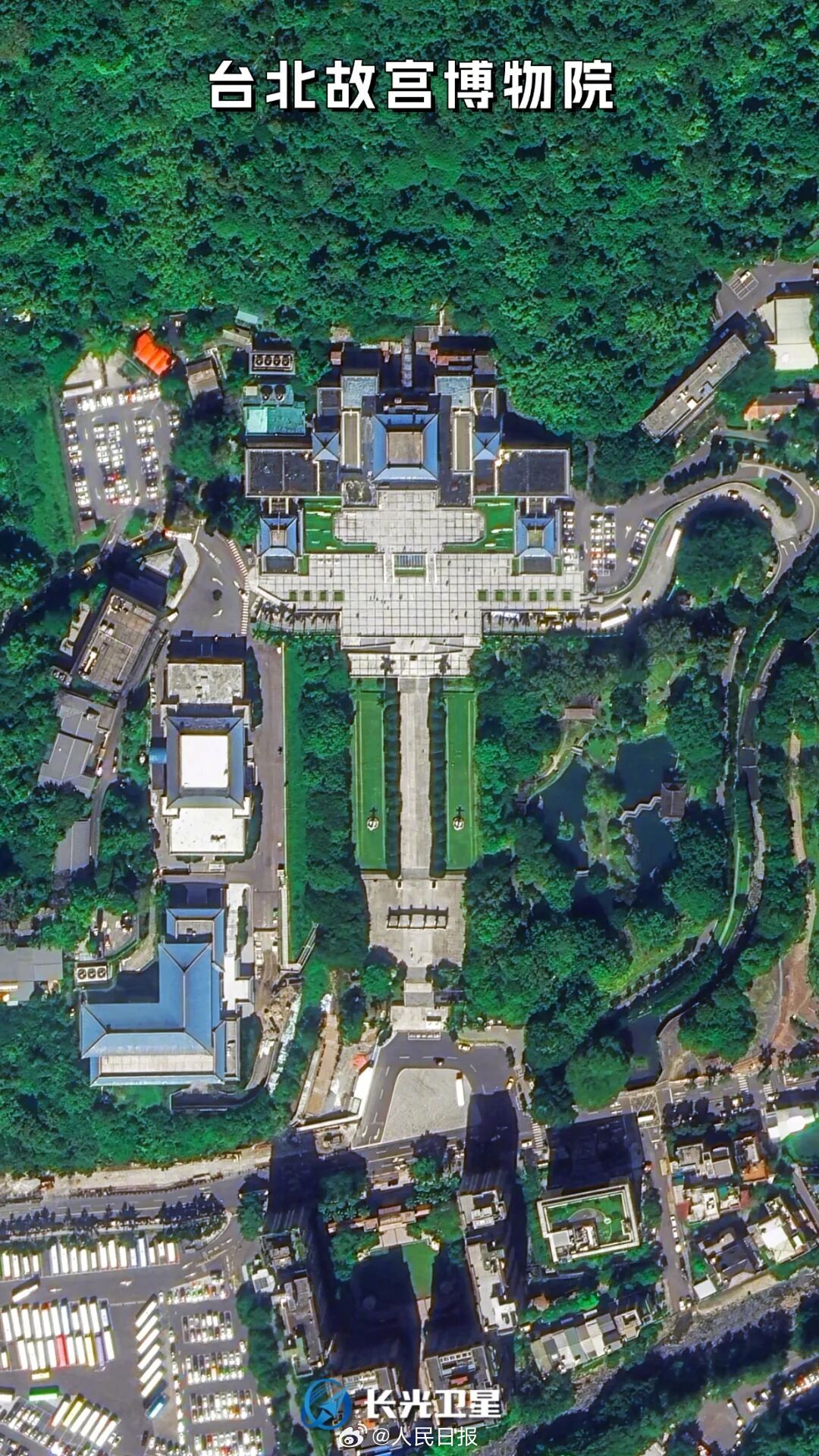
The photographs are the technical story here. Jilin-1 is a commercial constellation — a Weibo commenter noted that the images are from civilian satellites, and the images are remarkable precisely because of that. A civilian company can now publish imagery of a neighbouring capital's neighborhoods at a resolution that once belonged to spy programs. The defense ministry's framing — that Chinese satellites "looking at the great rivers and mountains of China's Taiwan" needs no explanation — is the political story: the images reframe the island as Chinese terrain, not a foreign territory, at the level of routine geography.
The release also rides a wave of Taiwan-related trending topics that has been building for weeks. A Taiwan entertainer's statement about the issue was already covered in a previous article on the site, and the satellite story has since become part of the same conversation. A Baidu item in the same day's trending list recorded that the Taiwanese entertainer Aya publicly declared "one China" on October 25, the first such explicit statement of her career, made on the anniversary of Taiwan's retrocession.
The ministry's statement and the images together are also the latest in a long line of Chinese satellite photography of Taiwan, but this is the first time the Defense Ministry has publicly framed it as a non-event. The ministry's point, in effect, is that the imagery speaks for itself: China does not need to announce what it can see.