Why a Chinese Memory Chipmaker Refused to Give Apple a Discount
ChangXin Memory Technologies, the Chinese DRAM maker known as CXMT, has turned down an Apple request for cheaper memory chips — a reversal of the usual supplier–buyer dynamic that shows how tight the global memory market has become, and how China's domestic chip demand now competes with the world's biggest brands for the same output.
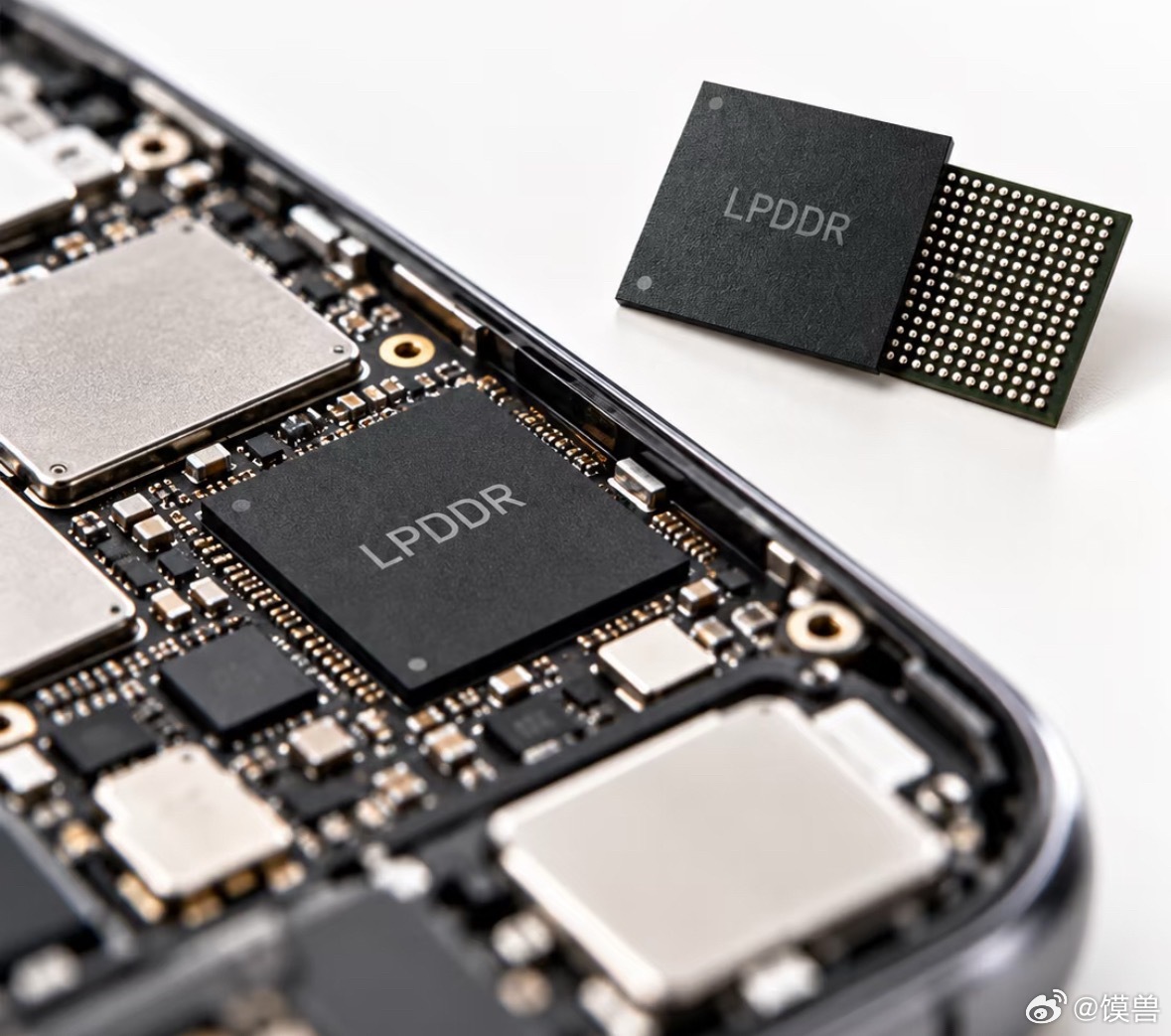
In the global electronics supply chain, Apple's requests are usually treated as wishes. Suppliers trim prices, sign long-term contracts, and consider themselves lucky to be inside the iPhone. This month, one Chinese company declined to play that part.
According to a report by the tech outlet Wccftech relayed by Chinese business media, ChangXin Memory Technologies — the Hefei-based DRAM maker known as CXMT — rejected Apple's bid for memory chips priced below what Samsung, SK Hynix and Micron charge. A financial news summary circulating on Weibo under the hashtag "CXMT refuses to cut prices for Apple" framed the refusal as a rare show of leverage from a supplier, and it quickly became one of the day's top trending topics.
The reason is not ideological. It is arithmetic. Chinese customers have already booked CXMT's mainstream production capacity through long-term contracts at premium prices — phone makers Huawei, Xiaomi, OPPO and vivo, plus internet giants Tencent, Alibaba and ByteDance. As one Weibo commentator put it: "In the past, a Chinese factory would have been willing to sell cheap to get into Apple's supply chain. Now CXMT's capacity is tight, domestic demand is strong, and it no longer cares about Apple's low-priced order." A Baidu search item added that CXMT also turned down an anonymous overseas server manufacturer — a reminder that the AI build-out is squeezing the same supply.
There is also a symbolic progress marker. Xiaomi's self-developed flagship chip, the Xuanji O3, uses CXMT's LPDDR6 memory — the first time the two-year-old Chinese chipmaker has supplied a homegrown smartphone processor, rather than merely undercutting Korean rivals on price. We covered this memory squeeze before from the phone makers' side: shipments sinking to a 14-year low as AI data centers absorb the memory supply, and Huawei and Apple both admitting they can no longer shield consumers from rising component costs. What is new is that the pressure now has a name and a refusal attached to it.
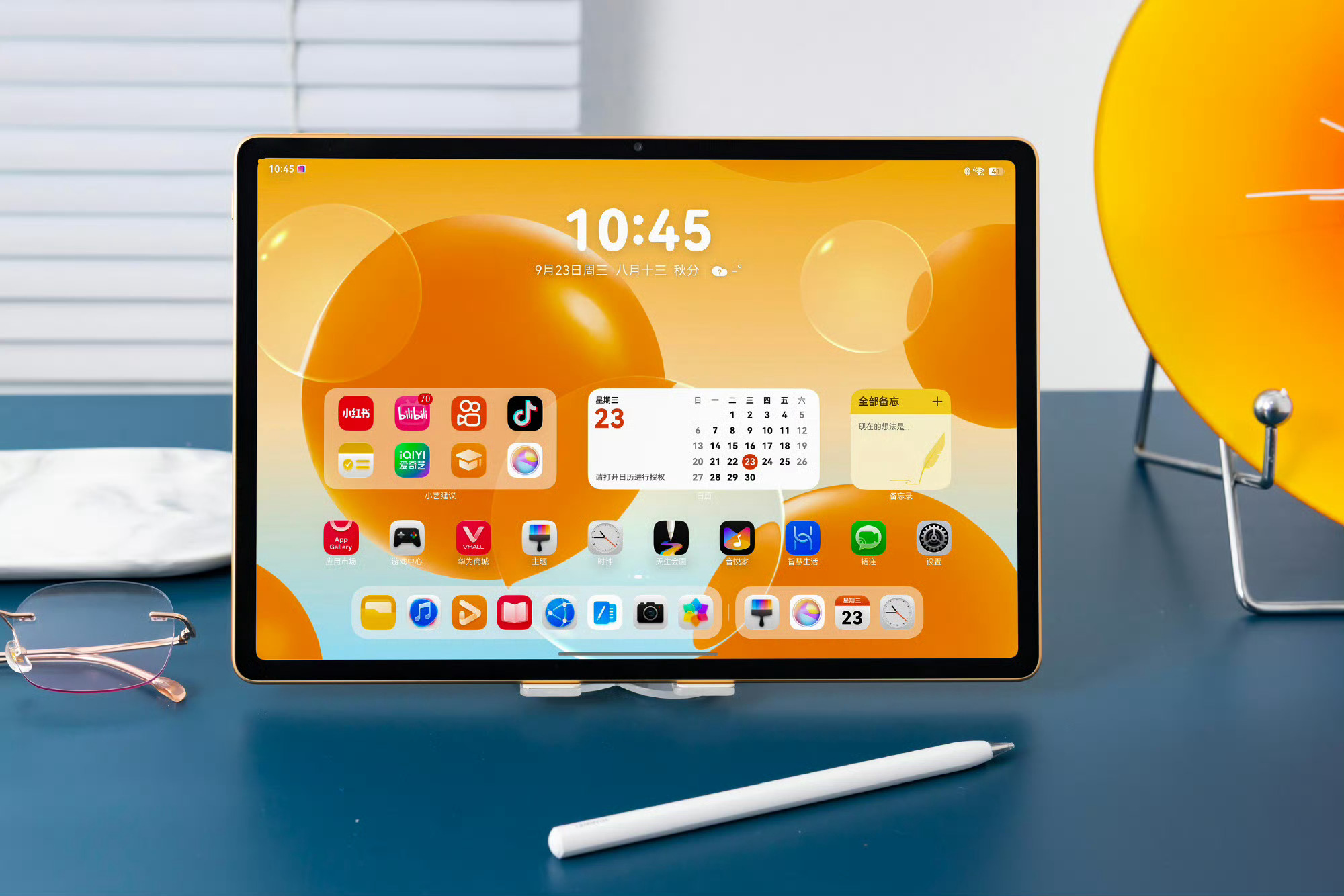
Chinese consumers are feeling the squeeze in other ways. A Chinese Blue News report found an RTX 5090 graphics card that had sold for roughly 20,000 yuan climbing past 50,000 in a matter of weeks, with store owners saying shelves are simply empty. And the tablet market, which had grown 15.6% in China a year earlier, shrank 9.8% in the consumer segment in the second quarter, according to IDC figures cited by Weibo's tech channel — partly because memory prices make updating a low-margin product line a losing proposition, and some brands are considering ending annual refreshes altogether.
Whether CXMT's refusal reflects industrial policy or plain capacity planning, no one outside the company can confirm. What is clear is which side the leverage sits on this year.