McDonald’s Japan Apologizes After Pokémon Card Giveaway Sparks Scalping Outcry and Early Promotion Shutdown
McDonald’s Japan has once again found itself at the centre of a public relations storm, this time over a highly anticipated Pokémon‑card giveaway that was abruptly pulled from stores. The fast‑food giant posted an apology on its Japanese website in early August 2025, acknowledging that the promotion ended earlier than promised and that many customers left “deeply disappointed.” What quickly turned into a simple corporate mea culpa on the internet morphed into a wider conversation about scalping, fairness and the challenges of distributing limited‑edition collectibles.
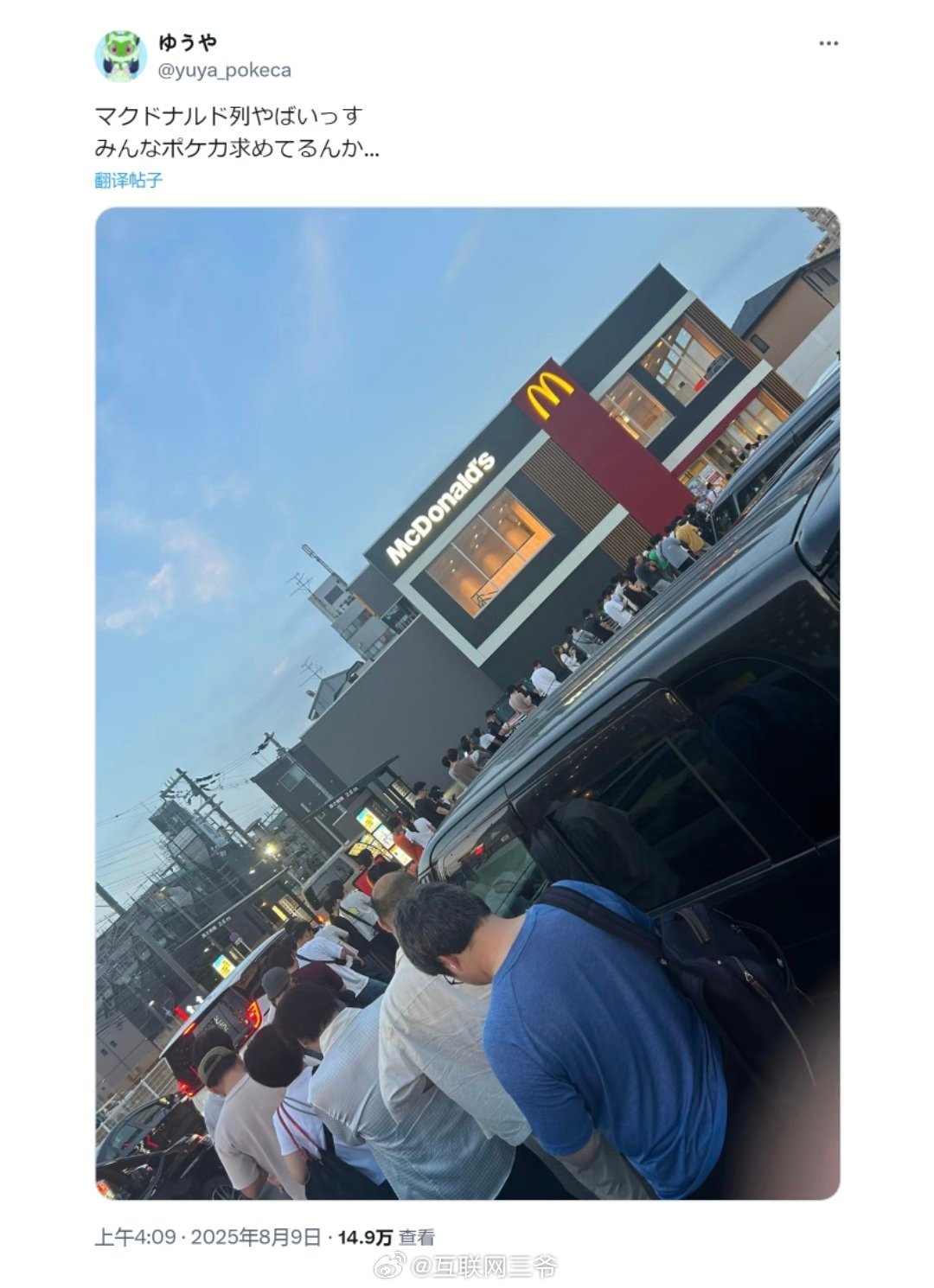
The backlash unfolded largely on China’s social‑media platform Weibo, where users coined the term “yellow cows” (黄牛) to describe the scalpers who swarmed Japanese McDonald’s outlets, buying up dozens of Happy Meals at the crack of dawn – some reports even mentioned lines forming at 4 a.m. – only to discard the food and resell the coveted Pokémon cards for four to five times their face value. The practice, described by netizens as an outright “abuse of the system,” left genuine fans who wanted a meal and a card empty‑handed as the inventory vanished within minutes.
While the company’s apology – “McDonald’s Japan apologizes for the premature termination of the Pokémon card promotion and for not meeting customer expectations” – was broadcast in the usual formal tone, many commenters felt it was too little, too late. Critics argued that McDonald’s initial safeguards were insufficient to deter the scalpers, and that the decision to end the promotion early, though intended to curb the resale frenzy, only added to the frustration of those who had queued in good faith. Images of long, sleepy queues and exhausted families circulated alongside memes mocking the “4 am Japanese McDonald’s” phenomenon, underscoring how intense the demand had become.
The episode is not an isolated misstep. McDonald’s Japan has a long history of public apologies that span food‑safety scares, supply‑chain glitches and promotional blunders. In 2015, a customer discovered a human tooth in a batch of fries at an Osaka outlet, prompting the company’s chairman to bow and apologize publicly while vowing tighter quality controls. Two years earlier, the chain was embroiled in a scandal over expired chicken supplied by Shanghai‑based Fuyuan (福喜) Food, leading to a temporary suspension of several menu items and another apology from senior executives. More recently, in 2022 severe flooding at Vancouver’s port disrupted deliveries, forcing the temporary removal of medium and large fries from the menu and sparking yet another corporate contrition. In June 2023, a technical fault left a batch of burgers undercooked; the incident was swiftly acknowledged, and the company again took to the press to apologize for the lapse.
These recurring apologies have a cultural dimension. In Japan, a senior executive’s public bow carries significant weight, serving as both a gesture of remorse and a reassurance that the company will rectify the problem. Media outlets, from national newspapers to online platforms like Dahe Daily, amplify these gestures, often highlighting the ritualistic nature of the bow and the promise of corrective action. The combination of a globally recognized brand, heightened consumer expectations around food safety, and a media ecosystem that rewards transparency makes any slip‑up a headline magnet.
The Pokémon‑card saga, however, introduces a new layer to the debate. Unlike past incidents that centered on product safety or supply chain integrity, this controversy is about the allocation of a limited‑edition, highly desirable item. It raises questions that extend beyond fast food: How can companies design promotions that protect legitimate customers from scalpers? What technological or policy tools—such as purchase limits, age verification or staggered releases—might prevent a rush that fuels a secondary market? And, perhaps most tellingly, how should a brand balance hype with fairness when the very scarcity that drives excitement also creates a lucrative resale ecosystem?
For many Weibo users, the answer lies in stricter enforcement. Some suggested that McDonald’s could require proof of purchase before allowing customers to claim a card, while others called for real‑time inventory monitoring to shut down bulk buys in real time. A few commenters pointed to the success of ticket‑selling platforms that use queue‑management algorithms, hinting that a similar system could be adapted for fast‑food promotions.
In the end, the apology from McDonald’s Japan is unlikely to erase the immediate disappointment, but it adds another chapter to a pattern of corporate accountability that Japanese consumers have come to expect. The company’s challenge now is not just to say sorry, but to demonstrate concrete steps that safeguard genuine diners while still harnessing the marketing power of limited‑edition collaborations. As the Pokémon card fiasco shows, the line between fan enthusiasm and opportunistic scalping is thin—and in the age of viral social media, the public is quick to spotlight every misstep. Whether brands navigate the complex terrain of modern consumer culture.