Trump's Trade War Legacy: 75,000 Jobs Lost and Counting
The US-China trade war, initiated during Trump's previous term, has been criticized for creating a vicious cycle. The tariffs imposed by the US were meant to protect American industries, but they have had unintended consequences. The tariffs led to retaliatory measures from China, severely affecting American farmers. To mitigate these effects, the US government provided financial aid to these farmers. However, this aid was largely funded by the revenue generated from the same tariffs, creating a cycle where the tariffs, intended to strengthen American industries, end up being used to compensate for the damages caused by the trade war itself.
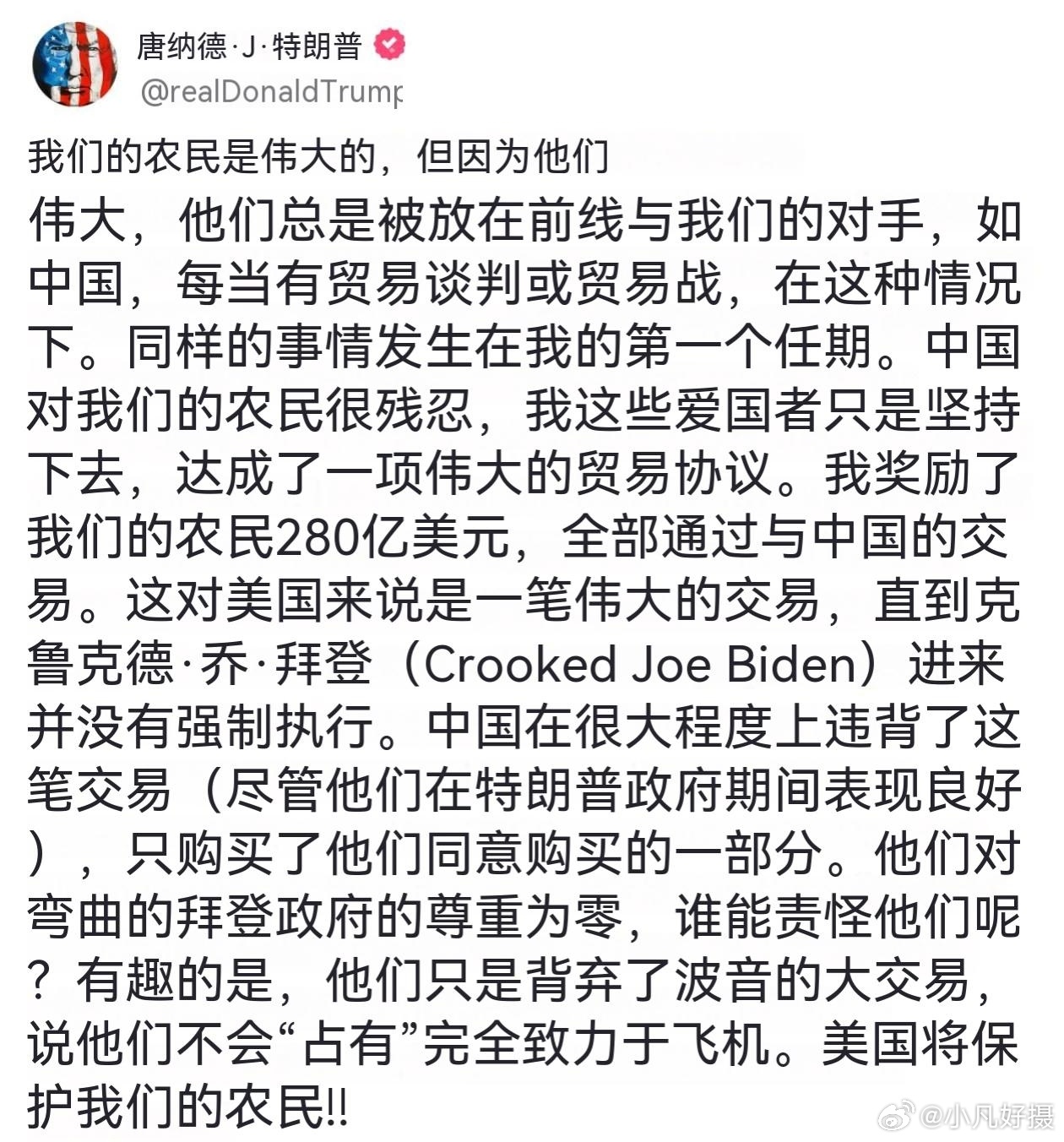
A report highlights that 92% of the income earned by the US from tariffs was used to provide relief to farmers who were hurt by China's countermeasures. This circular approach not only fails to resolve the trade disputes but also complicates the economic landscape for American companies. The tariffs increase costs for businesses that rely on imported goods, making them less competitive globally. According to a report by the Peterson Institute for International Economics, the trade war could lead to the loss of up to 2.1 million jobs in the US. Furthermore, the US trade deficit with China has increased, and the trade war has had a negative impact on the US economy, including higher prices for consumers and reduced economic growth.
The trade war has also caused a shift in global trade patterns, with China increasing its trade with other countries such as Brazil and Russia. Some US companies are relocating their production to other countries to avoid tariffs, which could lead to job losses in the US. The Dow Jones Industrial Average has experienced significant declines due to the trade war, indicating its negative impact on the US stock market. A recent survey found that 61% of respondents felt that the Trump administration is "strong-arming" American businesses, and a majority anticipate layoffs in the next nine months due to the pressure on their businesses. This raises concerns about the potential consequences of the administration's trade policies on the US job market, which has already been criticized for shedding 75,000 jobs during Trump's previous term.
The trade war's impact on American businesses is further complicated by the challenges of reshoring their supply chains. A report from Morgan Stanley suggests that investors may continue to be "jerked around" on the issue of tariffs, and American businesses are likely to struggle in meeting the government's expectations. A staggering 81% of respondents indicated that even if manufacturing were to return to the United States, it would likely rely more heavily on automation rather than human labor, which may not lead to the creation of more jobs. As the trade tensions continue to escalate, it remains to be seen how American businesses will navigate this uncertain landscape and what impact it will have on the country's economy.
In a recent development, US import orders have plummeted by 64%, with the number of bookings for standard containers declining by 49% in just one week. This collapse in imports is largely attributed to the uncertainty surrounding the trade war and the tariffs imposed by the Trump administration. The decline in imports has been particularly significant in the apparel sector, with orders decreasing by 59.1%. Other industries, such as plastics and copper, have also seen a significant decline in orders. The trade war has led to a freeze in trade, with many companies hesitant to place new orders due to the uncertainty surrounding tariffs.
The situation has been further exacerbated by the Trump administration's recent announcement of new tariffs on Chinese goods. The move has led to a decline in the stock prices of major US companies, including Apple, Tesla, and Amazon. The US stock market has also been affected, with the Dow Jones Industrial Average experiencing significant declines. The trade war has also had a negative impact on the US agricultural sector, with China turning to other countries such as Brazil for imports. The decline in US exports has led to a significant increase in the trade deficit, which is expected to have a negative impact on the US economy.
In response to the trade war, China has been focusing on developing its own economy and reducing its dependence on the US. The country has been increasing its trade with other nations and has been actively promoting its own industries. The trade war has also led to a shift in global trade patterns, with other countries such as the EU and Japan increasing their trade with China. The US, on the other hand, has been facing significant challenges in its trade relationships, with many countries imposing retaliatory tariffs on US goods.
The Trump administration's trade policies have been widely criticized, with many experts arguing that they are having a negative impact on the US economy. The administration's decision to impose tariffs on Chinese goods has led to a significant increase in costs for US businesses, making them less competitive globally. The trade war has also had a negative impact on the US job market, with many companies relocating their production to other countries to avoid tariffs. As the trade tensions continue to escalate, it remains to be seen how the US will navigate this uncertain landscape and what impact it will have on the country's economy.
In a recent speech, Chinese official Xia Baolong criticized the US for its trade policies, stating that the country is "trying to bully China" through the use of tariffs. Xia Baolong also pointed out that the US has been imposing tariffs on Chinese goods, which has led to a significant decline in US imports. The trade war has also had a negative impact on the global economy, with many countries facing significant challenges in their trade relationships. As the situation continues to escalate, it remains to be seen how the US and China will resolve their trade differences and what impact it will have on the global economy.
The US-China trade war has had significant negative consequences for the US economy and job market, and a resolution to the trade dispute is necessary to mitigate these effects. The trade war has led to a decline in US exports, an increase in the trade deficit, and a negative impact on the US stock market. The situation has been further exacerbated by the Trump administration's recent announcement of new tariffs on Chinese goods, which has led to a decline in the stock prices of major US companies. As the trade tensions continue to escalate, it is essential for the US and China to find a resolution to the trade dispute and work towards a more stable and cooperative trade relationship.