Beijing Defends Starbucks's Xinjiang Expansion Against US 'Morally Bankrupt' Charge
A US House committee attacked Starbucks's first stores in Xinjiang as 'morally bankrupt'; China's foreign ministry called the genocide claim behind it a lie and billed the openings as proof of China's openness to foreign business.
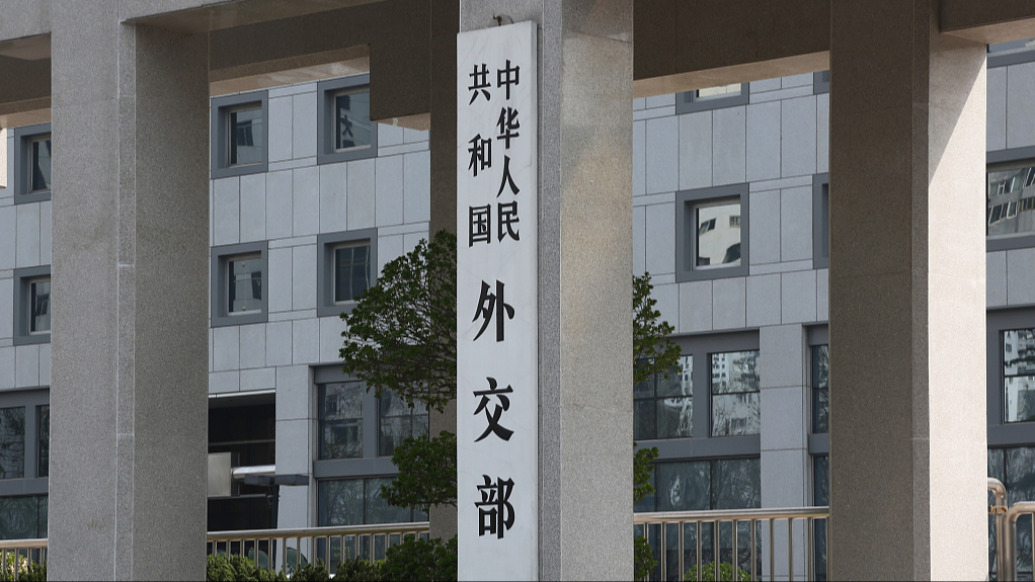
At Saturday's foreign ministry briefing, spokesman Guo Jiakun took questions from Reuters and AFP on a subject that would have sounded improbable a month ago: where Starbucks opens coffee shops. The US House select committee on China had attacked the chain's new Xinjiang stores as "morally bankrupt," restating its claim that China commits genocide against Uyghurs there. Guo's reply was categorical. The genocide charge, he said, is "a blatant lie," the committee habitually fabricates for political ends, and Xinjiang enjoys social stability, economic development and religious harmony. China, he added, will keep expanding opening-up and offer foreign companies more room to invest.
The stores at issue opened barely days ago: Starbucks's first outlets in Xinjiang, fronted by a flagship at Urumqi's Grand Bazaar. What was pitched as a retail milestone has within a week become a geopolitical flashpoint, with the state's response now leading CCTV, The Paper and Yicai's news boards alongside the Weibo hot search 美方指责星巴克在新疆开门店 — "the US blames Starbucks for opening stores in Xinjiang."
On Weibo, the argument has been conducted in coffee-drinker's terms. One widely shared infographic maps every Starbucks store in China, its green dots thickening along the eastern seaboard and thinning to nothing over the far west — the empirical version of what one commenter put as: "The Americans are so mean. Xinjiang people just want a Starbucks, what's wrong with that?" A finance blogger recalled searching for the chain in Urumqi in July and finding none in the entire city, while Luckin outlets abounded; he had been told this was a matter of distance and cold-chain costs. Now, he wrote, he "finally understands" it was political — and reads the opening as a consequence of the deal that put Starbucks's China business under majority Chinese ownership, a framing circulating widely but not confirmed by the company.
The exchange sets up exactly the squeeze Beijing says foreign firms should not have to feel, and Washington's committee says they should: a brand selling lattes in a market of 25 million people while a US legislative body declares the act itself a moral failure. The foreign ministry's answer on Saturday was to hold the door open — more opportunities for foreign business, it said, are coming — while daring other brands to follow Starbucks west under the spotlight the committee has now switched on.