Five Million Yuan Now Earns About 145 Yuan a Day: China's Yu'ebao Nostalgia Explained
A viral question — what would five million yuan earn in a day in Yu'ebao? — returned an answer of 144.87 yuan, and the number has Chinese savers reminiscing about the fund's early years, when 10,000 yuan visibly earned one yuan a day. The arithmetic is a small window into China's low-rate era.
How much does five million yuan earn in a day? The question trended on Weibo this week after a short video posed it about Yu'ebao, Alipay's embedded money-market fund, and the most-shared answer came from the novelist Liu Xuan: 144.87 yuan, or about 4,346 yuan a month (her post drew more than 1,300 likes). Five million yuan is beyond most people's reach — but the number became a measuring stick, because savers remember when the same money did far more.
“A long time ago, Yu'ebao paid one yuan a day on 10,000 yuan,” Liu wrote. “Back then, five million would have earned 500 a day.” Other replies went further. One user posted screenshots of his own account — 117 yuan of earnings the previous day on a large balance — and calculated that a month of interest now falls short of 4,000 yuan, “just enough for an ordinary person's basic living expenses.” Remembering the old rate, he added, 10,000 yuan today no longer buys even a steamed bun in daily interest.
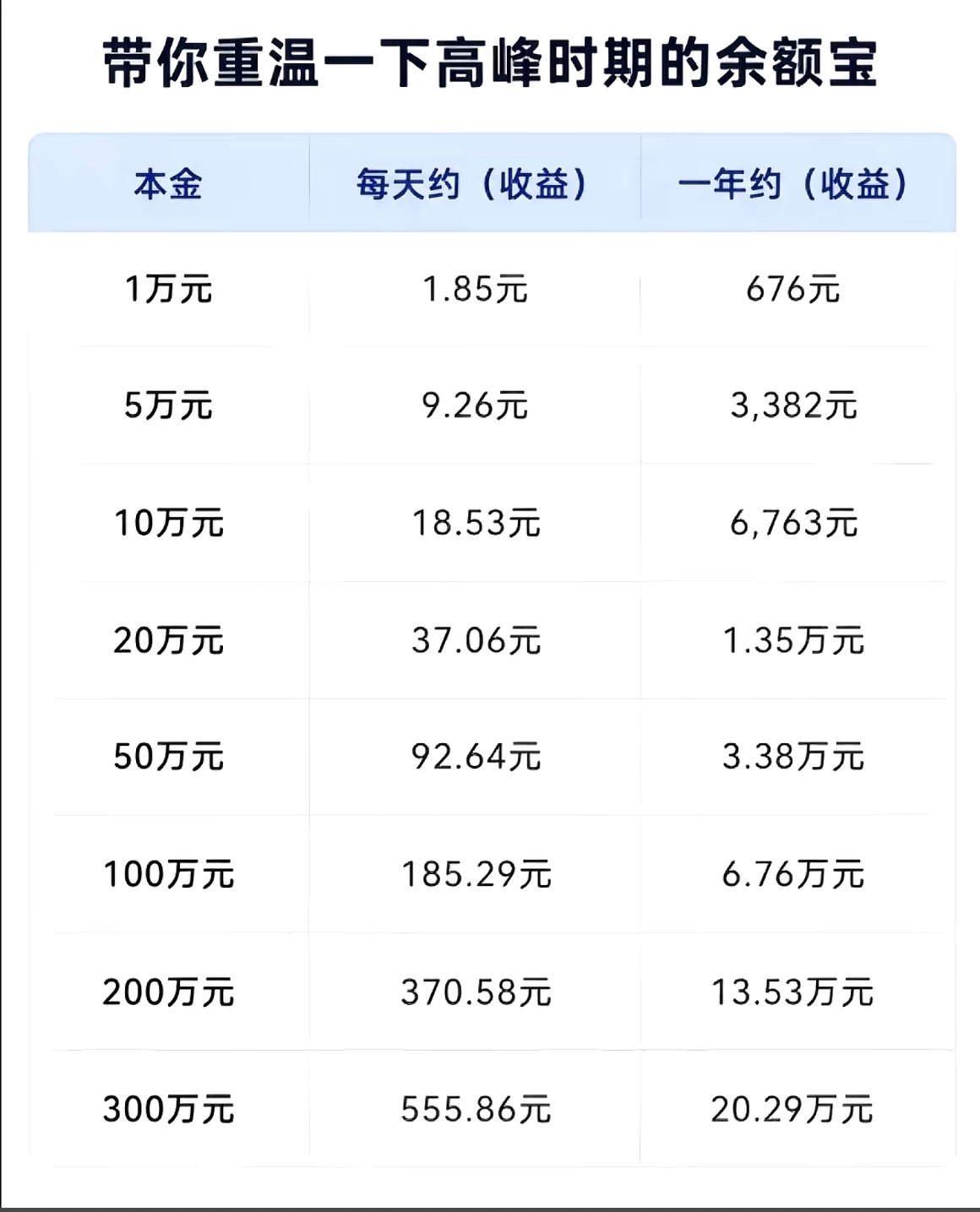
The nostalgia is about more than arithmetic. Yu'ebao, launched in 2013 inside Alipay, was many Chinese people's first investment: spare cash that sat in the payment app and visibly grew every morning, at yields that briefly topped 6 percent. The advertised one-yuan-per-10,000 became the fund's calling card, and an entire generation of savers learned what compound returns felt like from it. As the chart shared alongside one remembrance post shows, a 10,000-yuan balance once pulled in 1.85 yuan a day; the same money now earns a few cents.
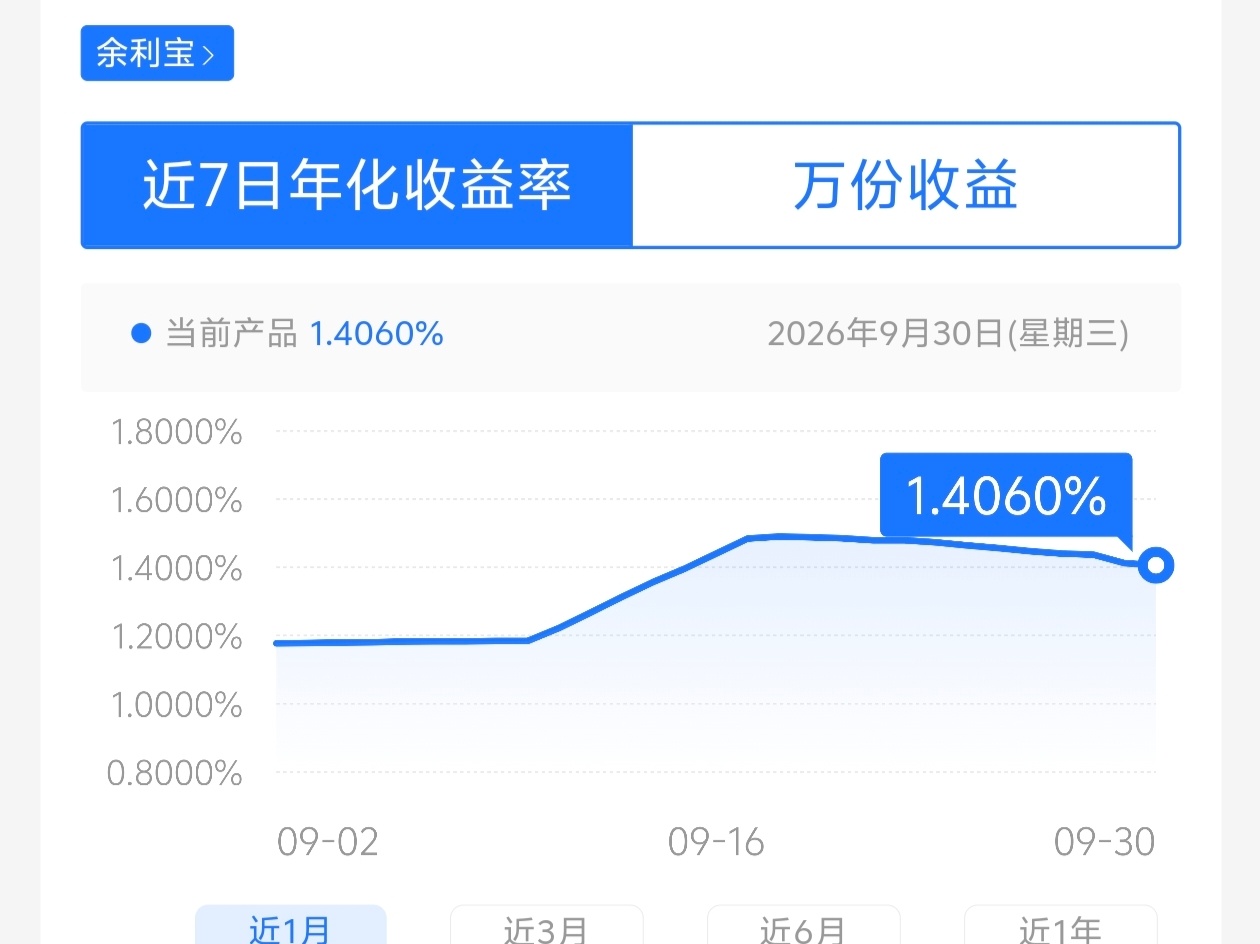
The reason is the monetary climate, not the fund. Yu'ebao's yield tracks short-term money-market rates, which have fallen for years as the People's Bank of China cut rates to support a sluggish economy, and this week the fund's seven-day annualized return stood around 1.4 percent — barely above inflation's floor. Bank deposits pay less still. The consequence is reshaping household finance: with passive income shrinking, households have been shifting cash into equities, as the site covered when August's credit data came in, and younger savers are buying gold on price dips instead of leaving money in the bank.
The viral arithmetic puts the change in human terms. The old Yu'ebao made saving feel like a small, reliable wage; its present yield means even a fortune of five million yuan — the kind of sum people describe as enough to retire on — produces less than a basic monthly income. The number savers keep passing around is less a fantasy about wealth than a yardstick of the era: the same app, holding the same money, quietly earning one-tenth of what it once did.