After Seven Seasons, Back to Field Signs Off as Its Host Chooses the Theatre
Huang Lei has confirmed he will not return to Back to Field, the farmhouse slow-living show that ran for seven years and created a whole Chinese television genre. His farewell — 'what never changes is called forever; what has ended is forever' — capped a weekend of fan mourning for unhurried television.
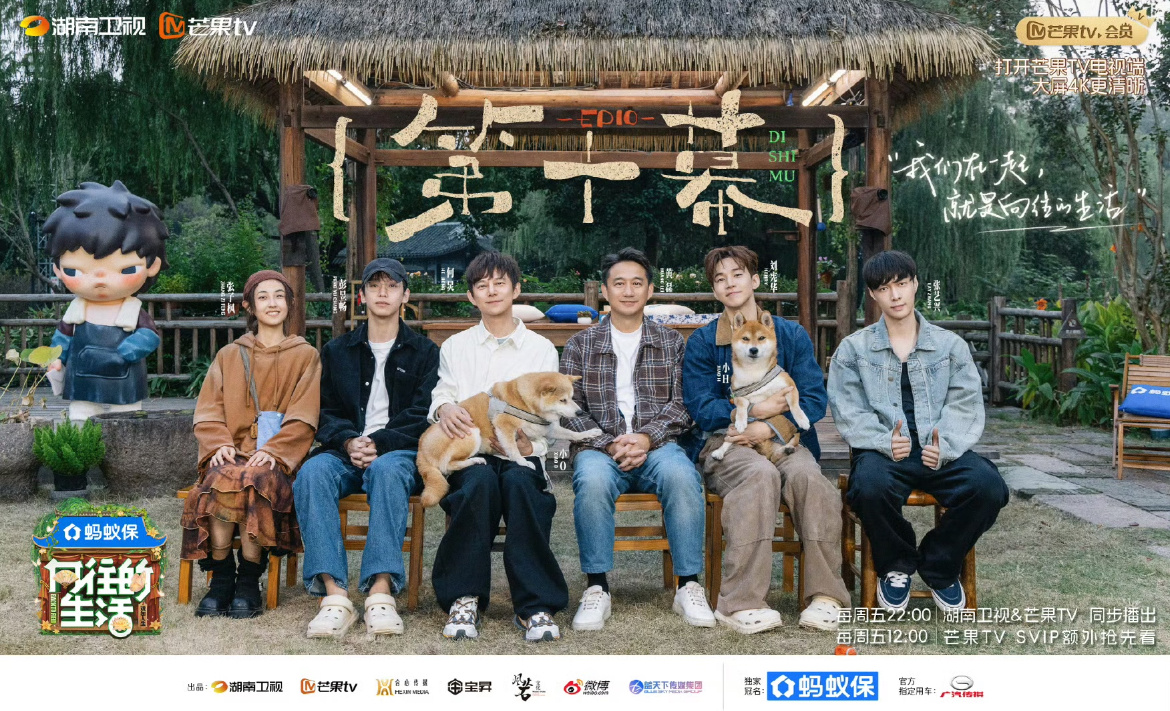
Huang Lei has settled the question that follows every Chinese variety star now: the mushroom house is closing. Asked on the film-festival circuit whether he would return to Back to Field (向往的生活), the actor, chef and taster-in-chief of Chinese slow television replied, in a clip that spread across Weibo, that "this year there is no such show any more" — and that he will pour his energy into the Wuzhen Theatre Festival he founded instead. "What never changes is called forever," he said. "What has ended is forever."
For seven years, Back to Field was the gentlest block of prime time in China. The format — licensed from the Korean series Three Meals a Day — stranded three hosts and their guests in a farmhouse, where nothing could be eaten until it was grown, traded or cooked by hand. Guests arriving as polished celebrities were put to work husking corn, lighting wood stoves and repaying dinner with chores. Huang Lei, nicknamed "Chef Huang" (黄小厨), ran the kitchen; He Jiong ran the small talk; a dog and a line of sheep ran the lawn.
Mourning an evening without KPIs
The fan response was less grief than an audit of why the show mattered. A widely shared comment liked more than 700 times traced the series from the infamous season-one bean poisoning — a guest undercooked green beans, and the mishap became one of Chinese TV's most durable jokes — to the eighth season's farewell in Wuzhen, and landed on the real object of nostalgia: "What we miss is not just Chef Huang's cooking. It's that stretch of time when someone cooked, someone chatted, and there was no KPI." The same post endorsed the ending as a class act: "Stop when it's time to stop, instead of waiting until people are sick of you."
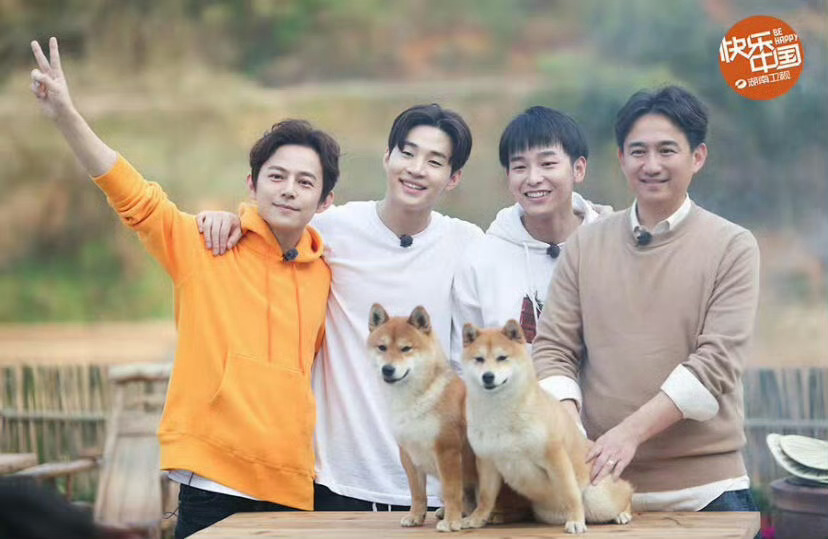
That reading — better an ending than a slow bleed — says something about where Chinese variety television now finds itself. Back to Field launched the "slow variety" (慢综艺) wave in 2017, and the market responded the way markets do: with clones until the calm itself felt manufactured. By this season, even affectionate viewers debated whether the mushroom house's unplugged life had become a set routine, its informality as scripted as a talent contest. Huang's other farewell line — "the mushroom house chapter is written; thanks for seven years of company" — was met with the particular Chinese verdict of "ting de ting hao" (停得挺好, stopped at its best).
He keeps Wuzhen, the theatre festival that has grown into one of Asia's serious stage gatherings. The show leaves behind an entire genre it invented, and a question its ending poses to a burned-out audience: if rest itself has become content, where do you go to get the real thing?