Booked Solid No More: China's Young Travelers Are Falling Out of Love With Minsu
A guesthouse owner in central Chongqing spent this summer watching half his rooms sit empty a five-minute walk from the city's top attractions, and on the last day of the school holidays put his three-year-old business up for sale. His plight is the industry's: some 375,000 Chinese minsu now compete on sameness and price as young travelers drift to hotels, concerts and festivals.
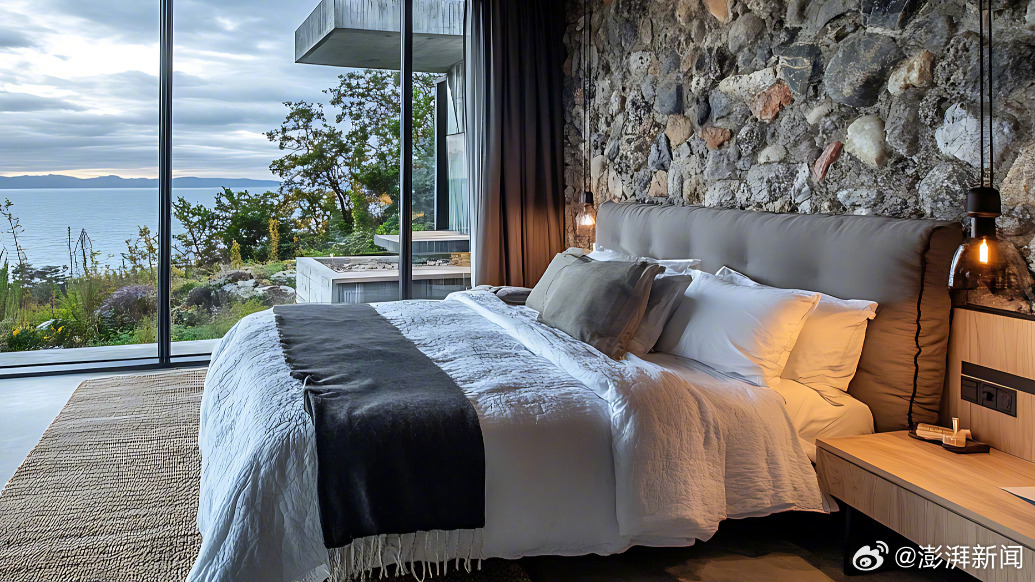
The guesthouse could hardly have been better placed — a five-minute walk from Jiefangbei, the monument at the heart of Chongqing's most-photographed downtown, and from the Shibati heritage steps. Yet through the tail of the summer peak it sold three to five rooms a night out of twelve, an occupancy rate below half. On August 31, the last day of the school holidays, owner Yan Yekuan put the business he had run for three years up for transfer. 'The first two years, winter and summer breaks were full every day; for the May and October holidays, rooms were booked out half a month ahead,' he told The Paper. 'This summer I watched more than half of twelve rooms sit empty every day, anxious and unable to explain it. The travel market is obviously booming — so where are the guests?'
His confusion is the industry's. Before this season China had roughly 375,000 registered minsu — guesthouses in converted farmhouses, old-town courtyards, high-rise flats — the fruit of a decade-long boom that turned places like Lijiang in Yunnan into whole districts of guest beds. This summer occupancy slid and room rates followed across much of the country, and the analysts quoted in the Chinese coverage converge on three causes: oversupply, a near-identical product — the same rattan chairs, the same 'national-style' courtyards — and a young clientele that has seen through the formula.
The travelers have not stopped moving; they have stopped paying for atmosphere. Concert trips, music festivals and 'following a show to a city' absorbed the discretionary spend this summer — the site recently traced how far that habit now reaches — while hotels, newly flexible on price, took the rest: coverage on Baidu's hot board reports mid-to-high-end hotel rates falling by as much as half. The minsu premium of the 2010s rested on scarcity and novelty, and both have expired; what once promised 'living like a local' is now, as one commentary put it, a room with the same decor as the one in the next old town over.
For the international reader, the slump is a rare unvarnished look inside China's experience economy, which the state count of things renders in booming totals — some 954 million rail trips this summer — while the small businesses built on top of the travel wave fight for margin. Chongqing's guesthouse districts grew on the promise that every visitor wanted a courtyard and a balcony over the Hongyadong lights. The tourists are still there, in record numbers; they are sleeping in hotel chains that cost less.