How to Recover From a Late Night, According to China's Trending Health Guides
A late-night recovery guide trending at No. 5 on Weibo offers concrete advice — rehydrate before caffeine, cap naps at 30 minutes, walk in daylight, no coffee after noon — and a reminder of why 熬夜, staying up too late, is one of the most loaded words in Chinese internet life.
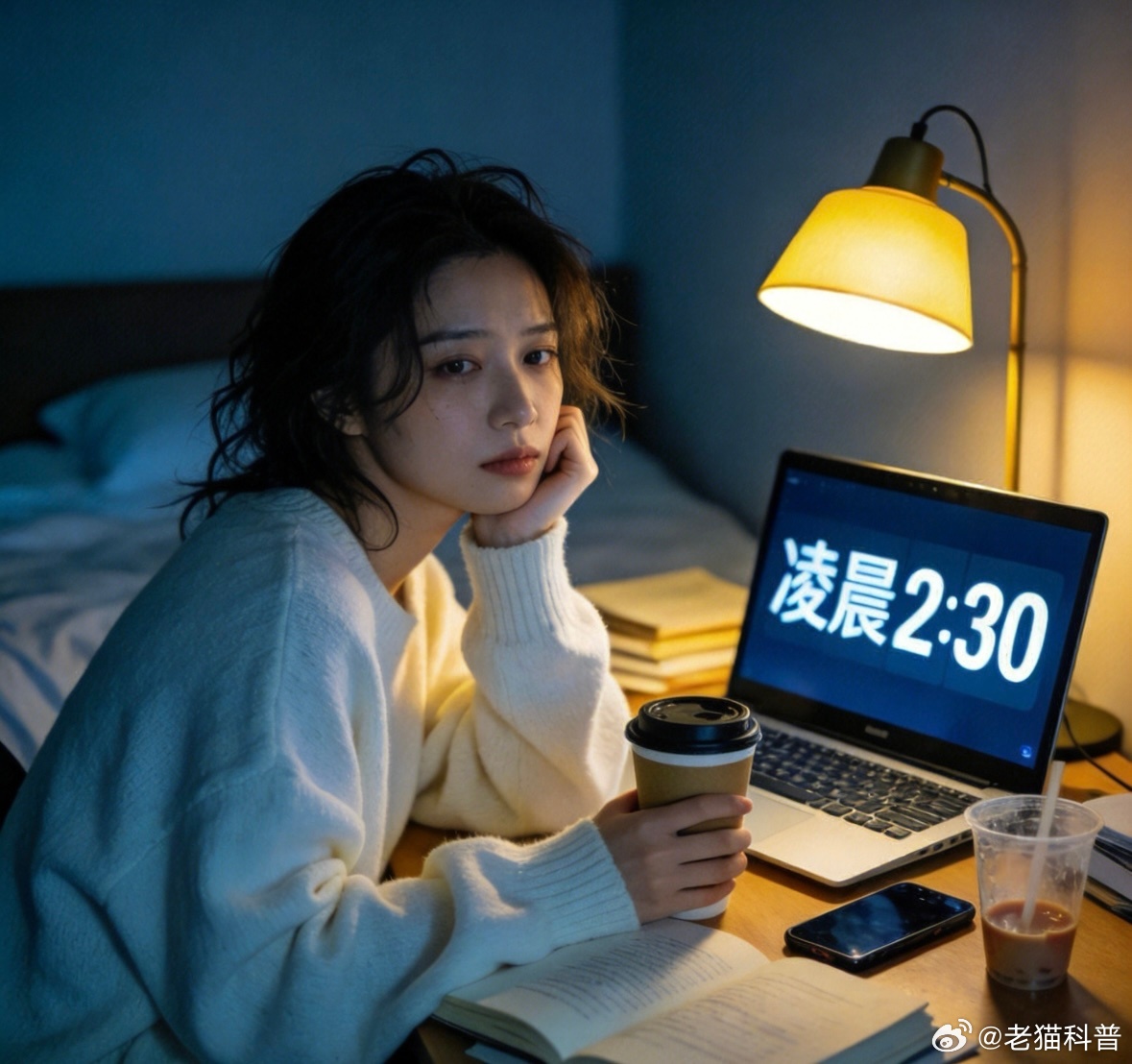
China's most-read health advice of the week is addressed to everyone who watched the clock pass 2 a.m. and paid for it the next morning. "How to properly recover after staying up late" (熬夜之后如何正确恢复身体) sat at No. 5 on the Weibo hot-search board, a post liked more than 4,000 times, with a follow-up guide by a science blogger spreading in parallel. The advice is refreshingly concrete — and it opens a window on why so many Chinese readers needed it in the first place.
The first instruction is the counterintuitive one: do not spend the day in bed. Sleeping until mid-afternoon, the guides say, leaves you groggier and wrecks the next night's sleep. Instead: rehydrate with warm water before reaching for coffee, because a caffeine blast on a depleted body brings palpitations and jitters. Eat a light breakfast — eggs and whole-grain bread, not last night's greasy takeout. If daytime sleepiness hits, set an alarm for a 20-to-30-minute nap, never longer than an hour. A small coffee before noon is fine; caffeine after midday is not. Skip the intense gym session — a ten-minute walk in sunlight is the prescribed tool for nudging the body clock back — and go to bed one or two hours earlier than usual that night, resisting the urge to "pay back" the sleep debt in a single twelve-hour installment.
The checklist comes with a skepticism baked in from the comment sections. Under the resurfaced advice, an older comment still circulates: "Sleeping from noon to five in the afternoon — can you still fall asleep at night?" (a screenshot now recirculating with the guide). The bloggers' answer is essentially: exactly right, and that is why the long lie-in fails.
Why does this particular checklist trend at the end of August? The word at its center, 熬夜, is one of the most-loaded in Chinese internet life — it covers everything from overtime messaging to the self-aware habit the internet calls "revenge bedtime procrastination," staying up to reclaim hours the day did not leave for you. The topic lands every year around the back-to-school and back-to-work reset, when late summer nights meet early alarms. On Zhihu, a question on permanent exhaustion — always tired, always sleepy, "am I lazy or is something wrong with my body?" — has kept a parallel debate running about whether chronic fatigue is a medical issue or a schedule one.
The guide closes with the line that gives the whole checklist its edge: if a late night is followed by chest pain, a racing heart that will not settle, or a headache with nausea, do not push through — get checked. Self-recovery, in other words, has a boundary, and the trending post exists to mark it.