Chinese Court Orders Concertgoer to Refund $1,300 to Ticket Scalper
A Chinese court has made a significant ruling in a case involving a ticket scalper, commonly referred to as a "yellow bull" in Chinese, who was swindled by a concertgoer. The defendant, Li, had purchased concert tickets from the scalper, Wang, on three separate occasions, but failed to pay for them. The court ultimately ruled that Li must refund Wang a total of 8,800 yuan, comprising the actual cost of the tickets and a portion of the losses incurred by Wang. This case highlights the complexity of ticket resale laws in China and the need for clearer regulations to protect both buyers and sellers in the secondary ticket market.
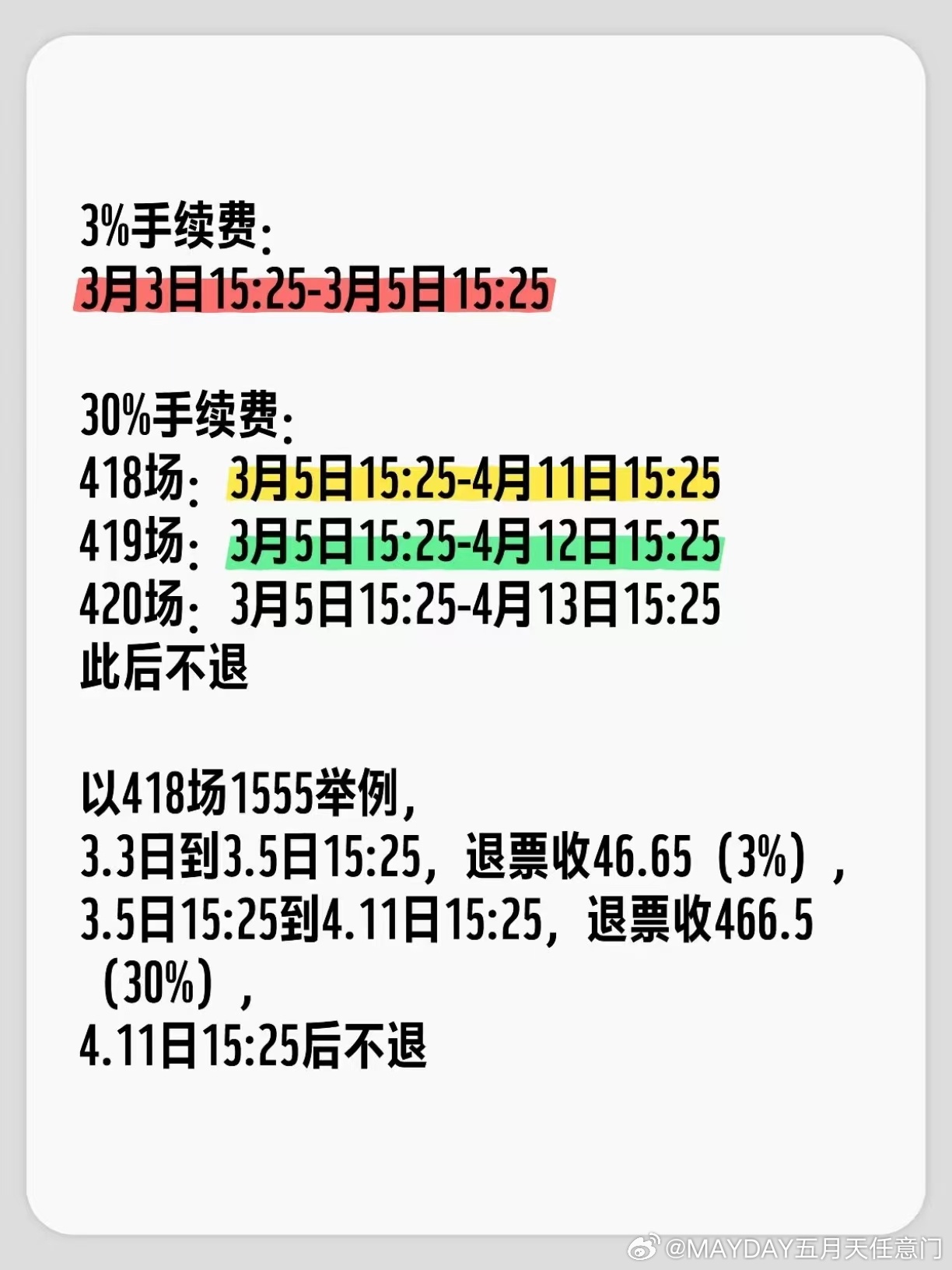
The case began when Li, a concert-goer, approached Wang, a ticket broker, for help in purchasing tickets to three separate concerts. Li promised to pay Wang a fee for his services, but after receiving the tickets, she refused to pay. Wang, who had incurred significant costs in obtaining the tickets, including a loss of 1,200 yuan on the third transaction, took Li to court. During the trial, the court found that the first ticket purchase had formed a legitimate contractual relationship between Li and Wang. However, the second and third transactions, which involved Wang using a third-party service to purchase the tickets at an inflated price and then reselling them to Li, were deemed to be in violation of the Public Security Administration Punishments Law.
The court's decision has sparked a heated debate about the legality of ticket resale and the rights of both buyers and sellers in such transactions. According to reports, Li had agreed to pay Wang a total of 18,000 yuan for the tickets, but only paid a fraction of the amount. Wang, who had purchased the tickets at a higher price, was left with significant losses. The court's ruling sent a clear message that illegal gains would not be protected, and that basic expenses must be reimbursed. The case serves as a cautionary tale for fans and ticket brokers alike, emphasizing the need to operate within the bounds of the law and to prioritize transparency and accountability in all transactions.
The incident has ignited a debate over ticket scalping, with many advocating for fans to buy tickets directly from authorized sellers to avoid supporting inflated prices. However, the reality is that many consumers do turn to scalpers due to the limited availability of tickets at face value. This leads to a situation where every marked-up ticket can become a legal headache for buyers, who face an uphill battle when seeking refunds or compensation. The conversation underscores the need for greater transparency and regulation within the ticketing industry to prevent such exploitation. The case highlights the importance of verifying the legitimacy of ticket purchase channels and keeping records of transactions, which can serve as evidence in disputes.
Ultimately, the court ordered Li to pay Wang 8,800 yuan, the total amount she owed for the three tickets. Regarding the third concert, where Wang suffered a loss of 1,200 yuan due to a ticket refund, the court determined that both parties were at fault. Consequently, Li was mandated to return 800 yuan to Wang for this particular incident. The ruling underscores the legal system's stance on contractual agreements and the consequences of fraudulent activities, particularly in the context of ticket scalping and consumer protection. The need for clearer regulations and greater scrutiny of the ticket scalping industry is evident, and this case serves as a reminder of the complexities and challenges faced by consumers and ticket brokers in the secondary ticket market.